5S Starts from the Ground Up: How Facility Floors Drive Safety and Efficiency
December 4, 2025
Extend the Life of Your Storage Silos: The Essential Guide to Coating and Maintenance
January 2, 2026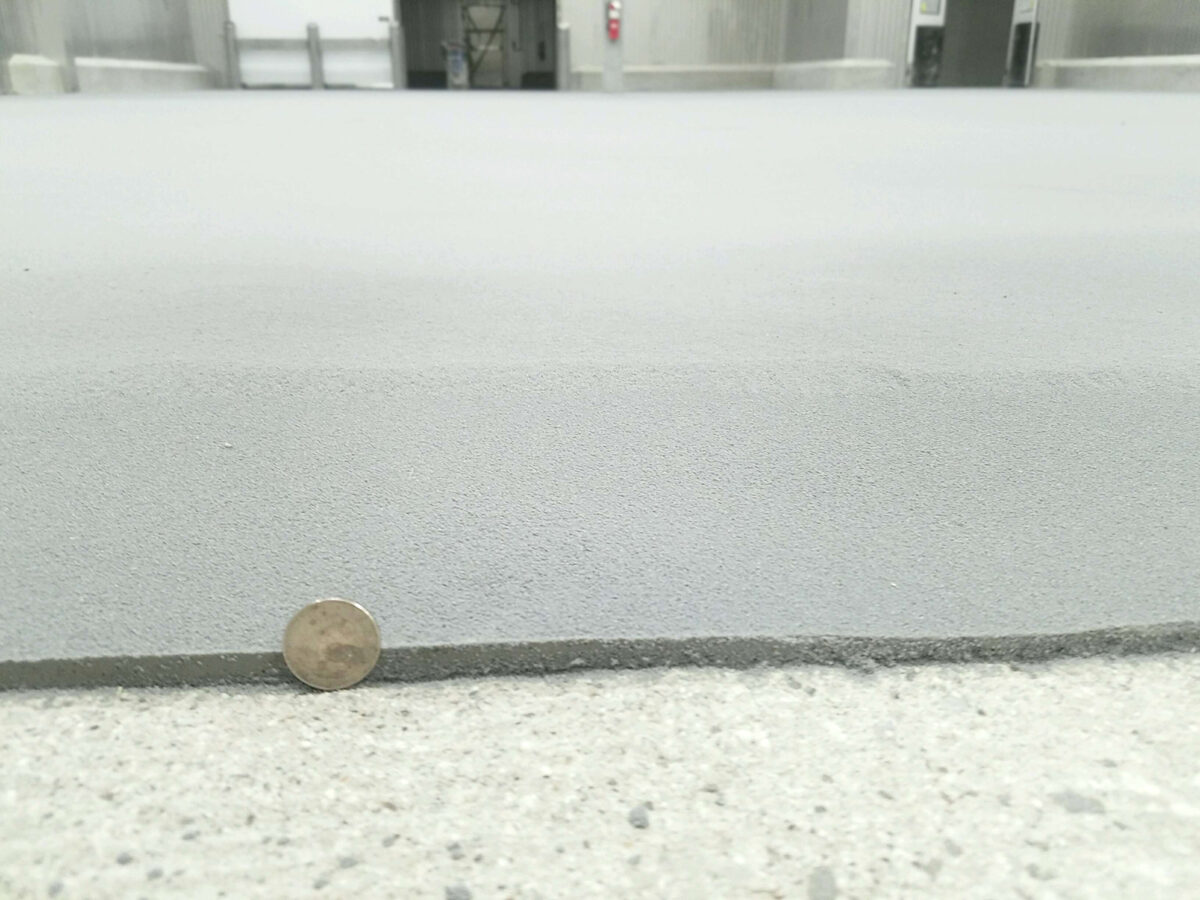
Urethane Cement Flooring vs Epoxy: What Industrial Facilities Need to Know
Is your facility’s floor costing you money, time, and productivity? Choosing the wrong flooring system can lead to costly downtime, safety concerns, and repairs. If you operate in a manufacturing plant or distribution center, the decision between urethane cement flooring vs epoxy will significantly impact your operations.
How to Choose the Right Flooring
Industrial flooring decisions don’t typically inspire feelings of excitement. They usually inspire many questions. How long will this last? How much downtime will it cause? Will it hold up to our operation six months from now or six years from now?
That’s why the conversation around Urethane Cement Flooring vs Epoxy keeps coming up. When discussing spaces such as manufacturing plants, processing facilities, and industrial areas, both systems have proven results. Both are widely used. And both can be excellent when applied in the right environment.
At MSC Floors, we spend a lot of time having these conversations with facility managers, engineers, and operations teams across Michigan, Ohio, and Indiana. Our role isn’t to sell or install one system over another. It’s to help teams understand what they’re actually deciding on and why. This is so that they can make the most informed decision for themselves based on their needs. Let’s break it down.
Epoxy Flooring Is the Workhorse of Industrial Floors
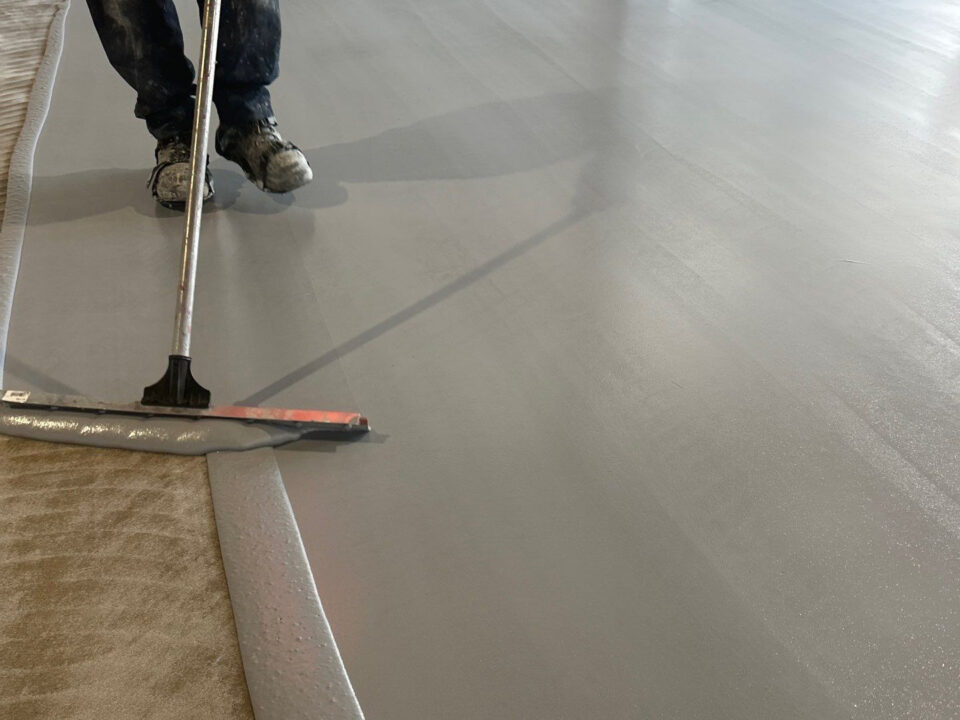
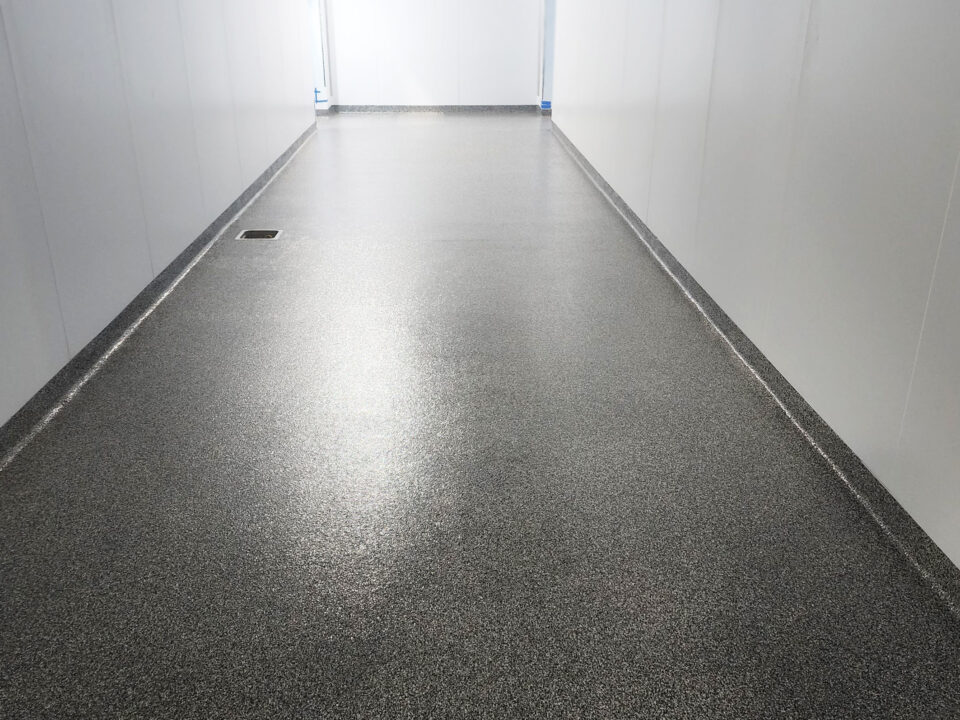
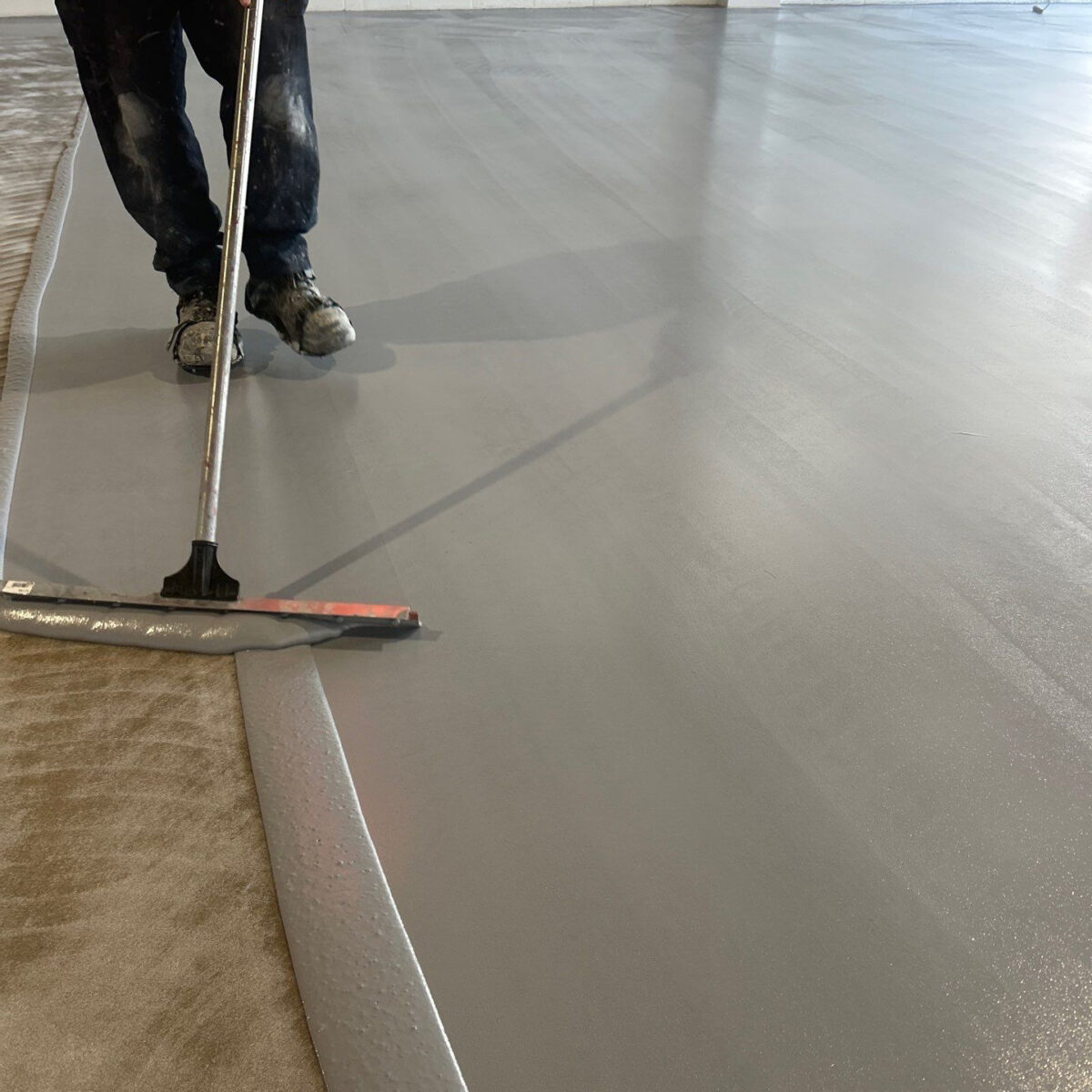
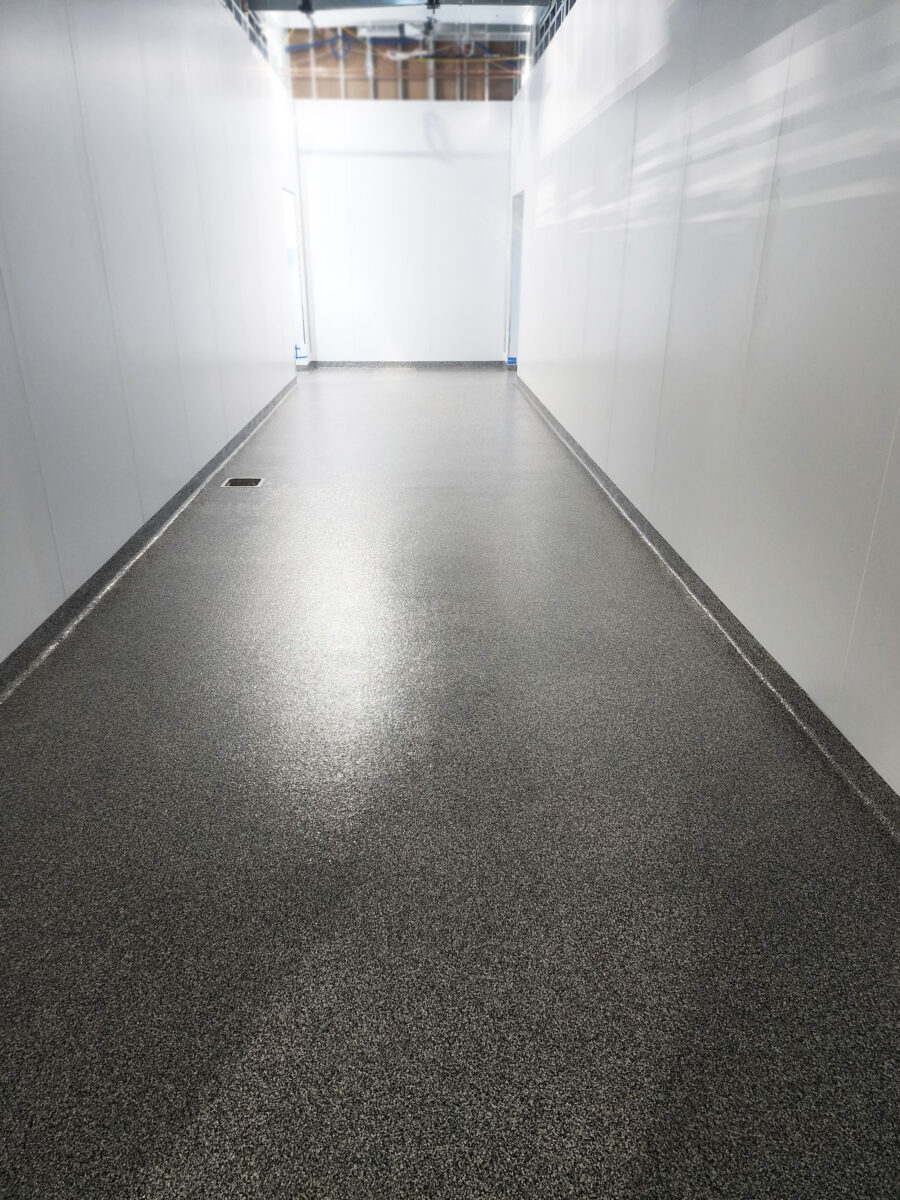
Epoxy-coated flooring has earned a reputation as a go-to solution in industrial environments for decades. When installed correctly over properly prepared concrete, epoxy creates a seamless, durable surface that resists daily wear and tear. Epoxy performs exceptionally well in:
- Manufacturing and assembly facilities
- Warehouses and distribution centers
- Automotive and industrial production spaces
When prioritizing practicality and efficiency, epoxy flooring delivers strength and resistance with a smooth finish that’s easy to keep looking good. It’s a very stable surface layer. It also reflects light well, which can make large industrial spaces feel brighter and more controlled, which is a small detail but does actually make a difference on the production floor.
Urethane Cement Flooring Is Built for Tougher Conditions
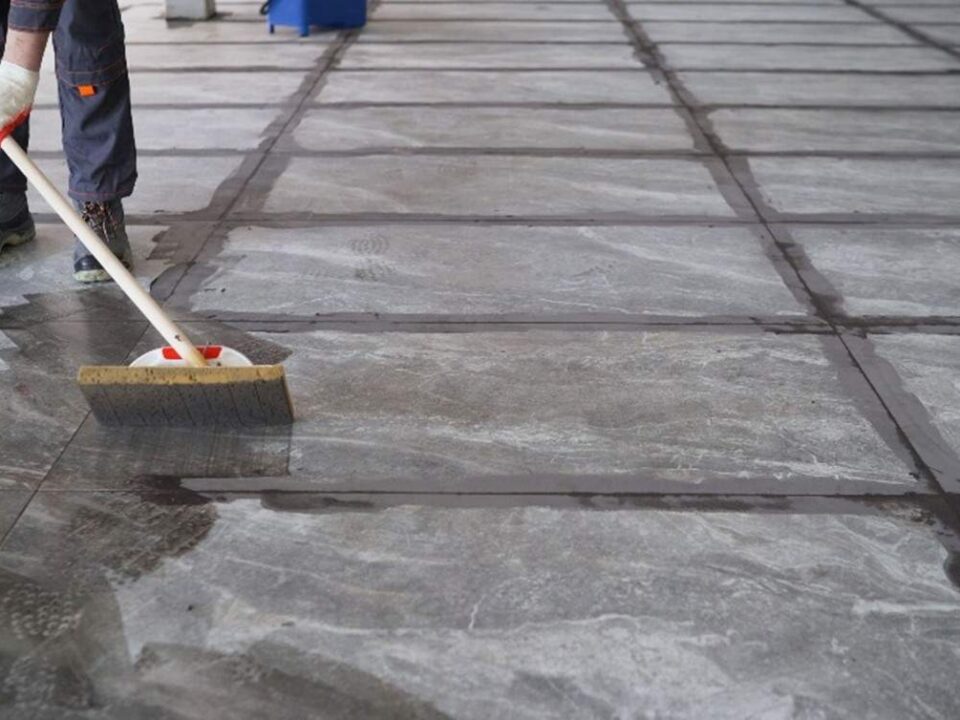
Urethane cement flooring steps in when conditions get less forgiving. This system combines urethane resins with cement, creating a dense surface that’s designed to take a beating and keep going. Facilities typically lean toward urethane cement flooring when they deal with:
- Rapid temperature changes
- Hot water or steam cleaning
- Heavy equipment and frequent impact
- Continuous moisture or chemical exposure
One of the biggest positive features of urethane cement flooring is its behavior under stress. It expands and contracts at a rate very similar to concrete, which helps it stay bonded even when temperatures swing up or down.
Urethane Cement Flooring vs Epoxy
Epoxy flooring surface often outperforms other options in terms of versatility and efficiency. It’s a reliable solution for facilities operating in stable conditions that want a durable, professional flooring system without over-engineering the space.
Urethane cement stands out as the system built for extremes. It’s not always necessary, but when it is, it tends to outperform alternatives over the long haul.
Where the Differences Really Matter
When comparing urethane cement flooring vs epoxy, it is important to know that the real differences show up in day-to-day performance. These systems may look similar at first glance, but they respond very differently once they’re exposed to temperature changes and the pace of an active industrial operation. The breakdown below focuses on the areas that tend to matter most on the production floor:
Temperature and Thermal Shock
Urethane cement flooring handles temperature shock with ease. Hot washdowns and sudden temperature changes don’t compromise the flooring’s integrity. Epoxy flooring holds up well in controlled environments but can struggle when temperature swings become part of daily operations.
Impact and Abuse
Both systems can handle heavy traffic, but urethane cement flooring absorbs impact better. Facilities with heavy machinery or dropped tools often benefit from materials like this. Epoxy remains a strong performer for forklifts and continuous heavy traffic.
Chemical Resistance
Urethane cement flooring resists aggressive chemicals and cleaning techniques. Epoxy flooring still offers excellent chemical resistance and can be customized for specific exposures, making it a solid option in many industrial settings.
Downtime and Installation
Urethane cement flooring often allows faster return to service, which matters in facilities where downtime costs real money. Epoxy systems can require longer cure times, depending on thickness and environmental conditions.
Cost and Long-Term Value
Epoxy flooring usually comes with a lower upfront investment. Urethane cement flooring costs more initially but can deliver longer service life in demanding environments. In the Urethane Cement Flooring vs Epoxy decision, it’s less about price tags and more about lifecycle performance.
The MSC Floors Advantage
Deciding on the right floor system is a small part of the equation. The MSC Experience is what puts us ahead of our competitors. With more than two decades of safety-focused installations and highly trained professionals, we meticulously tackle every project. Here’s how we stand apart:
- Highly Trained Teams – We invest heavily in employee training so crews understand materials, environmental conditions, and project sequencing, ensuring predictable quality every time.
- Clean, Organized Job Sites – All projects are executed with safety and cleanliness as priorities, reflecting respect for your facility and workforce.
- Structured Project Management – From pre-installation assessment to final inspection, our team ensures every step is documented.
- Support Staff That Delivers – Behind the scenes, support personnel coordinate logistics, scheduling, and customer communication so your experience is seamless.
Choosing the Right System Starts With Asking the Right Questions
The most optimal flooring decisions don’t start with considering materials. They start with operations. How does your facility actually run? What stresses does the floor see daily? Where do failures tend to happen? These are the questions that need to be answered to begin making a decision. At MSC Floors, we look at:
- Substrate condition and moisture levels
- Traffic patterns and equipment loads
- Environmental exposure
- Maintenance routines
- Long-term operational goals
Making the Right Choice
Contact MSC Floors today for an expert assessment customized to your facility’s needs. Your operation deserves the textbook solution, and that starts with a click or call now. Get started before unexpected downtime costs more than an upgrade ever could.