
Industrial Floor FAQs for Michigan, Ohio, or Indiana Companies
If you're an Facilities Maintenance Manager needing new or repaired flooring for your operation, MSC Floors will get the job done right. We've compiled a list of FAQs for epoxy and urethane cement industrial floors. Please read on to get your most pressing questions about concrete coating and installations answered.
What is Epoxy Coating, and What is It Made From?
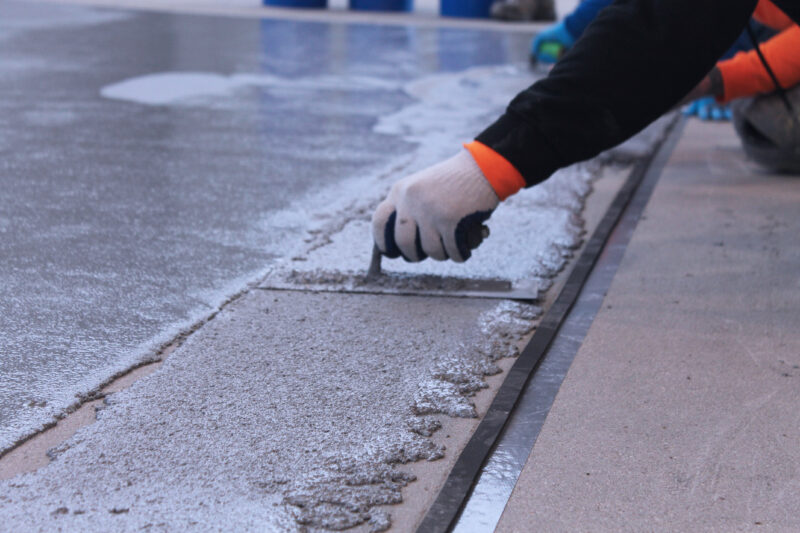
Though there are different types of epoxy floor coatings, they are all made from a mixture of resin and hardening agents. Once hardened, it makes surfaces smoother and balanced and provides added protection to flooring. It can be applied to make floors waterproof, stain-resistant, or slip-resistant, or it can improve its overall durability and function.
What are the Benefits of Epoxy Industrial Floors?
Epoxy is a popular flooring solution for many facility maintenance managers and general managers because of the following benefits it provides:
- Cost-Effectiveness: Epoxy is often offered at fantastic prices and can last and function like any other option.
- Easy Maintenance: Because of its smooth, often glossy textured surface, epoxy is easy to sweep and mop and doesn't need to be polished or sanded.
- Stain and Spill Resistant: If you spill harsh chemicals, or there's moisture buildup, your epoxy won't stain or fade when cleaned up quickly.
- Slip Resistant: Though its finish is clean and glossy, epoxy can be customized to desired slip-resistance, maintaining safety and security for anyone on it.
- Style Customizations: Choose your preferred colors and patterns and bring your new flooring to life. Decorative Flake or Colored Quartz can provide customized looks, offering texture and style. Epoxy can look terrific in any room or space.
Where Can You Install Epoxy?
Since it is flexible and customizable, epoxy can be installed in virtually any space. It is usually found in industrial settings where heavy-duty and high-impact work occurs. Due to the amount of variables in a given facility, many types of epoxy are available. Contact us for an engineered floor system, based on your usage.
Can I Do a DIY Epoxy Installation?
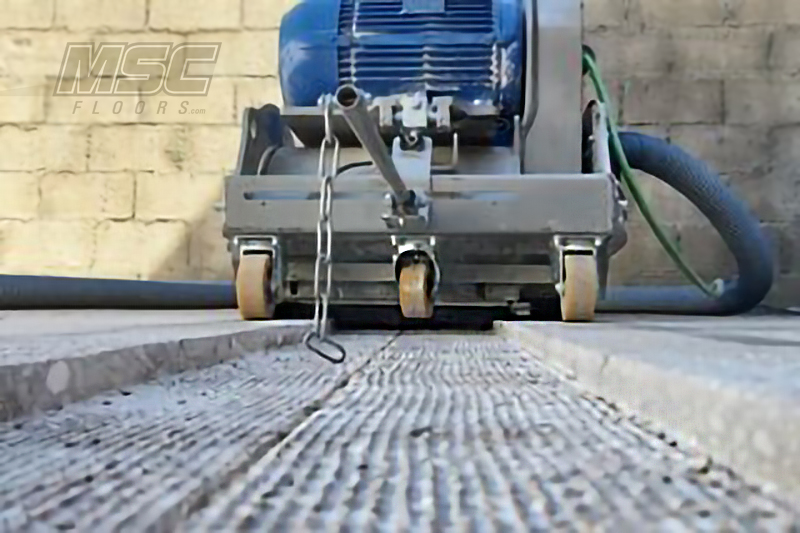
Though doing your epoxy installation yourself is tempting, we recommend leaving it to the professionals. Applying epoxy flooring comprises many steps, including concrete preparation. If any mistakes occur, your epoxy could get ruined completely. They can also set back your project timeline and cost you more money. Since the preparation stage is the most important part of the process, we recommend hiring a professional company with Industrial Prep Equipment to get the job done. Equipment such as 480-V Planetary Grinders equipped with Hepa Vacs, Shotblasters and Scarifiers. Prepping concrete can be dangerous too, as grinding concrete can release silica dust into the air.
How Do I Need to Prepare My Floors for an Epoxy Installation?
Before installation begins, it's crucial to remove any possible existing epoxy or finish. We will first complete these tasks before proceeding with the rest of the project. Concrete repair is also a crucial step that may require fixing joints, cracks, pits, gouges, and other forms of damage. Once the repairs are complete, we may use leveling technology to smooth your concrete. Finally, we will clean your concrete so the installation can begin.
What is Epoxy Flooring’s Lifespan?
Lots of different answers for this one. Common epoxy systems, like a shop floor epoxy that consists of a primer coat, body coat and urethane topcoat are considered thin-mil. This means the total system is generally around 25-30 mils thick. If the thin-mil epoxy floor is installed correctly and receives routine and preventative maintenance, you can expect it to last a long time, average about 5 to 7 years. However, the lifespan may depend on the type of work environment you're in and how harsh it is. Mortar flooring, such as epoxy mortar or even urethane mortar is much thicker, and can climb upwards to 3/16" of an inch to 1/4" thick. Epoxy Mortar Systems for heavy-duty industrial environments can last up to 10 years plus. Most instances of mortar flooring outlast the building themselves. Longevity is very much traffic dependent. So for example, an Office building environment with low or light foot traffic may maintain their thin-mil epoxy between 15 to 30 years, as long as they ensure it is maintained properly, whereas that same system won't last nearly as long in a machine shop with hi-lo traffic and pallets being dragged over it.
What is Your Epoxy Installation Time?
Installation times depend on many factors, including the size of the application area and the type of business or industry. On average, the installation process takes a two days to a week to complete, from prepping to curing. We have the materials and manpower to accommodate any business's downtime. For example, if a company cannot shut down an area for longer than a few days, we will work double shifts and use fast-curing materials to make sure the job is completed without impacting business. We will also consider your current floor's condition and size to determine your project's length.
What are the Floor Coatings You Provide?
We also offer the following flooring solutions:
- Epoxy Mortar and Urethane Cement Flooring: Epoxy Mortar and Urethane cement is an exceptionally durable flooring system for heavy-duty and industrial working environments. It has advanced chemical resistance and can resist the most intense impacts and abrasions. These qualities ensure a longer lifespan and reduce the amount of maintenance required. Epoxy Mortar is often used in the harsh environments of production floors, while Urethane Cement if often used in the Food & Beverage production industry due to it's ability to withstand intense heat and constant cleaning.
- ESD Epoxy Flooring: ESD flooring is an epoxy flooring system consisting of a specialized non-conducting urethane topcoat, which prohibits a transfer of static electricity to those walking on it. It ensures computer parts such as microchips and circuitry don't get damaged.
- Vinyl-Ester Flooring: Vinyl Ester flooring is a highly chemical resistant coating used in facilities that use highly corrosive materials. The vinyl ester coatings withstand acids and long-term spillages more than any other coating type.
- Decorative Epoxy Flooring: Besides traditional epoxy, we also provide decorative styles to fit your facility's aesthetics. Decorative epoxy offers near-endless opportunities for creative designs and layouts. With it, you can merge durability with your company's brand and design elements, such as colors and patterns, completing your flooring's function and appearance.
Do You Provide Other Industrial Flooring Products and Services?
Yes, we do. In addition to floor coatings, we also provide polished concrete services. These services involve restoring the concrete through leveling and polishing it, providing renewed strength and gloss. Also, Terrazzo Restoration services, where we can refresh old existing terrazzo with our state of the art equipment. We also partner with an Industrial Painting company to provide a turnkey coatings company from floor to wall, even exterior walls and tanks. We also provide OSHA safety striping to ensure industrial floors stay compliant. If you want to learn more about our services and what we can provide your facility, please contact us. The team at Michigan Specialty Services will happily answer any questions you have and help you find the right solution for your needs.