Best Industrial Floor Coatings for Manufacturing Plants
February 11, 2026
How the Right Industrial Flooring Ensures OSHA Compliance
March 2, 2026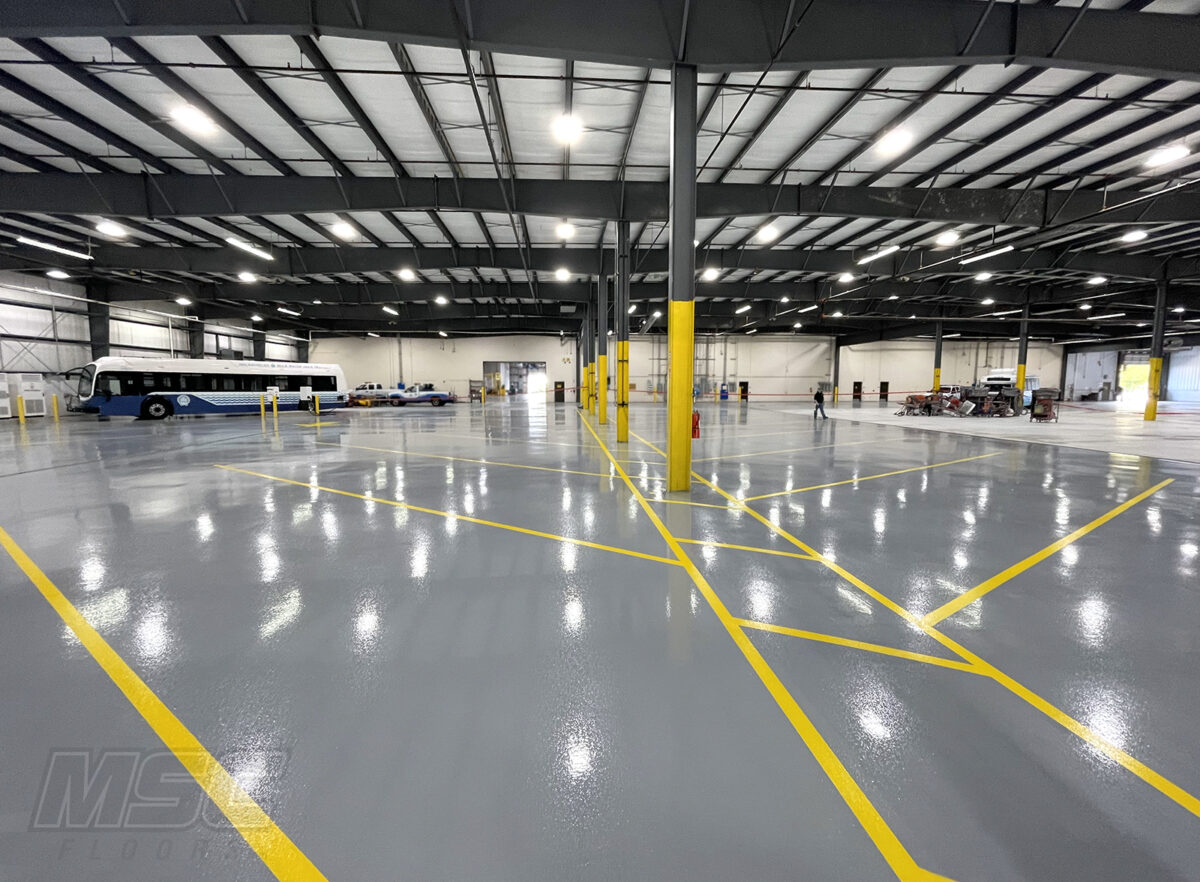
Epoxy floors are a long-term investment in your facility’s safety, performance, and appearance. When properly installed and maintained, epoxy flooring delivers years of dependable service under demanding conditions. Still, longevity depends on more than the material alone. Learn what influences the lifespan of epoxy and other floor coatings to help you prolong the life of your investment.
What Is Epoxy Flooring?
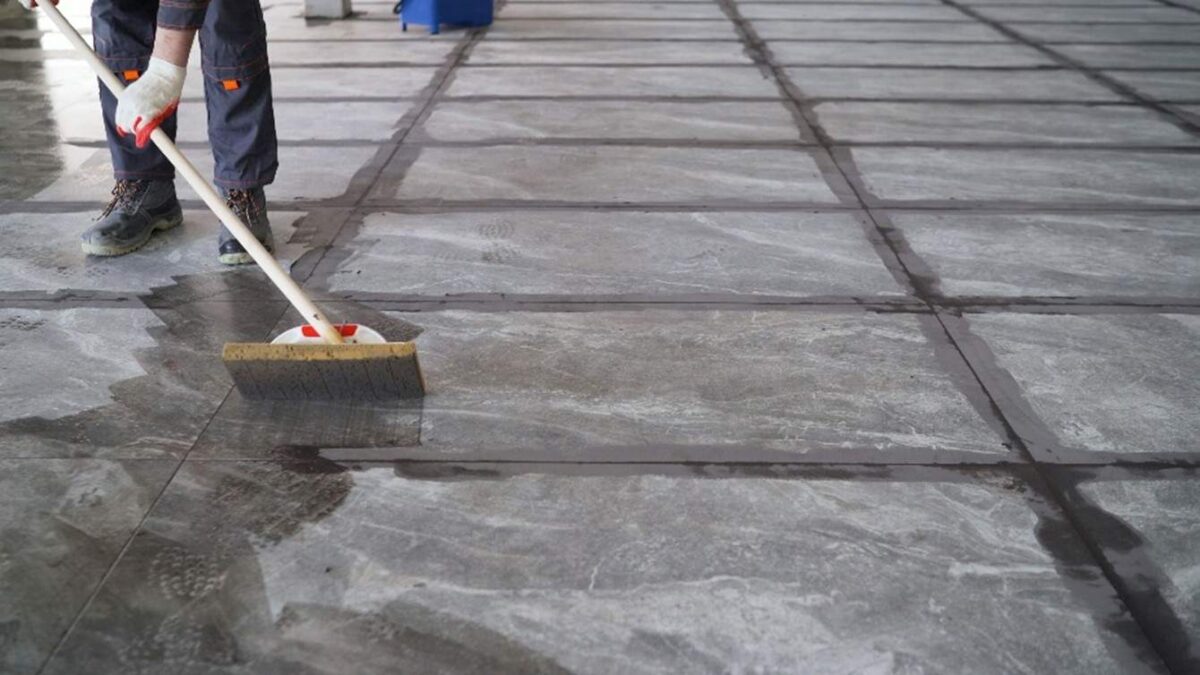
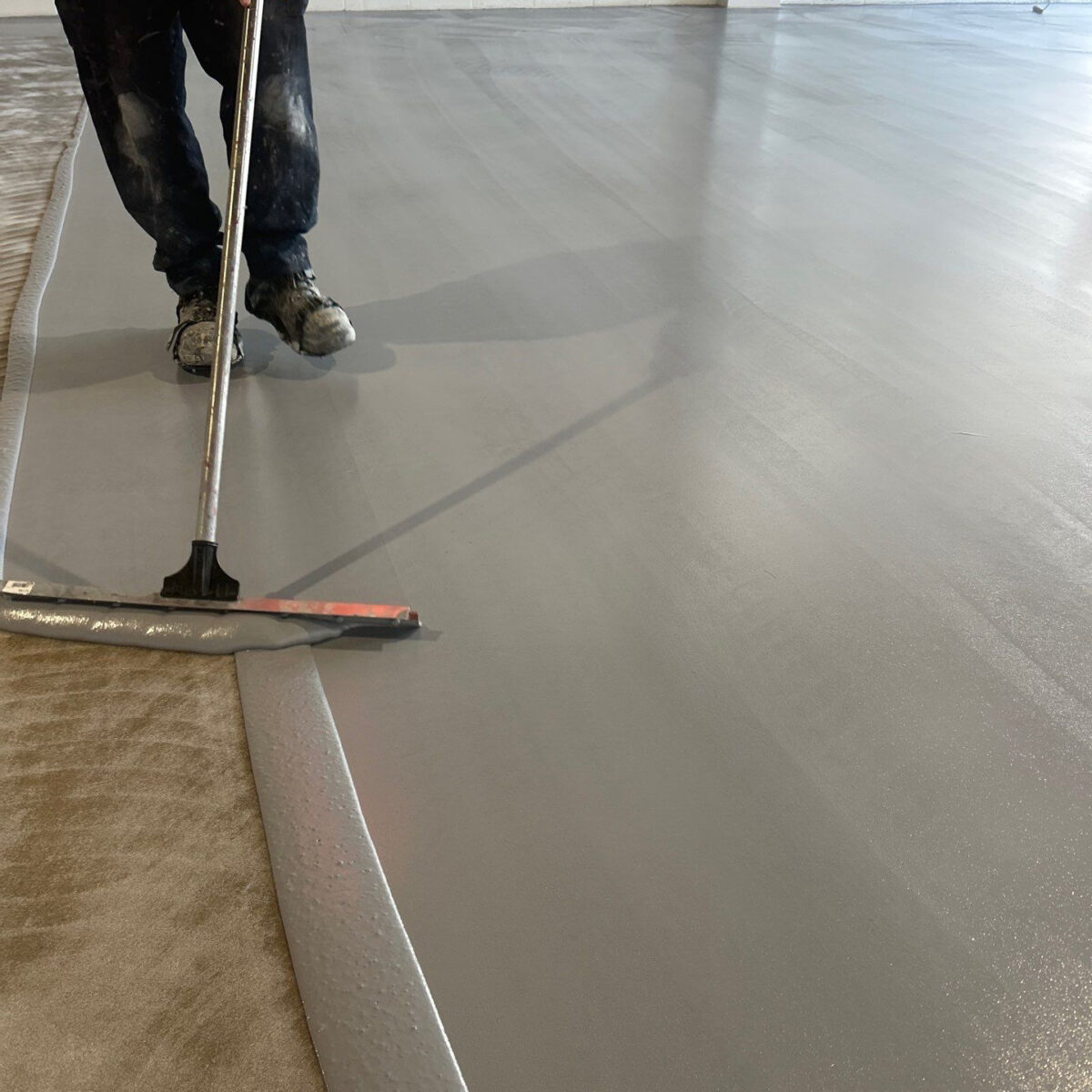
Epoxy flooring is a high-performance surface system created by combining resin and hardener to form a rigid plastic material that adheres to prepared concrete. Once cured, the epoxy floor coating integrates with the concrete slab, reinforcing the surface while creating a smooth, durable layer that resists chemicals, abrasion, and impact.
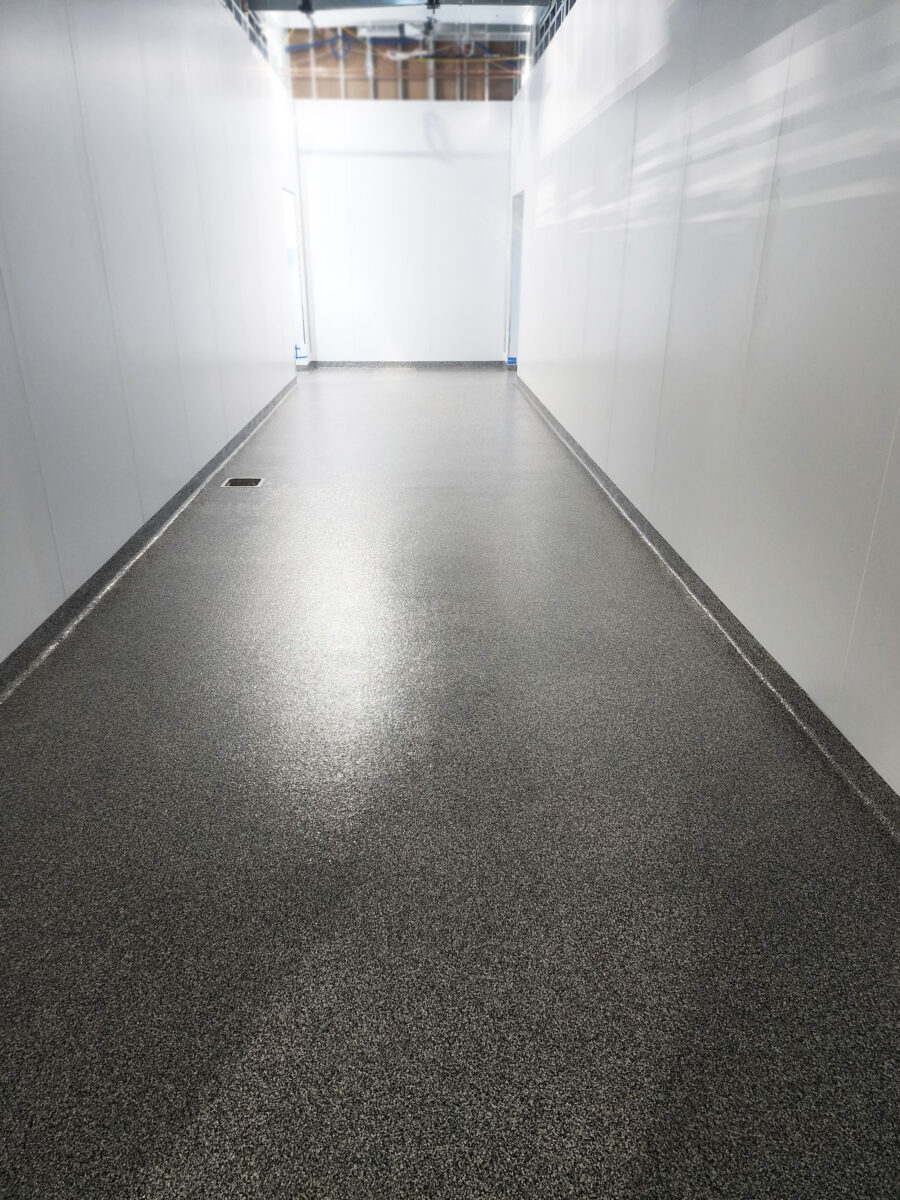
Commercial epoxy flooring is engineered for demanding environments such as manufacturing plants, warehouses, food processing facilities, and distribution centers. The coating can be installed in varying thicknesses, with options for slip resistance, static control, decorative finishes, and enhanced chemical protection.
Average Lifespan of Epoxy Floors
The average lifespan of epoxy flooring in commercial and industrial settings is 10 to 20 years. In lighter-duty commercial spaces, the lifespan may extend longer than this. Meanwhile, settings with heavy forklift traffic, chemical exposure, and thermal cycling may fall on the lower end of the spectrum.
Factors That Affect How Long an Epoxy Floor Lasts
Several elements influence how long you can expect epoxy flooring to last:
- Surface preparation: Proper mechanical preparation of the concrete substrate involves grinding or shot blasting. These steps remove contaminants and open the concrete pores to promote strong adhesion.
- Installation thickness: High-build or multi-layer epoxy flooring provides greater impact and abrasion resistance than thin roll-on applications.
- Environmental conditions: Constant vehicle traffic, repeated chemical exposure, fluctuating temperatures, and high moisture content all decrease the lifespan of epoxy flooring. To prevent premature damage, seek a properly specified system designed for your facility’s conditions.
- Maintenance practices: Regular cleaning and prompt repairs prevent minor damage from spreading. When you treat your epoxy flooring as a long-term asset, you position your facility for a high return on investment.
Signs Your Epoxy Floor Needs Repair or Replacement
Even the most durable commercial epoxy floor will eventually show signs of wear. Here’s what to fix before it causes safety risks or permanent structural damage:
- Peeling or delamination: When parts of the coating lift or peel away from the concrete, it means the bond has failed. Localized issues can often be repaired, while widespread peeling usually requires full replacement.
- Cracks in the coating: A cracked surface indicates that the concrete underneath has shifted or the floor has taken a hard hit. The good news is that small cracks can usually be repaired if you act fast enough.
- Discoloration: Fading or stains indicate chemical or UV exposure. Discoloration by itself doesn’t always mean the floor needs to be replaced, but it’s worth examining to determine whether the coating is still performing as expected.
- Surface pitting or gouging: Repeated impact or abrasive traffic can create rough areas that compromise safety and make the floor harder to clean.
- Slippery surfaces: Loss of texture or worn aggregate reduces slip resistance. Addressing this early reduces safety risks for employees and equipment.
How to Extend the Lifespan of Your Epoxy Floor
Proactive maintenance and operational planning directly affect how long your epoxy floors will last. These steps support long-term performance and reduce downtime for repairs:
- Implement routine cleaning: Sweeping and mopping remove abrasive debris and chemical residues that accelerate wear. Use neutral pH cleaners designed for epoxy flooring to preserve the finish.
- Address spills immediately: Cleaning up spills right away prevents chemicals from leaving stains or softening the coating.
- Protect high-traffic areas: Lay down protective floor mats or fortify the topcoat in loading zones to take the pressure off the main epoxy system.
- Inspect regularly: Regular inspections catch small issues early. If you find an issue, repair it promptly to keep moisture out and prevent further damage.
- Maintain proper joint care: Expansion joints and control joints must be properly sealed to remain in good condition. If joint fillers crack, separate, or wear down, repair them as soon as possible.
- Schedule professional evaluations: A qualified contractor can assess wear patterns and recommend maintenance coatings to delay replacement.
Epoxy vs. Other Floor Coating Lifespans
Every floor coating system has an anticipated lifespan, and that lifespan depends heavily on how the material matches the application. Commercial epoxy flooring typically lasts 10 to 20 years in industrial settings, but it’s not the only option available. Here’s how it compares to other common systems:
- Polyurethane coatings last 12 to 20 years and provide greater flexibility and abrasion resistance than epoxy.
- Urethane coatings are extremely durable, lasting up to 25 years in some of the harshest industrial settings.
- Polyaspartic coatings go on thinner, so expect them to last five to 15 years if exposed to heavy vehicle traffic. However, these systems tend to outlast epoxy coating in extreme temperatures and outdoor settings.
- Acrylic sealers usually last one to three years in commercial environments. Reserve this floor treatment option for light-duty spaces with minimal traffic.
- Concrete paint should be reapplied every one to three years. It offers minimal durability and is not suitable for industrial conditions.
Cost vs. Longevity: Is Epoxy Worth It?
The initial installation cost for epoxy flooring is higher than paint or sealers, but often lower than polyaspartic or urethane coatings. However, evaluating the upfront price without considering lifetime costs is misleading.
A properly installed epoxy floor coating that lasts 15 years is more cost-effective than replacing a lower-cost system every two years. If the environments within your facility favor urethane or polyaspartic systems, certainly consider those instead. But for general-purpose indoor applications, epoxy flooring offers a strong balance of cost and durability for high long-term value.
Choose a Long-Lasting Floor Coating
A well-designed floor coating system protects your concrete and enhances your facility’s professional image for many years. MSC Floors can help you select the right product and install it with care and precision for the longest possible lifespan. If you’re planning a new installation or evaluating the condition of your existing commercial epoxy flooring, please contact us today for a free site survey in Michigan, Ohio, or Northern Indiana.