The Impact of Weather on Industrial Flooring
July 6, 2026
Flooring Maintenance Strategies for Facility Owners
You expect a lot from your industrial flooring. Forklift traffic, pallet movement, and constant pressure from heavy equipment all take a toll on the surface. Dust, chemicals, moisture, and temperature changes add even more stress. Without a clear industrial floor maintenance plan, the surface gradually deteriorates until it begins to interfere with your operations.
Facility leaders who take floor maintenance seriously support safe movement through the building, keep production areas cleaner, and prevent premature flooring replacement. Learn what systems and routines help your facility floors perform reliably for years.
Understand Wear Patterns in High-Traffic Environments
Recognizing where damage is most likely to occur helps guide your floor maintenance strategy. Consider mapping the following patterns across your facility for valuable insight into where cleaning, inspections, and protective maintenance should happen most often:
- Primary forklift lanes: High-traffic areas typically deteriorate the fastest. Forklift wheels grind debris into the surface, and ruts may form along established travel paths. Eventually, the coating may wear away and expose the concrete beneath.
- Turning zones: Rotating tires create concentrated wear points in areas where equipment changes direction. The increased friction around corners may eventually lead to cracking, surface abrasion, or delamination.
- Loading docks and staging areas: Dropped pallets, dragged materials, and constant traffic can chip or scratch the protective floor coating.
- Chemical handling spaces: Areas where oils, solvents, or cleaning agents are stored or handled face a different type of stress. Many industrial coatings resist chemical exposure, but repeated spills or residue buildup can still weaken the surface if not cleaned promptly.
- Storage areas: Less traffic may pass through storage rooms, but the floors still experience static loads from racking systems or heavy machinery. These areas may develop compression damage or surface indentation rather than the abrasion found in traffic lanes.
Once these zones are documented, you can target your maintenance efforts accordingly. High-impact sections or areas prone to chemical spills may require more frequent inspections and cleaning cycles, while less active rooms may only need periodic checks.
Develop Cleaning Protocols
Cleaning is the foundation of effective floor maintenance. Dust, grit, and chemical residue may seem harmless, but they can pose safety hazards and prematurely damage coatings. A well-designed cleaning program involves the right equipment and procedures for different contaminants.
- Dust and grit control: Dust, sand, metal shavings, and pallet fragments accumulate quickly in manufacturing and warehouse environments. These small particles act like sandpaper under forklift tires, gradually wearing down the floor surface. Remove debris with mechanical sweepers before it damages the coating.
- Managing chemical spills: Chemical exposure is common in many industrial settings. Oils, solvents, and cleaning agents can weaken the floor coating if they sit too long. Address spills immediately using appropriate absorbents and cleaning solutions designed for your coating system.
- Scheduled deep cleaning: Routine sweeping manages surface debris, and prompt cleanup removes chemical spills, but deep cleaning is still necessary. Periodic scrubbing with a floor maintenance machine removes embedded grime and built-up residue to restore the coating’s protective qualities.
- Debris control at entrances: Workers and vehicles often track debris inside through loading docks and exterior doors. Entry mats or other debris-control measures catch most contaminants before they spread across the floor.
Follow Floor Inspection Checklists
Regular inspections make it easier to spot early signs of wear before they grow into expensive repairs. A structured checklist keeps your flooring inspections consistent and ensures nothing important gets overlooked. While your specific checklist may vary depending on the type of facility you manage, these weekly and monthly routines serve as a good starting point.
Weekly Inspection Checklist
Weekly checks should focus on visible surface conditions in active work areas:
- Examine forklift lanes and turning points for thinning or rough patches.
- Look for dust or grit buildup, which indicates insufficient cleaning.
- Identify chemical stains that suggest crews didn’t act fast enough after a spill.
- Check for standing water that may suggest vapor transmission, humidity issues, or poor drainage.
- Inspect loading zones for chips or gouges caused by dropped materials.
- Confirm that floor striping and safety markings remain clearly visible.
Monthly Inspection Checklist
Monthly inspections take a more detailed look at the structural condition of the flooring system:
- Check for cracks forming in the concrete or coating layer.
- Look for signs of delamination, such as bubbling, peeling, or blistering.
- Inspect expansion joints for deterioration or separation.
- Monitor changes in surface finish. A glossy coating that begins to look dull may indicate that traffic and abrasion are wearing down the protective layer.
Document your weekly and monthly inspection results to track patterns and determine whether wear is stable or worsening. Taking a data-driven approach supports better industrial floor maintenance decisions and helps prevent unexpected coating failures.
Renew the Topcoat
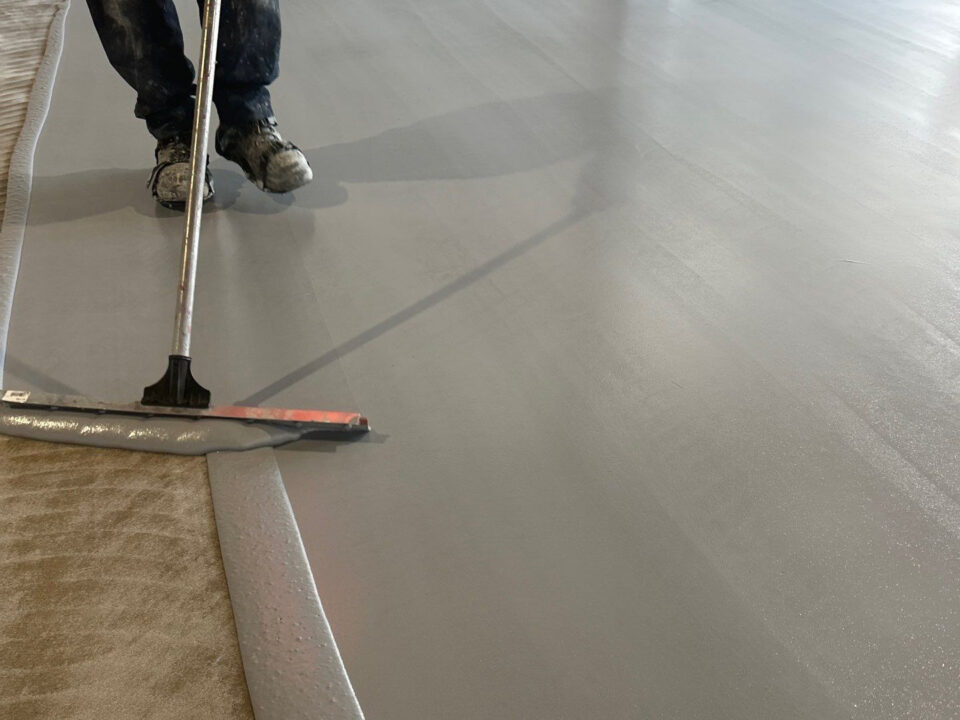
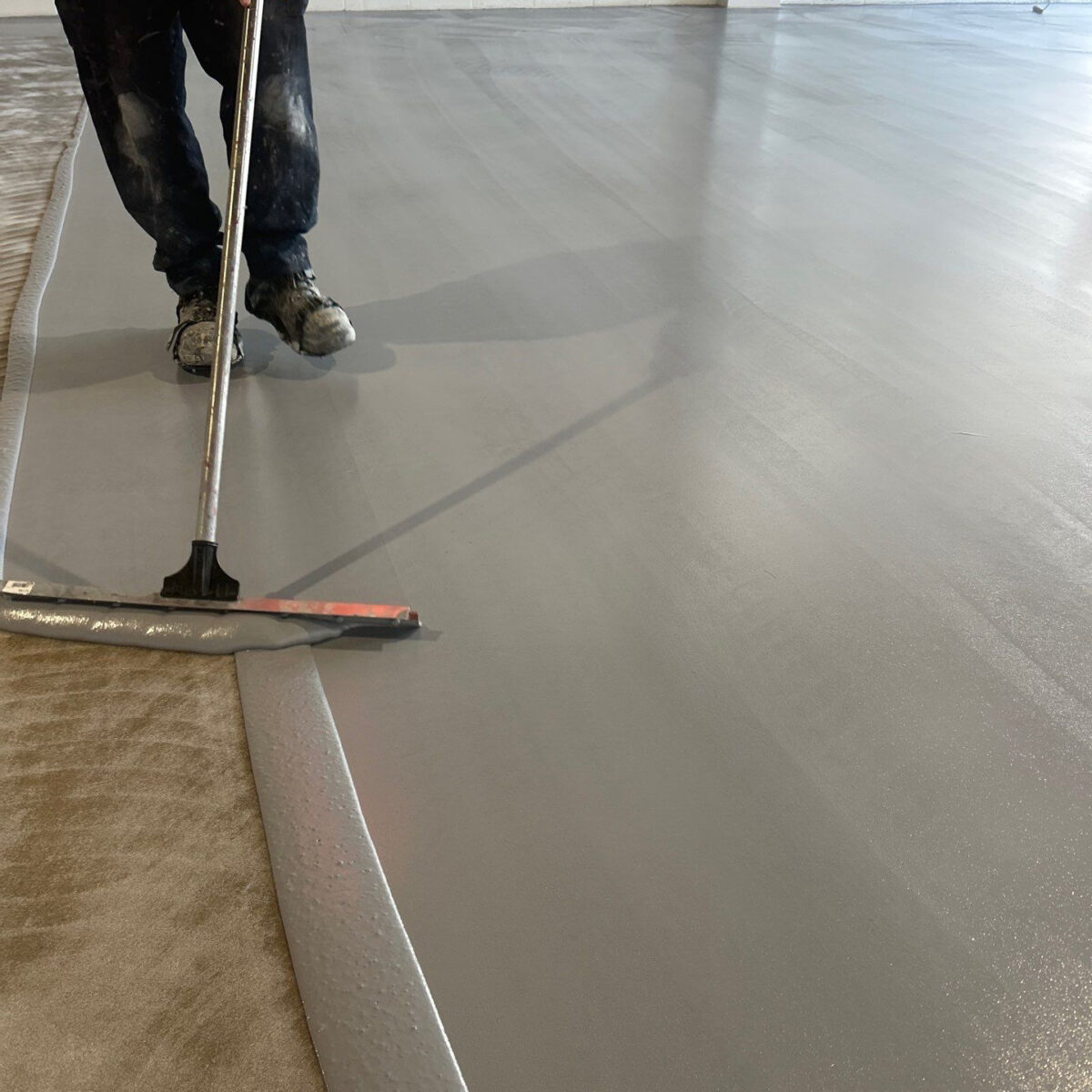
Even the most durable floor coatings gradually wear down. Instead of replacing the entire floor system, it’s often possible to extend its lifespan by applying a fresh protective topcoat. This process restores the surface layer and preserves the performance of the original installation. Applying a new topcoat is typically faster and less disruptive than a full floor replacement.
Topcoat renewal may be a viable option in the following situations:
- The coating shows visible wear but remains firmly bonded to the slab.
- Forklift lanes appear dull or rutted.
- Mild surface staining is present but not deeply embedded.
- Minor scratches and abrasions have accumulated in high-impact areas.
When combined with regular inspections and cleaning protocols, periodically renewing the topcoat is among the most effective flooring maintenance strategies out there.
Common Floor Maintenance Mistakes to Avoid
Facility managers may inadvertently shorten their flooring system’s lifespan with a few common mistakes. Avoid these pitfalls to prevent unnecessary damage to your industrial floors:
- Using the wrong cleaning equipment: Some scrubbers, brushes, or cleaning chemicals degrade certain industrial coatings. When in doubt, ask your flooring contractor what equipment and solutions you should use.
- Allowing debris to accumulate in forklift lanes: Forklift tires compress debris into the floor with every pass. Neglecting to sweep frequently may allow this abrasive material to gradually erode the surface.
- Ignoring small cracks or surface damage: Hairline cracks may appear harmless, but they’re likely to expand under heavy loads. Once you spot a crack, schedule a repair quickly before it spreads across the floor.
- Overlooking staff training: Every employee needs clear guidance. Those who operate cleaning equipment or respond to spills should understand the procedures involved. Everyone else should know they’re expected to report spills or damaged areas when they run across them.
- Skipping documentation: Maintenance records track floor performance and identify recurring problems. Without consistent documentation, you may miss patterns that point to developing issues.
- Delaying maintenance: Waiting until floor coatings fail completely is not cost-effective. Avoid large repairs and extend the life of your floor system with scheduled inspections and topcoat reapplication.
Protect Your Facility with Expert Floor Solutions
Industrial floor maintenance requires thoughtful planning and consistent follow-through. When the time comes for your next inspection, topcoat refresh, or flooring replacement, turn to MSC Floors. We have spent over two decades helping industrial facilities strengthen and protect their concrete surfaces. Our in-house installers, OSHA-trained crews, and friendly project managers deliver flooring systems that support workplace safety, sanitation, and long-term performance. Contact us today to request a free site survey for your facility in Michigan, Ohio, or Northern Indiana.
FAQs
How often should I have my industrial floors professionally evaluated?
Many facilities benefit from a professional evaluation every one to two years. Our flooring specialists can assess coating thickness, surface wear, and underlying concrete conditions that routine in-house checks may overlook.
What is the best equipment for cleaning industrial floors?
The ideal equipment depends on the environment and flooring system. Many facilities rely on floor maintenance machines, such as industrial sweepers or automatic scrubbers, to remove debris efficiently without risking damage to the surface coating.
How do I know whether my floor needs spot repairs or full recoating?
Spot repairs are appropriate when chips, cracks, or other damage are in a small, isolated area. Full recoating may be necessary if wear is evident across large sections of the floor or if the concrete substrate is visible. We can evaluate the surface and recommend the most practical solution.
How can I reduce floor damage from forklift traffic?
Maintaining clean travel lanes, sweeping to remove abrasive debris, and inspecting high-traffic areas regularly are all ways to reduce abrasion from forklift tires. Investing in a protective coating designed for heavy traffic also improves long-term durability.
How long do industrial floor coatings last?
Longevity depends on traffic levels, cleaning and care practices, and the type of coating installed. Many high-quality systems perform well for decades when supported by proper industrial floor maintenance.