
The Role of Industrial Flooring in Sustainable Manufacturing
June 22, 2026
The Impact of Weather on Industrial Flooring
July 6, 2026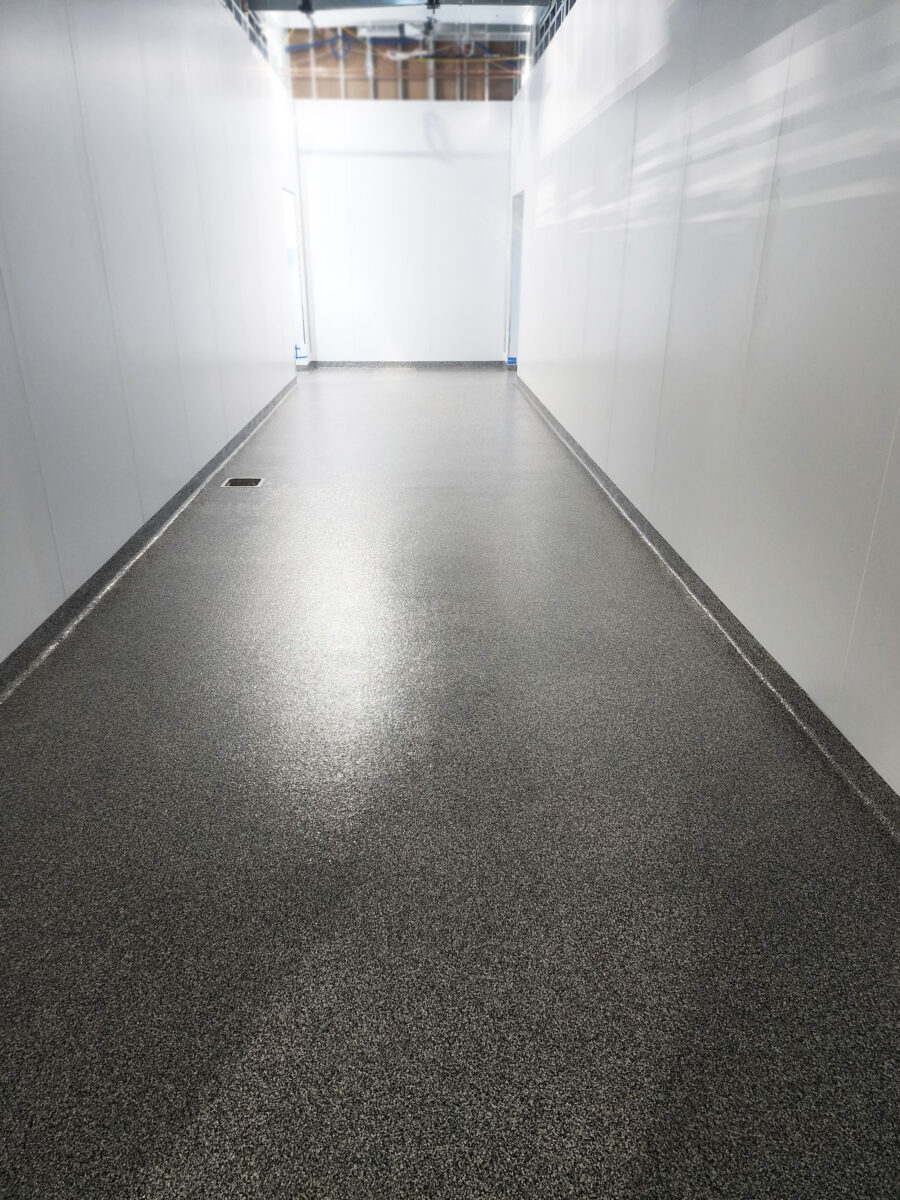
Control Germs in Medical Spaces with Antimicrobial Flooring
Healthcare and pharmaceutical facilities need flooring that meets strict sanitation standards while withstanding constant traffic and chemical exposure. In these environments, the floor is part of a broader infection prevention strategy, adding another layer of protection by hindering microbial growth on the surface underfoot.
Antimicrobial flooring systems combine durable resin technology with hygienic design principles. The result is a seamless, easy-to-clean surface that supports cleaning crews and infection control teams in their efforts to maintain a sanitary environment.
Benefits of Antimicrobial Surfaces in Medical Settings
Antimicrobial flooring serves a practical purpose in medical facilities, pharmaceutical manufacturing plants, and laboratories where contamination control is part of everyday operations. Consider the many advantages facilities gain by installing infection-control flooring systems:
- Reduced microbial growth: Antimicrobial flooring contains additives designed to inhibit the growth of bacteria and other microorganisms. This protection reduces the chances that microbes will spread throughout the facility via foot traffic or equipment.
- Improved cleaning efficiency: Seamless hygienic flooring systems eliminate grout lines and seams where dirt and bacteria tend to collect. Cleaning crews can sanitize the surface more effectively because there are fewer places for contaminants to hide.
- Enhanced infection-control protocols: Infection-control flooring works alongside established cleaning routines already present in your medical facility. When the floors resist microbial growth, it’s easier to maintain sterile conditions in sensitive areas.
- Long-term durability: Healthcare flooring solutions must withstand constant movement from beds, carts, equipment, and staff. Resin-based flooring is strong enough to withstand wear in demanding environments.
- Protection across multiple spaces: From patient rooms and waiting areas to laboratories and pharmaceutical production zones, antimicrobial flooring adapts to diverse environments with high sanitation standards.
How Antimicrobial Additives Work
Antimicrobial flooring gets its infection-control properties from additives incorporated directly into the epoxy resin system. While antimicrobial surfaces don’t replace sanitation protocols, they support ongoing cleaning efforts by limiting microbes’ ability to grow on the floor itself. Here’s how:
- Disrupting microbial cell activity: Antimicrobial flooring systems often include additives such as silver ions or zinc-based compounds mixed directly into the coating. These materials disrupt basic cellular functions, making it harder for bacteria to grow or reproduce on the surface. When microbes land on the floor, they’re less likely to survive, which keeps the surface cleaner between sanitation cycles.
- Continuous surface protection: Because additives are embedded throughout the flooring system, the antimicrobial effect is part of the overall coating system. This means it remains active even as the floor wears down.
- Compatibility with cementitious systems: Cement-based hygienic flooring systems can also incorporate antimicrobial technology. These systems are commonly used in environments that experience temperature fluctuations or heavy cleaning procedures.
Seamless Floors vs. Tiled Systems
Flooring design is a big part of infection control. While traditional tile floors have been used in medical settings for decades, modern resin systems offer clear advantages in terms of sanitation and durability.
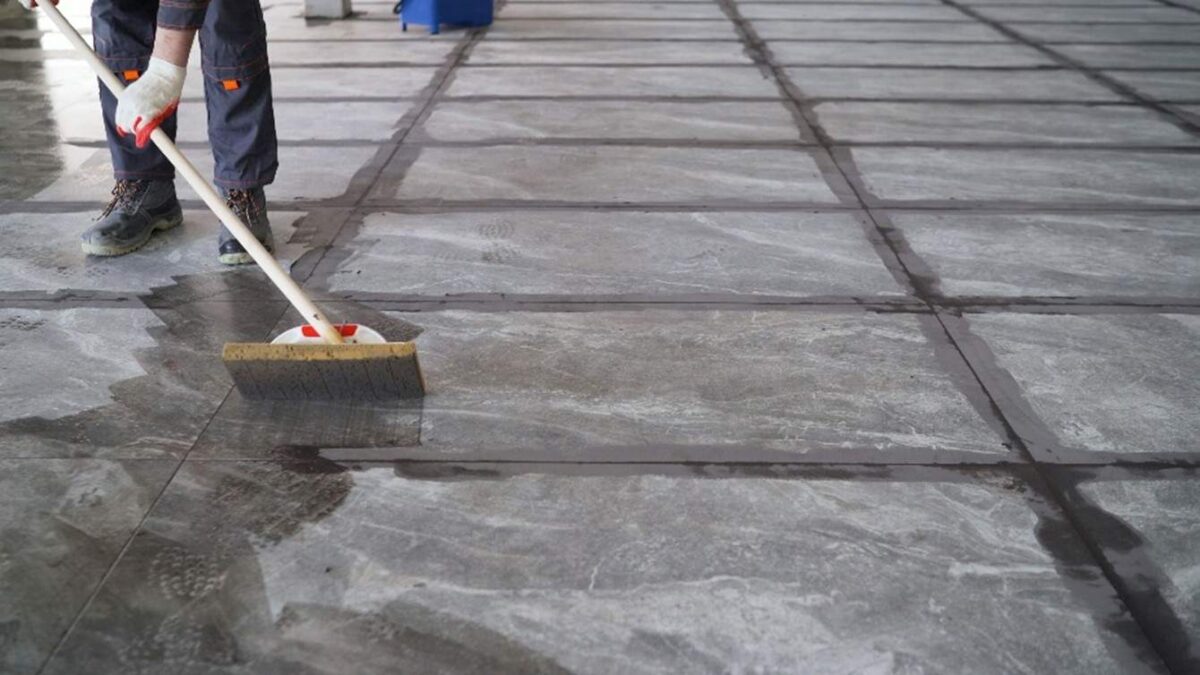
Tile systems contain grout lines or cracks that trap moisture, chemicals, and bacteria. Even with routine cleaning, these joints may harbor contaminants that are difficult to remove completely. Gradually deteriorating grout also creates maintenance challenges.
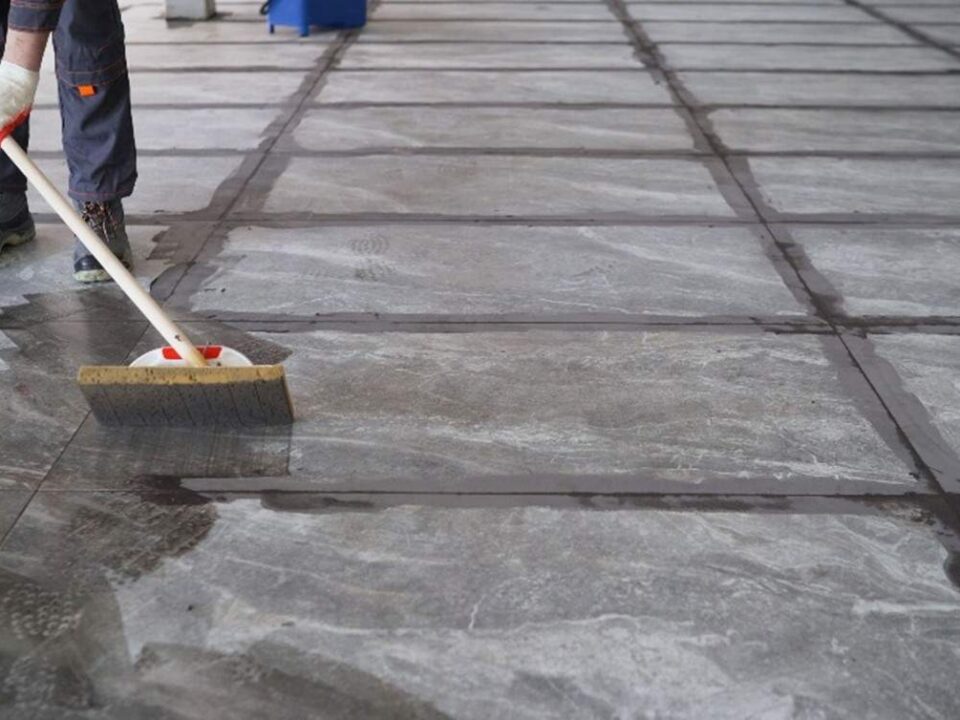
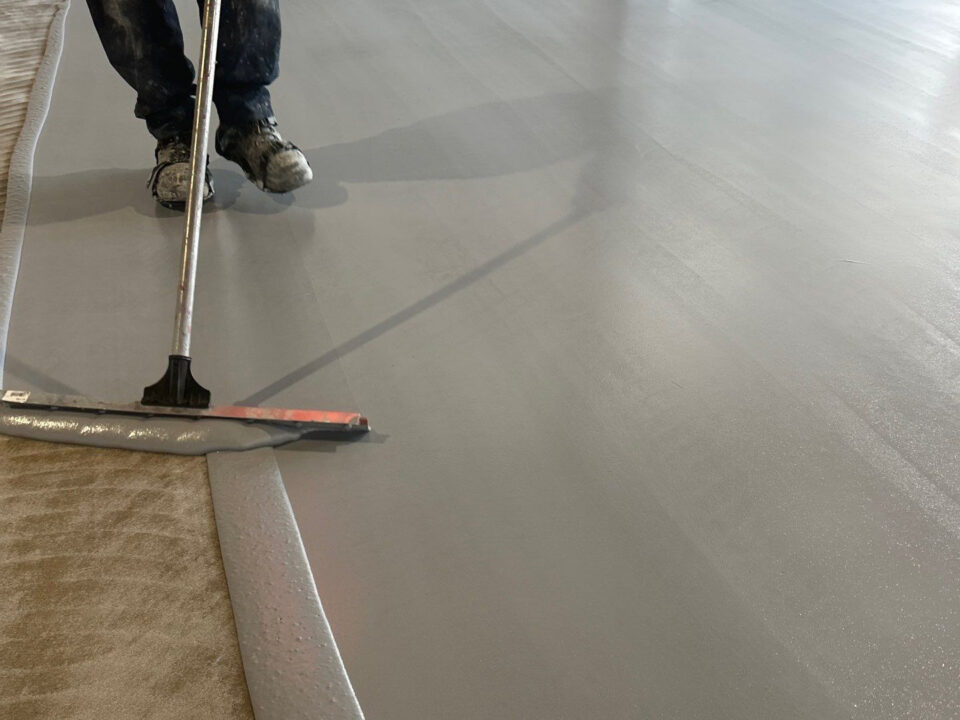
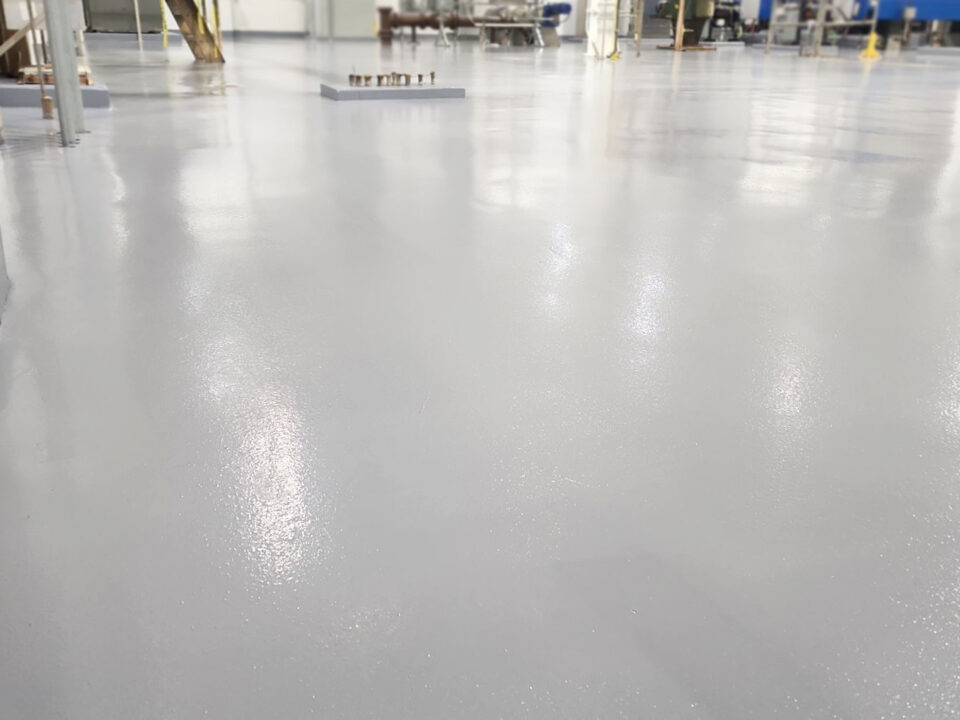
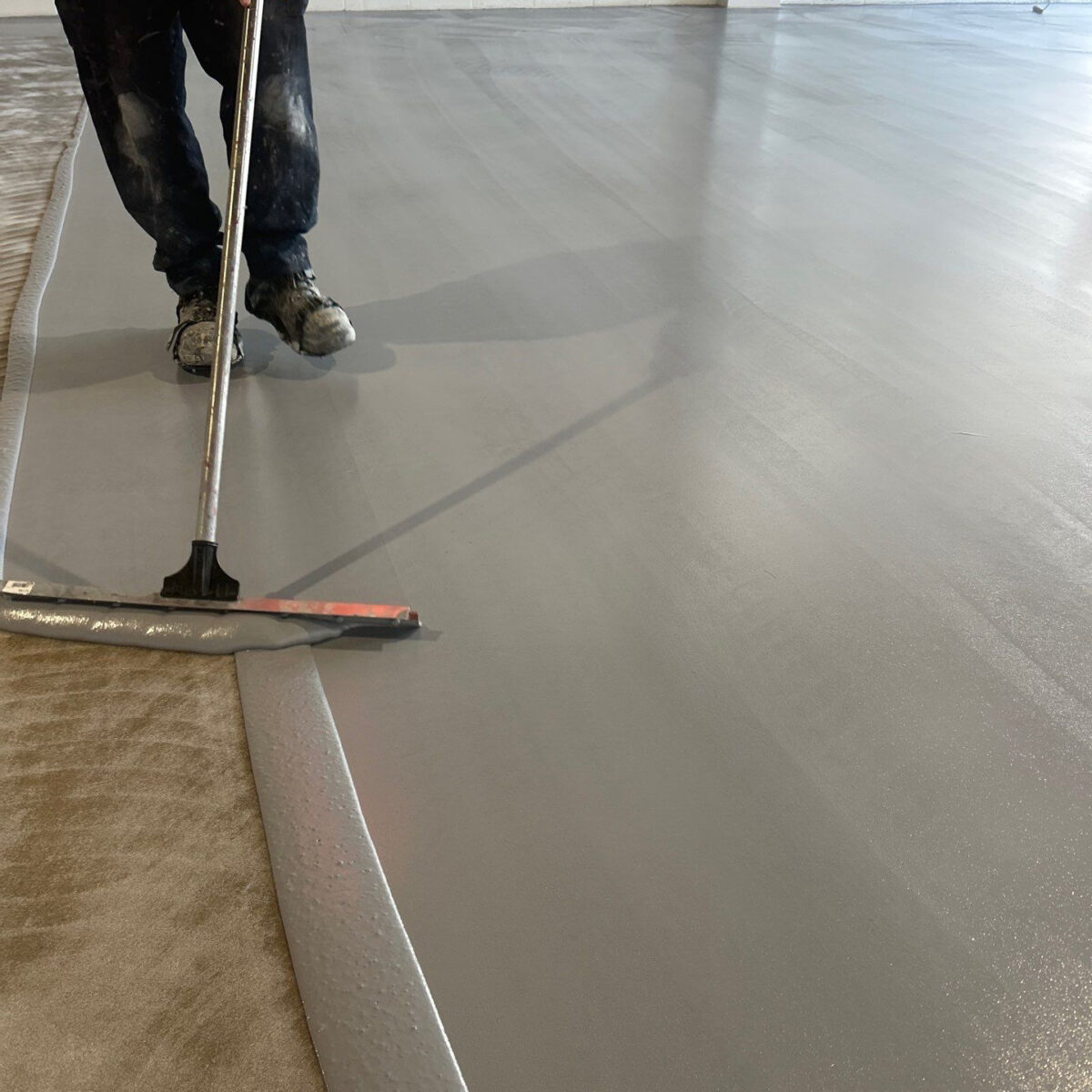
Seamless antimicrobial flooring removes these vulnerabilities. Resin systems are spread or troweled over a properly prepared substrate to create one continuous surface, leaving fewer places for microbes to hide. As a result, cleaning crews can disinfect the floor quickly without compromising sanitation standards.
Different resin systems work best in different parts of a healthcare or pharmaceutical environment:
- Standard epoxy systems: These floors perform well in administrative offices, waiting areas, and other spaces where sanitation is important but heavy sterilization procedures are uncommon.
- Urethane-modified epoxy systems: Areas such as operating rooms, intensive care units, and laboratories often require flooring with greater durability and temperature tolerance. Urethane-modified epoxy systems perform well in these environments because they resist thermal shock, chemical exposure, and heavy equipment traffic.
- Antimicrobial epoxy systems: Pharmacies, sterile processing departments, and pharmaceutical production areas demand the highest sanitation standards. Antimicrobial epoxy flooring is designed specifically for these environments.
The Importance of Chemical Resistance
Medical and pharmaceutical facilities utilize strong cleaning agents to maintain sterile conditions. Healthcare flooring systems must withstand repeated exposure to these chemicals without breaking down or losing their protective properties.
Resin-based flooring solutions provide strong chemical resistance, which keeps the surface intact even after years of routine cleaning cycles. Floors that resist chemical damage maintain their smooth, seamless surfaces and continue to support long-term infection control protocols. Chemical resistance also reduces maintenance costs since durable floors require fewer repairs and less frequent replacements.
Slip Resistance and Safety Requirements
Safety is a priority in hospitals, laboratories, and pharmaceutical facilities, and that goes beyond germ control. Floors also need to provide traction so staff, patients, and visitors can move through the space without worrying about slips and falls. The solution is to add slip-resistant textures to antimicrobial flooring systems, especially in areas where spills or leftover cleaning products may be present.
Balancing safety and cleanability is essential. Smooth floors are easiest to clean, but they may become slippery. On the other hand, overly textured surfaces trap contaminants and make cleaning more difficult. Modern infection-control flooring systems address both concerns by using carefully engineered textures to provide traction while still allowing cleaning crews to disinfect the floor efficiently.
Facilities also benefit from consistent flooring performance across multiple departments. This way, staff members moving between patient rooms, laboratories, and sterile areas encounter surfaces designed to meet the safety needs of each environment.
Installation Requirements
Installing antimicrobial flooring in an active facility requires careful planning. Infection control measures must remain in place throughout the installation process to protect patients, staff, and sensitive operations. The following precautions promote safe conditions during installation:
- Controlled work zones: Installation crews isolate work areas to prevent dust from entering patient care spaces.
- Strict sanitation procedures: Tools, materials, and equipment are handled in accordance with the facility’s hygiene requirements.
- Efficient project scheduling and communication: The installation team coordinates with facility managers to minimize disruption. Work may take place in phases to keep portions of the building operational while flooring upgrades occur.
Maintenance and Sanitization Best Practices
Antimicrobial flooring maintenance ensures the system performs effectively throughout its lifespan. Maximize long-term performance by following these best practices:
- Use approved disinfectants: Stick with cleaning solutions designed for healthcare environments to maintain proper sanitation without harming the floor surface.
- Maintain routine cleaning schedules: Daily sanitation removes contaminants before they accumulate.
- Address spills promptly: Quick cleanup prevents chemical exposure or staining.
- Inspect high-traffic areas regularly: Routine inspections catch premature wear or small cracks before they become larger issues.
- Coordinate professional evaluations: Professionals should periodically assess the condition of your flooring. They may recommend maintenance or refinishing as needed.
Future Flooring Trends
Advancements in material science continue to expand the capabilities of healthcare flooring solutions. One emerging concept involves self-sanitizing surfaces that actively break down microbes when they come into contact with the floor, disrupting bacterial activity more efficiently than traditional antimicrobial additives.
Smart antimicrobial surfaces that respond to environmental conditions are another area of development. These materials activate antimicrobial properties in response to light exposure or chemical triggers.
Researchers are also exploring coatings that maintain antimicrobial performance for extended periods while remaining compatible with aggressive hospital cleaning procedures. As technologies continue to develop, healthcare and pharmaceutical facilities will gain even more options for infection-control flooring.
Partner with Hygienic Flooring System Experts
MSC Floors has more than 20 years of experience installing healthcare flooring solutions to improve sanitation, safety, and appearance. Our team understands the chemical exposure, traffic patterns, and hygiene requirements of medical and pharmaceutical facilities. Trust our project managers to keep your installation organized and progressing efficiently. Our goal is to deliver an exceptional flooring product while limiting disruption to your operations. Contact us today to schedule a free site survey for your healthcare or pharmaceutical facility in Michigan, Ohio, or Northern Indiana.
FAQs
How do installers replace hospital flooring without interrupting patient care?
Flooring projects in hospitals are usually planned in phases so critical areas remain operational. Installers isolate the work zone, control dust, and follow strict infection-control procedures. Scheduling projects during low-traffic hours minimizes disruption to patients and staff.
What flooring systems hold up best to healthcare cleaning chemicals?
Resin flooring systems designed for medical environments are built to handle repeated exposure to disinfectants and sterilizing agents. Urethane-modified epoxy and other high-performance coatings offer the strongest resistance to bleach and other sanitation chemicals. Work with your flooring contractor to select the appropriate system for each area of your facility.
How do I choose the right contractor for my healthcare flooring project?
Look for a contractor with experience in medical environments, surface preparation practices, and safety and compliance protocols. Clear communication and organized project management also keep the installation on schedule.
Does antimicrobial flooring eliminate the need for regular cleaning?
No. The antimicrobial component reduces bacterial growth on the floor surface between cleanings, but following proper sanitation protocols is still necessary to maintain safe conditions.
Can antimicrobial flooring support heavy medical equipment?
Yes, resin-based antimicrobial flooring systems can handle heavy equipment and constant foot traffic. Properly installed systems provide excellent load-bearing strength and durability on top of their antimicrobial features.