
How Sustainable Flooring Is Shaping More Eco-Friendly Industrial Facilities
April 27, 2026
Planning a Seamless Industrial Flooring Installation
May 11, 2026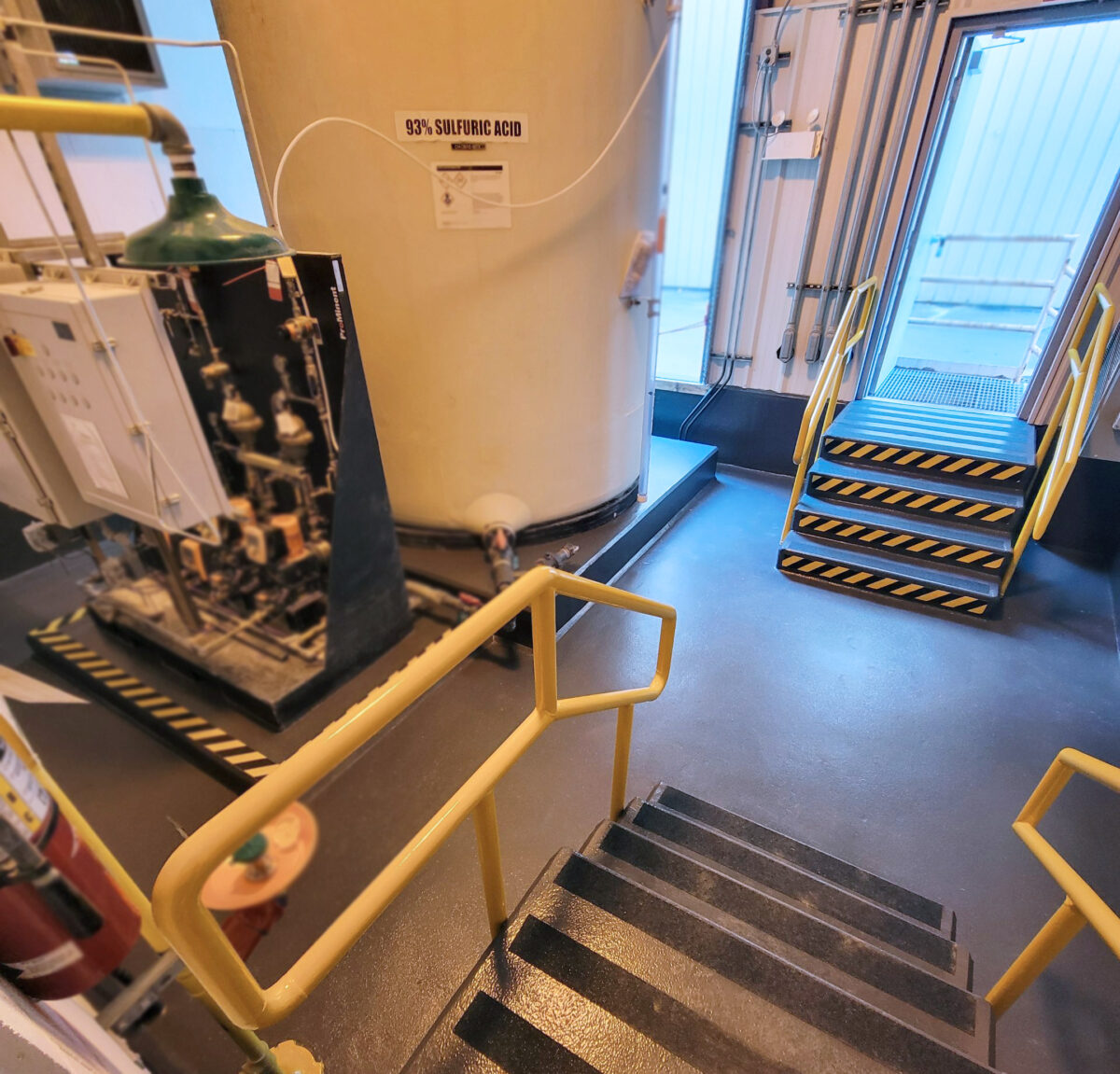
Chemical-Resistant Flooring Solutions
Manufacturing environments demand flooring that can withstand chemicals, heavy equipment, and constant vehicle and foot traffic. If you install the wrong system, you could end up with surfaces that deteriorate faster than anticipated, resulting in safety hazards, contamination risks, and frustrating downtime. Opt for chemical-resistant flooring from the outset to ensure long-term protection for your facility.
Why Chemical Resistance Matters in Process-Heavy Industries
In many manufacturing plants, floors are exposed to acids, alkalis, solvents, oils, and cleaning agents. Some exposure is intentional, while others result from spills or leaks. Without the proper coating, concrete absorbs these substances, leading to cracking, softening, and erosion. To prevent contamination, tripping hazards, or regulatory noncompliance, you may have no choice but to disrupt operations and perform repairs.
Chemical-resistant flooring prevents this scenario. It creates a protective barrier between your concrete slab and the substances used in your facility. Some of the best flooring for chemical plants include:
- High-build epoxy coatings
- Urethane and polyurethane coatings
- Mortar broadcast systems
- Secondary containment coatings
- Polished concrete with protective treatments
Comparing Chemical Exposure Types
Not all chemical exposure is the same. Selecting the right durable chemical flooring system starts with understanding what your floors will encounter. Here’s what to consider:
- pH levels: Strong acids can rapidly break down cement paste, while high-alkaline solutions may degrade certain coatings. Select a flooring system based on the specific pH range present in your processes and cleaning protocols.
- Concentration: A floor that performs well under occasional diluted exposure may fail under repeated contact with high-concentration acids or caustics.
- Duration of exposure: Brief, quickly cleaned spills differ greatly from standing pools or continuous discharge areas around drains.
- Temperature: Hot washdowns or high-temperature process areas intensify chemical attacks and demand a high-performing resin system.
Installation Techniques That Enhance Chemical Resistance
Even the best materials will not perform as intended unless installed properly. For this reason, professional chemical industry flooring installation is highly recommended. Here’s what the job entails:
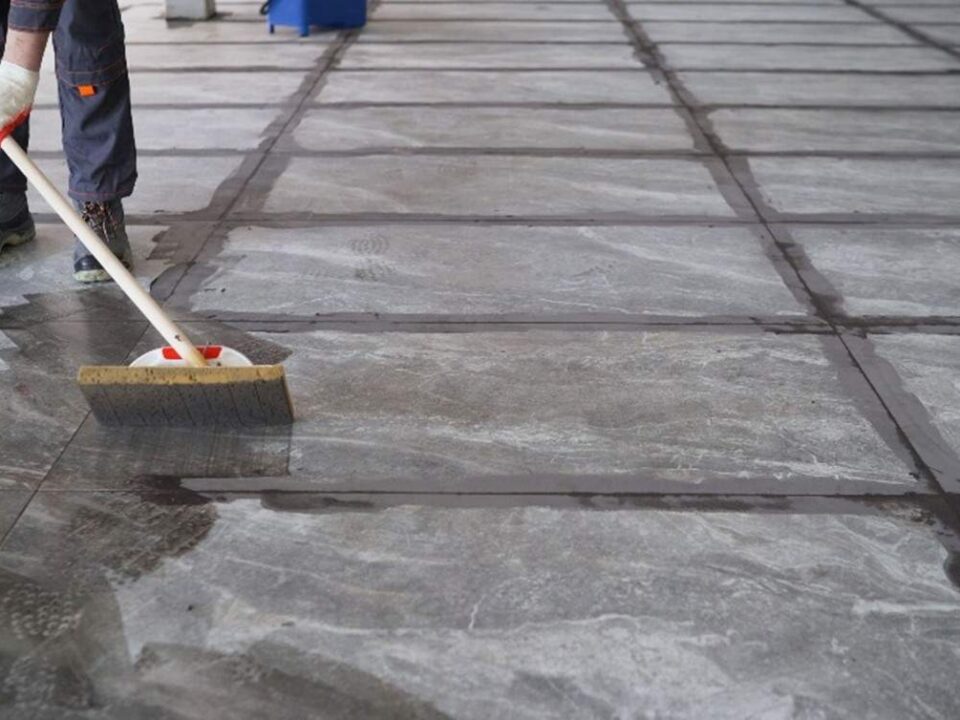
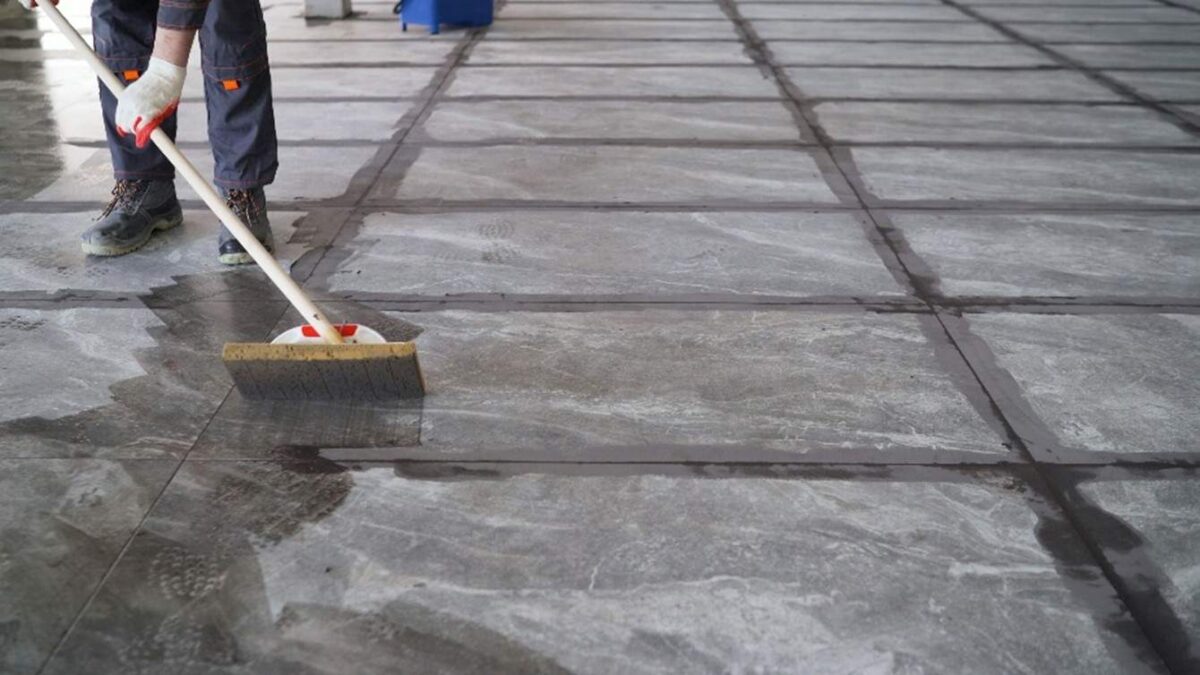
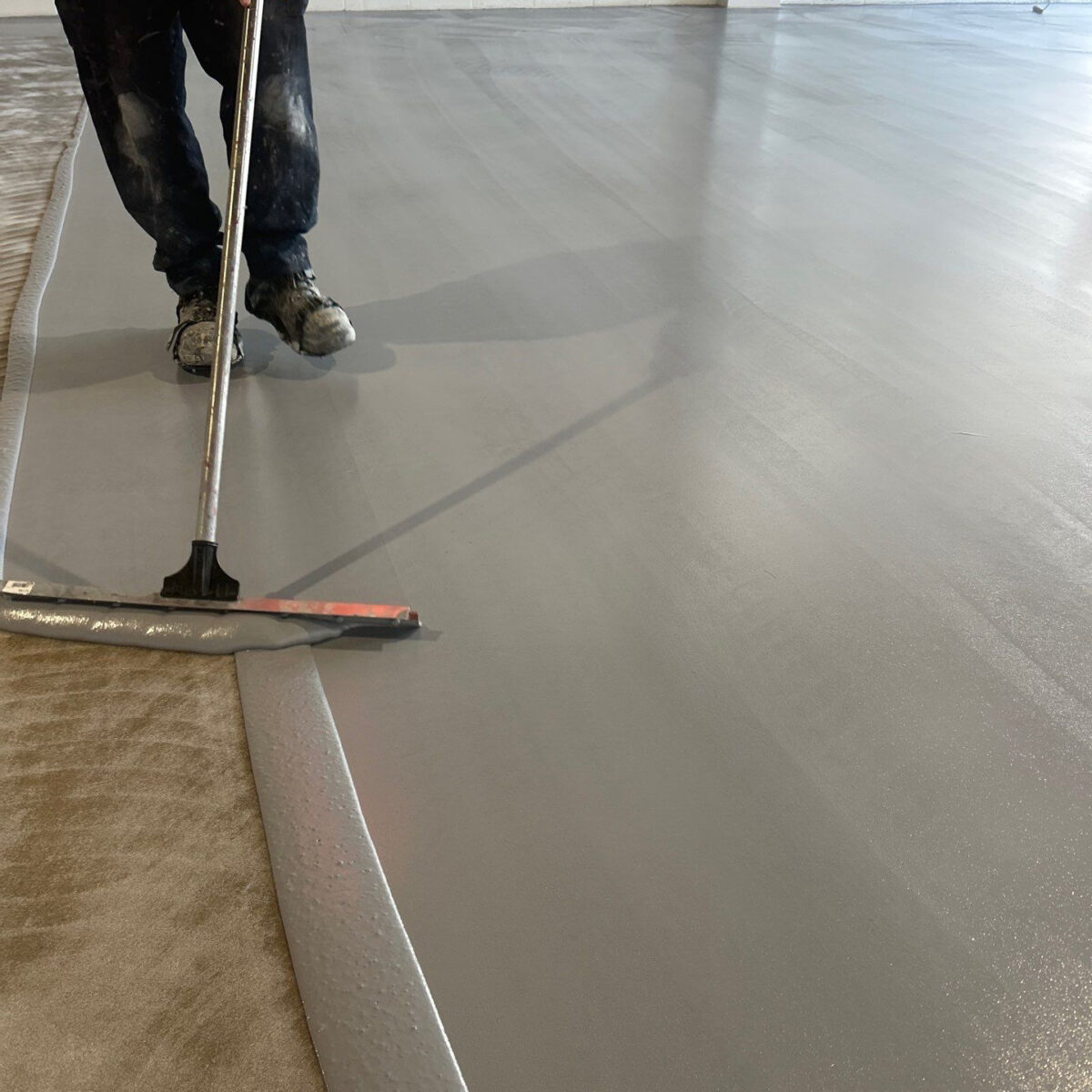
- Concrete surface preparation: Mechanical grinding or shot blasting opens the concrete pores, removes contaminants, and creates a textured surface for strong adhesion.
- Moisture evaluation: Excess moisture can cause delamination and compromise chemical resistance. That’s why installers check for moisture vapor transmission and address issues before coating.
- Crack and joint repair: Your installer repairs structural cracks and damaged joints to prevent chemicals from penetrating beneath the coating system.
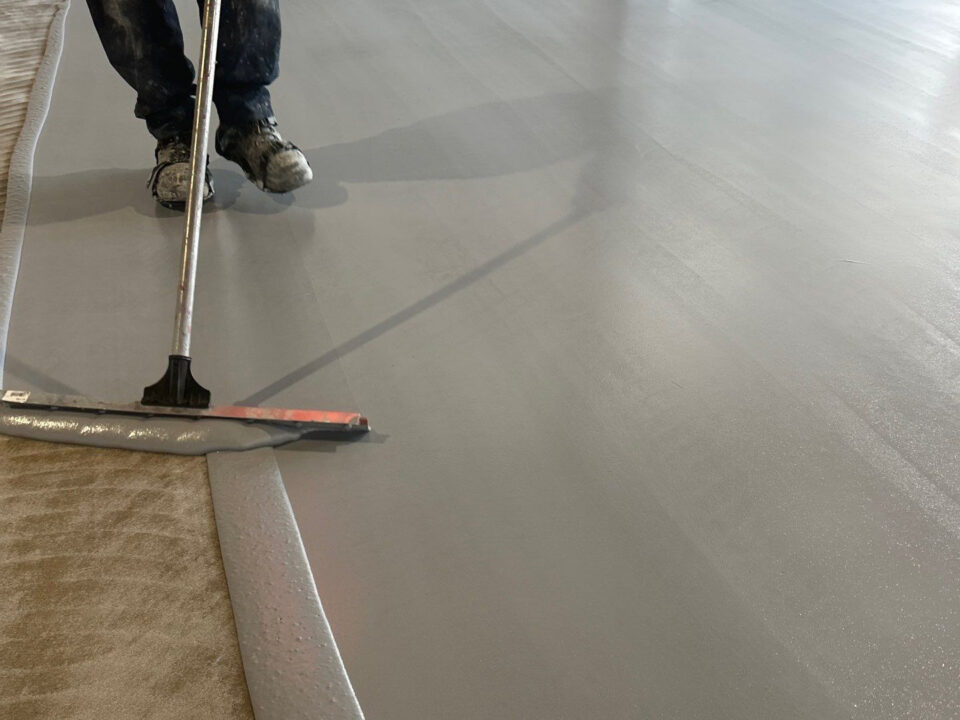
- Primer and build coats: Multi-layer systems often include a primer to improve adhesion and one or more build coats to achieve the required thickness.
- Controlled curing conditions: Temperature and humidity must be monitored during installation to ensure the coating cures properly and achieves its full chemical resistance.
Testing Standards for Chemical-Resistant Flooring
Durable chemical flooring systems are often evaluated using standardized laboratory tests designed to simulate exposure to specific substances. These tests assess measurable changes in weight, surface hardness, and appearance after chemical contact.
Common evaluations include:
- Immersion testing in acids, alkalis, and solvents
- Abrasion testing to measure how well the surface withstands mechanical wear
- Adhesion testing to confirm the bond strength between the coating and the concrete
- Impact and compressive strength tests to determine whether the system can tolerate heavy equipment and dropped objects
While laboratory results provide a useful baseline, real-world conditions should always guide the final selection. A knowledgeable contractor will interpret test data within the context of your facility’s exposure profile to look beyond general performance claims.
Real-World Applications
Chemical industry flooring installation is suitable for multiple industries:
- Food processing plants: Frequent washdowns, organic acids, and sanitizing chemicals create demanding conditions. Urethane cement and high-build epoxy systems are most commonly used to resist thermal shock, moisture, and cleaning agents.
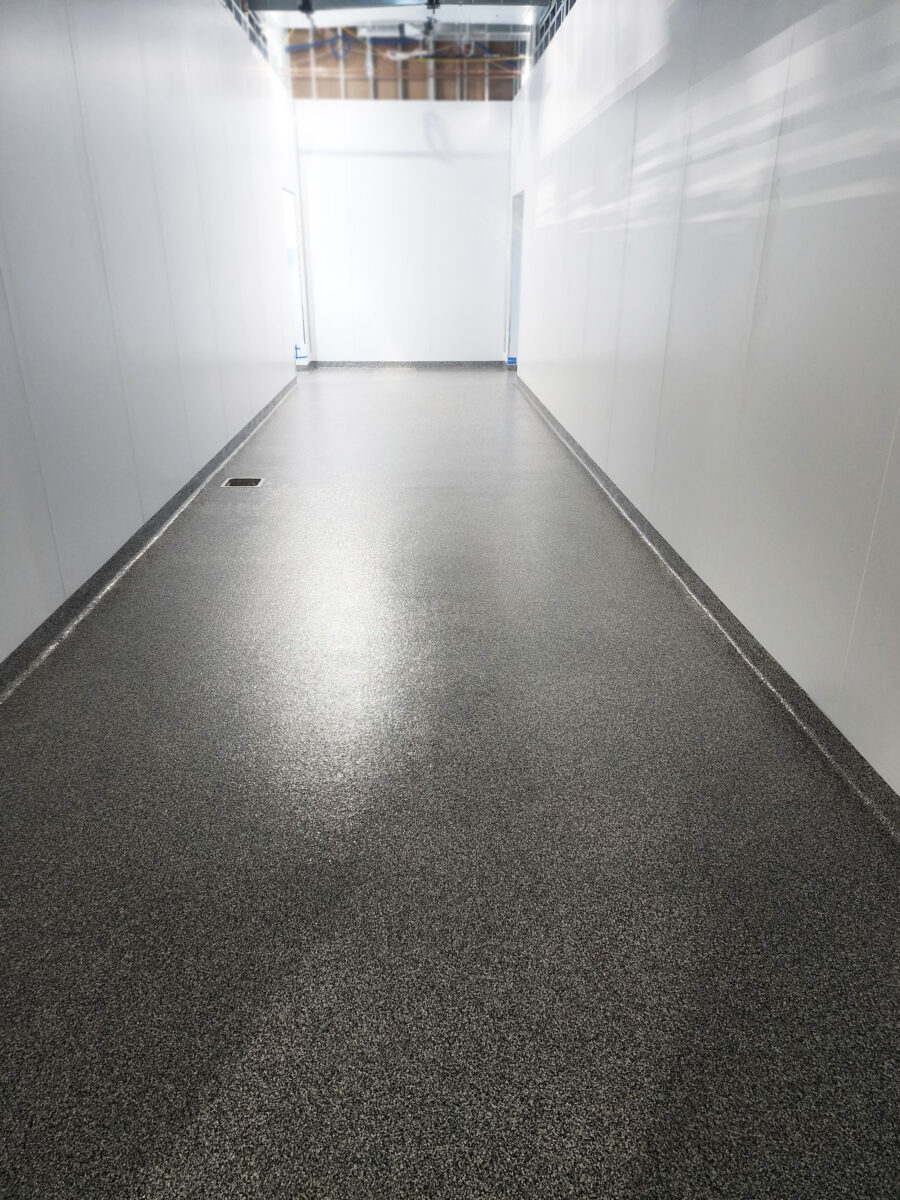
- Pharmaceutical and biotech facilities: Cleanability and chemical resistance go hand in hand in these controlled environments. Floors must withstand disinfectants, solvents, and occasional chemical spills while maintaining a smooth, seamless finish that supports compliance.
- Chemical processing facilities: Exposure in these environments may include concentrated acids, caustics, and aggressive solvents. Resin systems are selected based on specific chemical compatibility, and thicker, reinforced systems are often required for added protection in secondary containment areas and spill zones.
- Automotive and heavy manufacturing plants: These facilities frequently encounter oil, hydraulic fluid, coolant, and battery acid. Heavy traffic from forklifts and machinery adds mechanical stress in service bays and production lines. Epoxy systems with enhanced abrasion resistance provide the desired durability.
Selecting the Right Flooring Based on Exposure Profiles
Choosing the right flooring for chemical plants begins with a detailed assessment of your facility. Consider the following:
- Chemical inventory: Identify the substances used, their concentrations, and how often they contact the floor.
- High-risk zones: Process areas may require more aggressive protection than storage or packaging areas.
- Cleaning protocols: Determine whether hot water, steam, or strong sanitizers are used during washdowns.
- Regulatory requirements: Some industries require specific hygienic or performance characteristics.
Protect Your Facility with a Proven Flooring Partner
Chemical-resistant flooring is a practical investment in your manufacturing facility’s safety, longevity, and productivity. At MSC Floors, we have over 20 years of experience transforming concrete surfaces and an in-depth understanding of chemical resistance and mechanical wear. Our team delivers world-class chemical industry flooring repair and installation designed to improve the appearance, safety, and sanitation of facilities throughout Michigan, Ohio, and Northern Indiana. Contact us today to schedule a free site survey and learn how we can protect your floors for the long haul.
FAQs
How long does chemical-resistant flooring last?
Professionally installed systems often perform well for 10 to 20 years or more in well-managed environments.
Can flooring for chemical plants be installed over existing coatings?
In some cases, yes. The existing surface must be evaluated for adhesion and compatibility, and proper surface preparation is required.
How soon can operations resume after installation?
Cure times vary by system. Some floors can handle light foot traffic within 24 hours, while heavy equipment may require several days before returning to full service.
Are chemical-resistant floors also slip-resistant?
It’s possible to incorporate slip-resistant aggregates into the topcoat to improve traction.
What maintenance is required to preserve chemical resistance?
Routine cleaning with compatible products, prompt spill cleanup, and periodic inspections extend the life and performance of your flooring system.