Your Complete Guide to Chemical-Resistant Flooring for Manufacturing Plants
May 4, 2026
Revolutionizing Heavy-Duty Factory Floors
May 18, 2026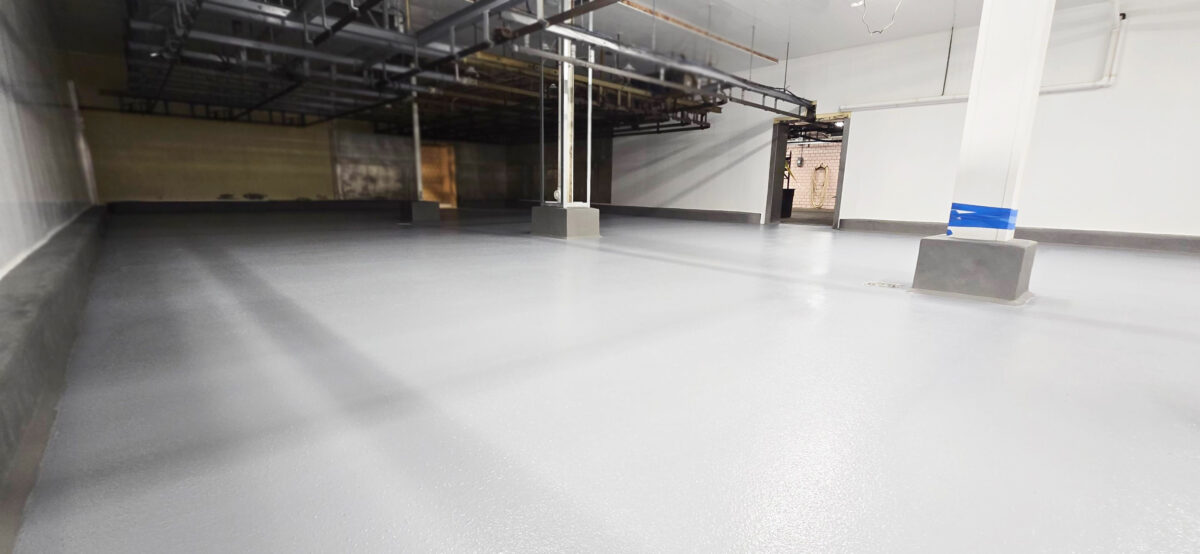
Tips for a Smooth Industrial Flooring Project
Industrial flooring installation is not a project to approach casually. The floor in your facility forms the foundation for equipment performance, production schedules, sanitation standards, and employee safety. A poorly planned installation can disrupt operations and lead to premature repairs or replacements, while a well-coordinated project delivers measurable value and long-term performance.
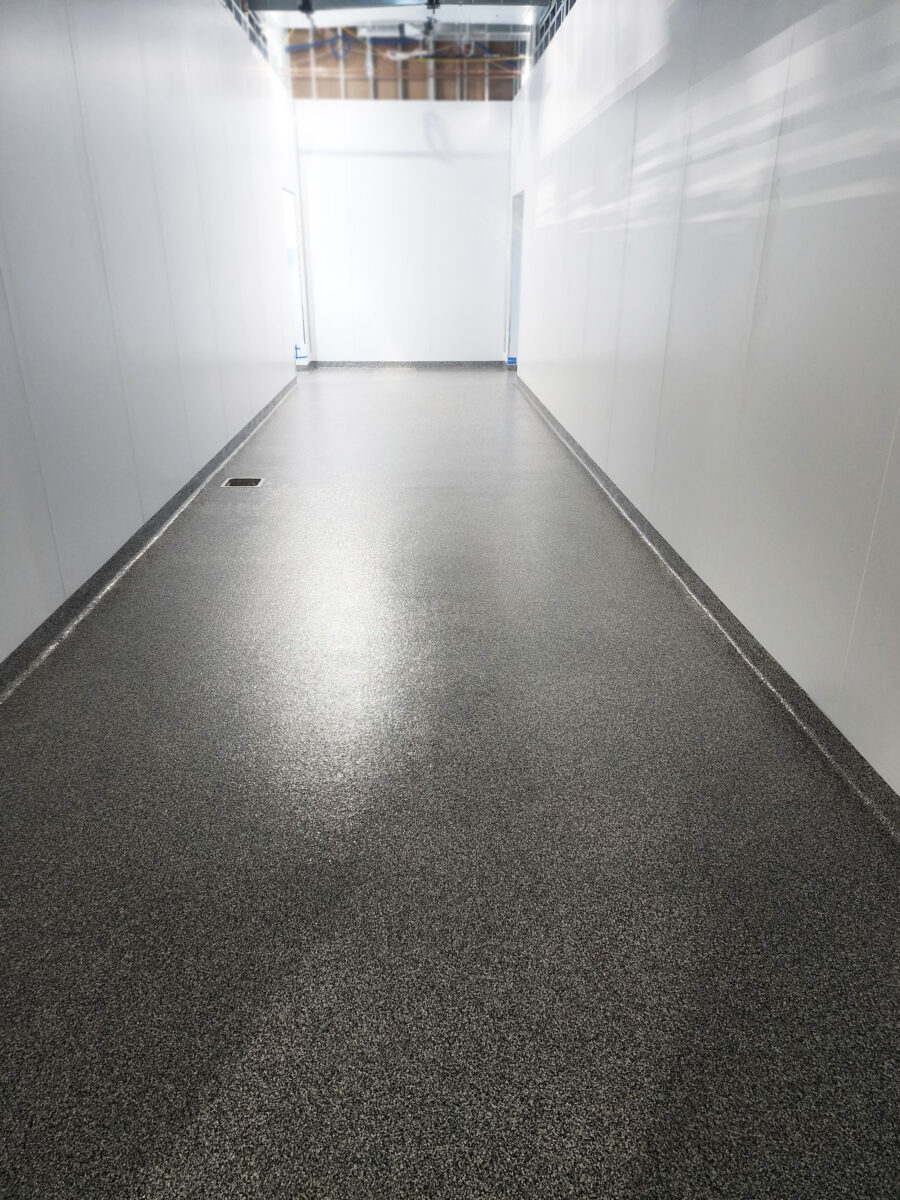
Seamless flooring solutions are the standard for facilities seeking durable, hygienic, easy-to-maintain floors. Maximizing these benefits starts long before installation day. Each step, from evaluating the concrete slab to selecting the right coating material, affects how your new floor will perform for years to come.
Evaluate the Condition of the Substrate
Every durable flooring installation begins with a thorough review of the existing concrete. Your installer should walk the floor with you and assess the slab’s overall condition before moving forward with the installation. Here are the problems they check for:
- Cracks and other damage: Identifying structural cracks, damaged joints, and spalling helps the installer determine what concrete repairs are necessary to create a stable base for coating.
- Surface contamination: Oil, grease, and chemical residue can interfere with adhesion. Such contamination must be fully removed.
- Flatness: Uneven areas can impact coating thickness and drainage performance. Concrete leveling ensures a smooth, flat substrate ready for coating.
Conduct Moisture Testing
Moisture is among the most common causes of blistering, bubbling, or delamination of seamless flooring systems. Concrete naturally holds moisture, and vapor transmission from below the slab can continue long after it has cured and hardened.
Your installer will use one or more industry-accepted methods to test for moisture in the slab. These tests determine whether vapor emissions fall within acceptable ranges for the specified flooring system. If moisture levels are too high, vapor barriers or other mitigation strategies may be required.
Prepare the Surface for Proper Adhesion
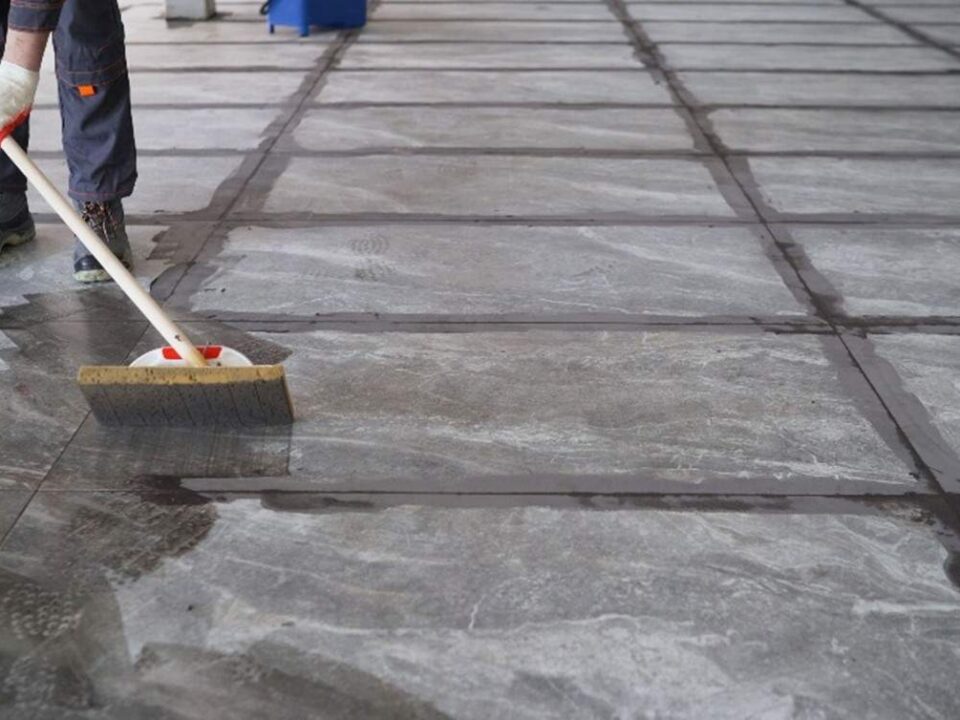
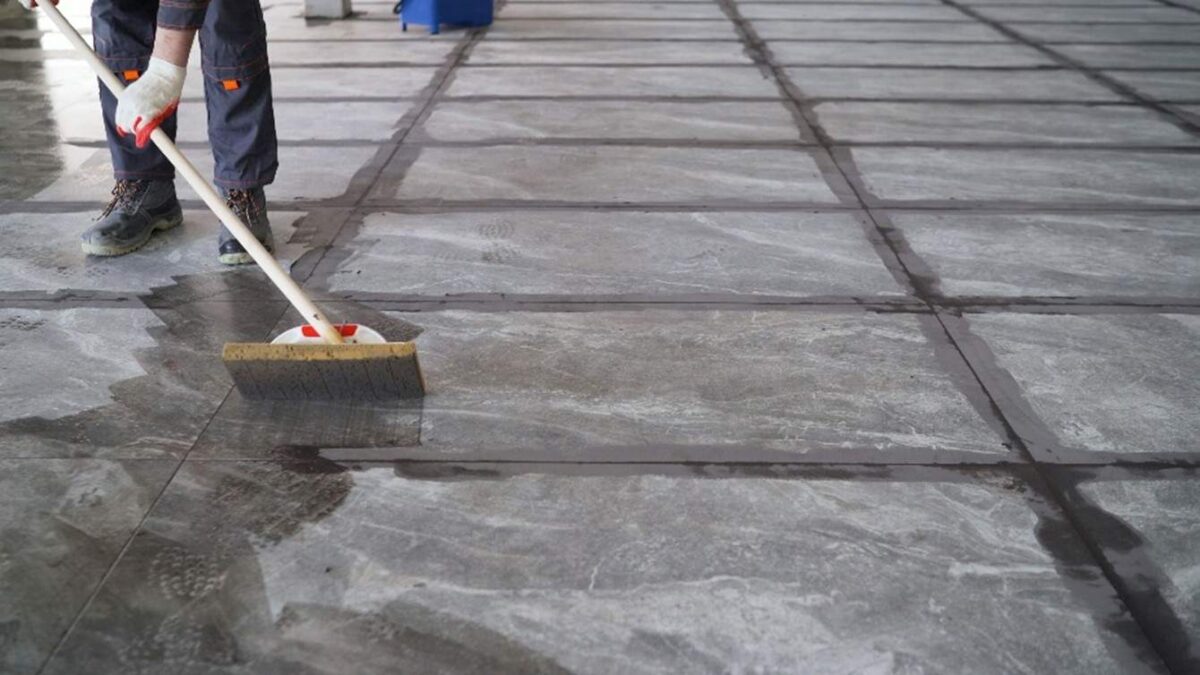
Surface preparation is crucial to a long-lasting floor coating. Beyond simply cleaning the floor, the concrete must be textured to promote adhesion. Some proven techniques include:
- Shot blasting: Steel shot is propelled at the surface to remove contaminants and create a uniform texture.
- Grinding: Diamond grinders smooth high spots, remove previous coatings, and open the concrete pores.
- Scarifying: For thicker systems or heavily damaged areas, scarifiers remove more substantial material to reach the sound concrete beneath.
- Vacuuming: After mechanical preparation, crews thoroughly vacuum the floor to remove dust and debris.
- Crack and joint repair: Cracks, damaged joints, and other defects are repaired to restore the slab’s strength and integrity.
Select the Right Flooring System
The best industrial seamless flooring for your factory or warehouse depends on how your facility operates. Your installer will help you select a system that supports your long-term operational goals based on the following criteria:
- Traffic loads: Constant stress from forklifts, pallet jacks, and heavy machinery requires a system with high compressive strength and abrasion resistance.
- Chemical exposure: Facilities that handle acids, solvents, or cleaning agents need flooring with proven chemical resistance.
- Thermal shock: Areas exposed to hot water washdowns, freezing conditions, or rapid temperature changes must be formulated to withstand thermal shock.
- Slip resistance: Safety protocols may call for textured finishes in wet or oily environments.
- Sanitation standards: Food processing and pharmaceutical facilities require seamless flooring solutions to resist bacterial growth.
Apply the Coating
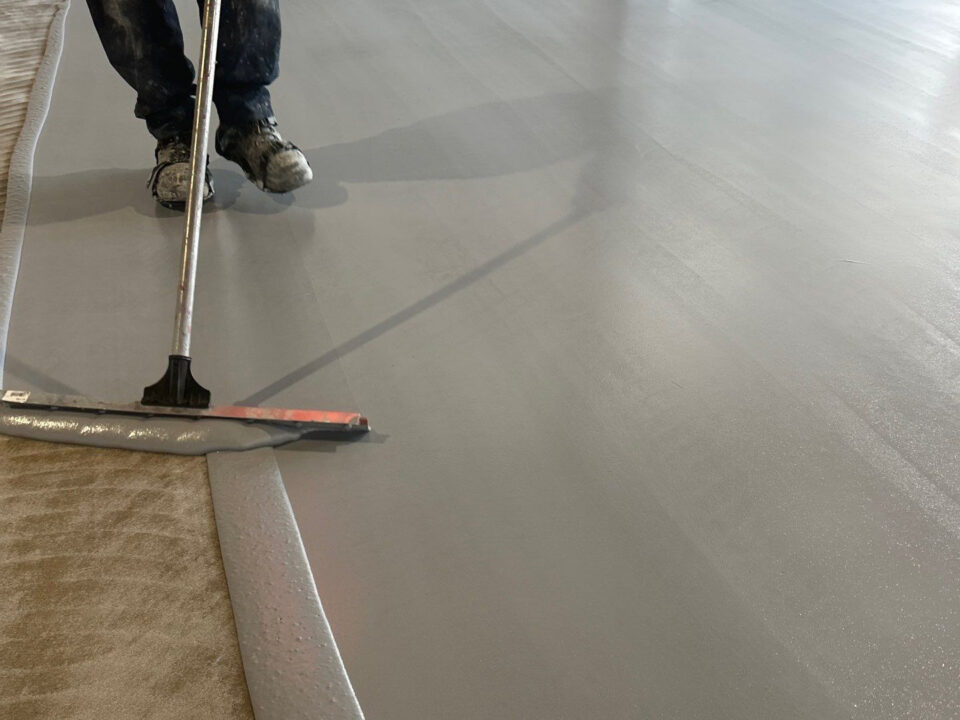
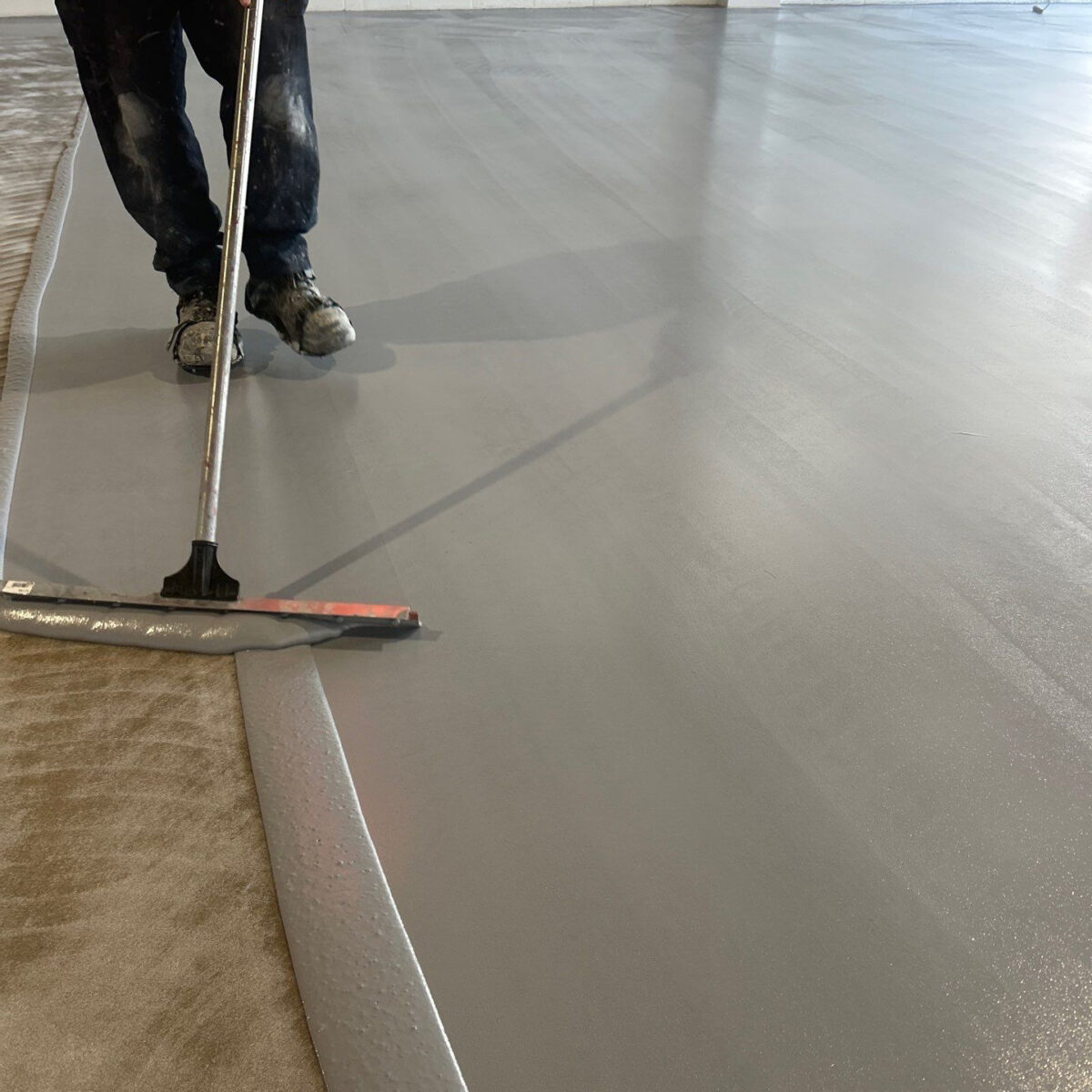
Once surface preparation and product selection are complete, the installation process begins. This stage involves multiple steps that must take place within specific time windows to ensure proper adhesion and curing. Here’s what to expect:
- Priming: Most flooring systems begin with a primer, which soaks into the prepared concrete and helps the next layers adhere securely. It also seals the surface and reduces the chance of air bubbles during installation.
- Base coating: The base coat builds the main body of the floor and gives it much of its strength. Depending on your facility’s needs, sand or other aggregates can be broadcast into this layer to improve durability and slip resistance.
- Layering: Additional coats add thickness and lock in aggregates. In demanding environments, multiple layers create a tougher system that withstands mechanical wear and chemical exposure.
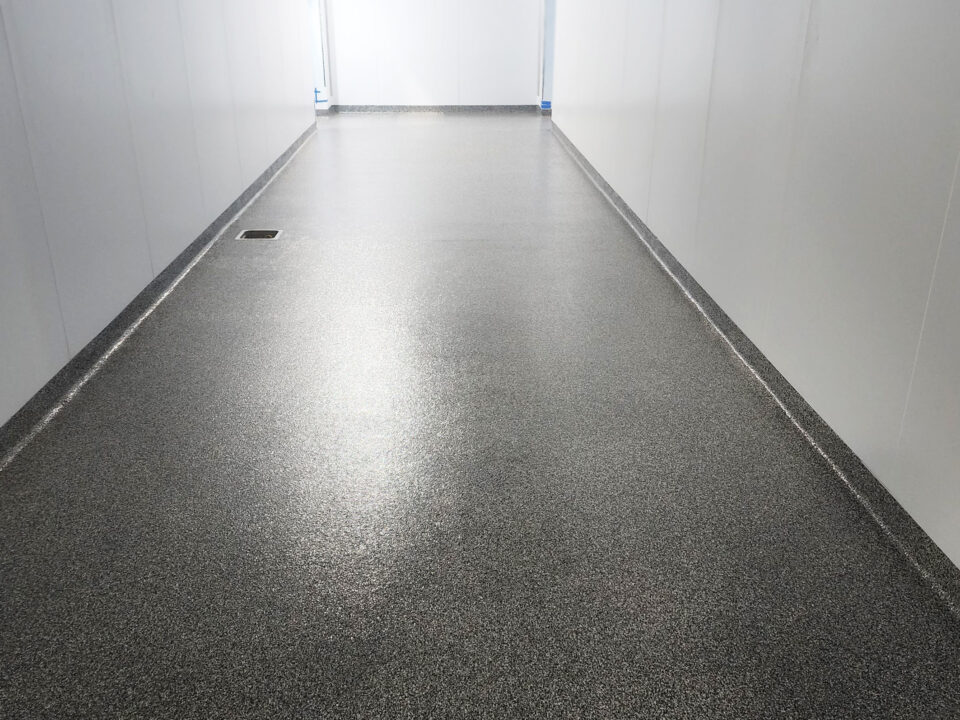
- Finishing: The topcoat gives the floor its final look and adds further protection. It may include UV stability, extra chemical resistance, or a textured surface for better traction.
- Controlling the environment: Temperature, humidity, and ventilation all affect how the coating cures and bonds. Careful environmental management throughout every phase of installation keeps the project on schedule and helps your floor perform as expected for many years to come.
Partner with MSC Floors for Your Next Project
MSC Floors has over 20 years of experience transforming concrete surfaces in Michigan, Ohio, and Northern Indiana with successful industrial flooring installations. Our careful planning, technical knowledge, and disciplined execution ensure superior results every time. We maintain a clean, organized jobsite, which reflects our professionalism and commitment to doing the job right. Contact us today to schedule your free site survey and start planning your next seamless flooring project.
FAQs
How long does an industrial flooring installation take?
Project timelines vary by square footage, system type, and site conditions. Many installations can be completed within a few days to a week when properly planned.
Can seamless flooring be installed over existing coatings?
In some cases, existing coatings can be removed and the substrate reprofiled for a new system. A professional evaluation is needed to determine compatibility and adhesion potential.
How soon can equipment be returned to the floor after installation?
Light foot traffic is often allowed within 24 hours, while heavy equipment may require several days of cure time.
Are seamless flooring systems customizable for specific zones?
Yes, different areas can receive varying thicknesses, textures, or topcoats to match the demands of each space in your facility.
What maintenance is required after installation?
Routine sweeping or dust mopping, mechanical scrubbing, and prompt cleanup of chemical spills are recommended to preserve your flooring system’s appearance and performance.