Polyaspartic Floor Coating vs. Epoxy
January 30, 2026
How Long Do Epoxy Floors Last?
February 23, 2026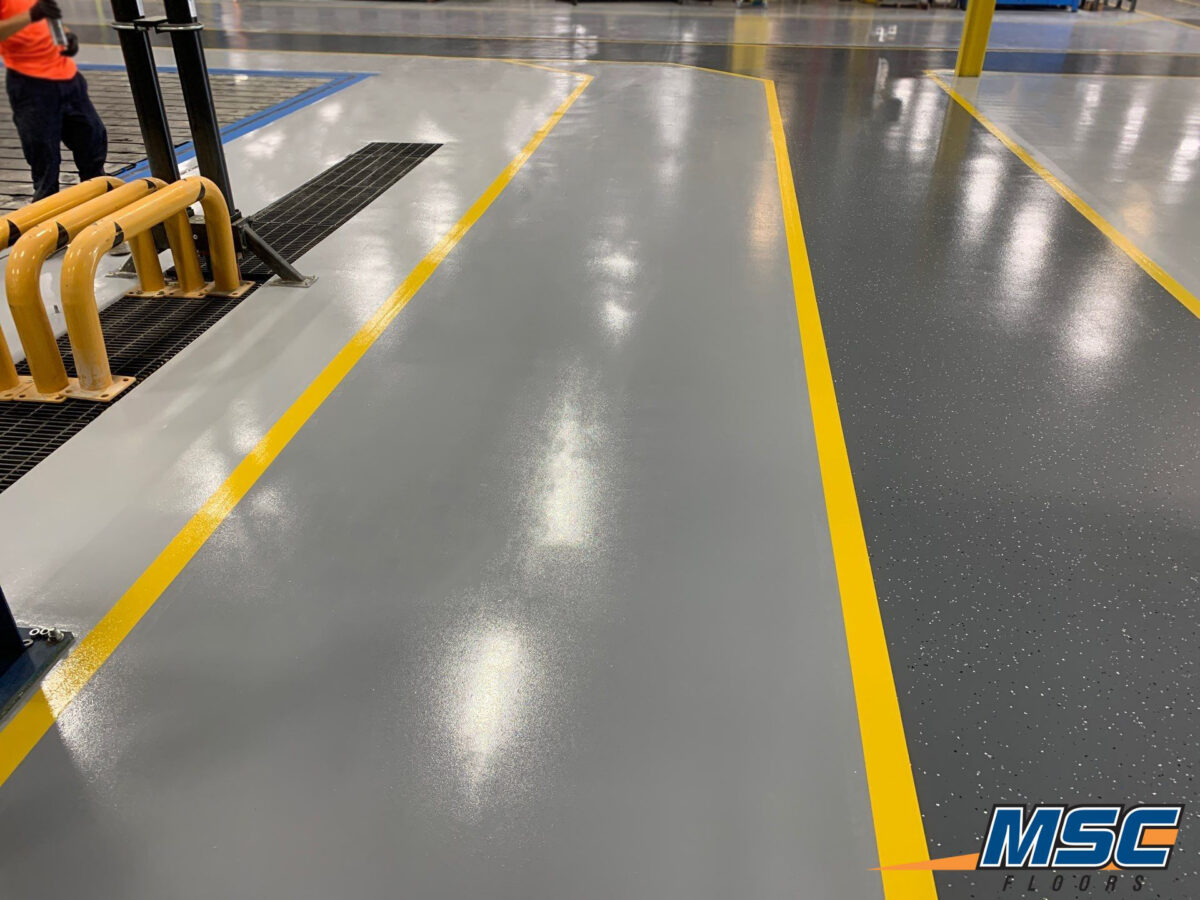
How Floor Coatings Promote Safety in Manufacturing Plants
Manufacturing facilities operate under constant pressure to maintain productivity while protecting workers and equipment. The condition of your concrete floors directly impacts safety, maintenance costs, and regulatory compliance. When untreated concrete begins to crack or wear out, safety risks and maintenance costs increase. Industrial floor coatings provide a proven way to reinforce the substrate, protect against daily wear and tear, and improve safety across your facility.
What Are Industrial Floor Coatings?
Industrial floor coatings are protective systems applied to concrete substrates to enhance durability and safety. These coatings create a hardened, sealed surface that withstands the mechanical and environmental demands common in manufacturing settings.
Several types of industrial floor coatings are widely used in production facilities, warehouses, and processing plants.
Epoxy Coatings
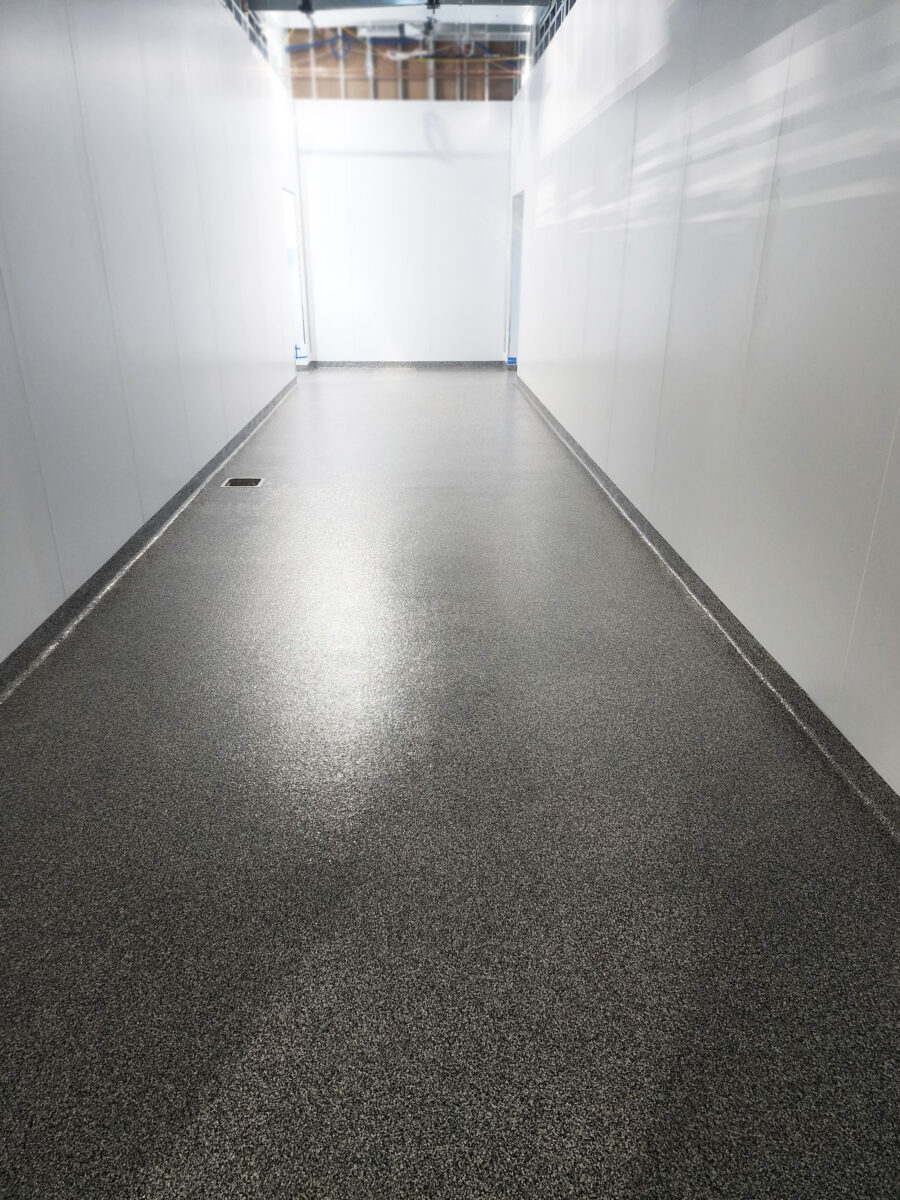
Epoxy coatings consist of a resin and hardener that chemically react to form a rigid, high-strength surface. They are a preferred solution in industrial settings because they provide excellent adhesion to concrete and strong resistance to abrasion, impact, and chemicals.
You might be wondering, what are the best industrial epoxy floor coatings for manufacturing plants? In general, a high-build or quartz-filled system with slip-resistant additives provides the best durability and traction needed for heavy traffic and daily operations.
Polyurethane Coatings
Polyurethane offers greater flexibility than epoxy, allowing it to absorb impact and resist thermal shock. This type of coating performs well in facilities with temperature fluctuations, hot-water sanitation, or exposure to UV light.
Urethane Coatings
Urethane concrete floor coatings are heavy-duty solutions that perform well in demanding manufacturing environments. They withstand exposure to thermal cycling, moisture, chemicals, and impact. Urethane coatings can also be installed with slip-resistant textures to enhance safety.
Polyaspartic Coatings
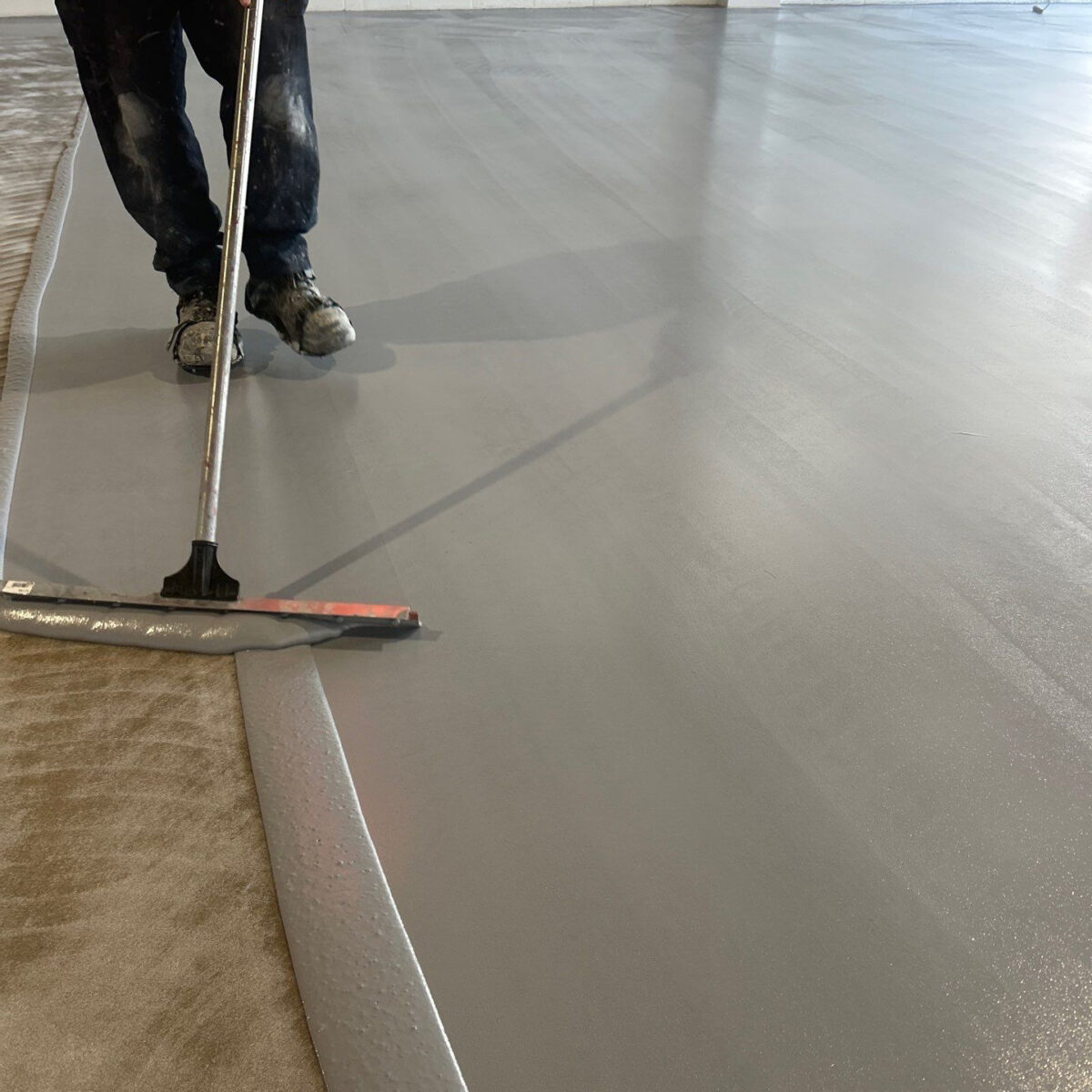
Polyaspartic coatings are fast-curing, high-performance floor systems often used in manufacturing environments. These coatings can be installed quickly and returned to service faster than traditional epoxy systems. They offer strong abrasion resistance, UV stability, and protection against chemical exposure. Polyaspartic coatings can also be enhanced with slip-resistant aggregates and line striping to improve traction and visual safety.
Safety Risks Caused by Poor Floor Conditions
Concrete surfaces in manufacturing plants endure constant stress. Forklifts, heavy equipment, chemical spills, moisture intrusion, and thermal expansion are just a few factors that weaken concrete. Without proper protection, it doesn’t take long for deteriorated concrete to affect safety and operations:
- Cracks cause uneven surfaces and tripping hazards.
- Spalling leaves rough, weakened areas that compromise structural integrity.
- Dust impacts air quality and contaminates sensitive production processes.
- Erosion causes instability beneath heavy equipment and along material handling pathways.
- Reactive maintenance leads to unplanned downtime and expensive injury claims.
How Industrial Floor Coatings Improve Safety
When installed correctly, the right floor coating mitigates many of the hazards associated with unprotected concrete. Here’s how industrial floor coatings improve safety in manufacturing plants:
- Slip resistance: Broadcasting silica sand, aluminum oxide, or quartz into the base coat enhances traction, reducing the risk of slips and falls in areas exposed to water or oil. Adding slip-resistant additives to the topcoat or using resins that cure to a lightly textured surface are other ways to support safe foot traffic and forklift movement.
- Chemical resistance: Floor coatings seal the substrate against acids, solvents, fuels, and cleaning agents. Chemical spills bead on the surface instead of soaking in, which prevents damaging the concrete slab. This containment allows for prompt cleanup and reduces employee exposure.
- Impact and abrasion protection: High-build epoxy systems protect the floor against dropped tools, pallet impacts, and rolling loads. Floors that resist cracking and spalling require fewer patchwork repairs.
- Improved visibility: Coatings can be color-coded and striped to clearly define pedestrian walkways, equipment zones, and hazardous areas.
- Hygienic surfaces: Seamless coatings eliminate pores and joints where bacteria and contaminants can accumulate. Facilities operating under strict sanitation requirements benefit from floors that are easier to inspect and clean.
- Moisture control: Vapor-mitigating systems reduce moisture transmission from below the slab. This prevents premature coating failure and decreases mold growth beneath the surface.
- Regulatory compliance: The Occupational Safety and Health Administration (OSHA) sets clear expectations for workplace safety. Installing floor coatings that help meet all of the above requirements is one way employers can provide safe working conditions. Complying with OSHA demonstrates responsible management, limits the risk of citations, lowers the likelihood of accidents, and reduces liability in legal claims.
Choosing the Right Coating for Your Facility
Selecting the best industrial epoxy floor coating or similar system requires a detailed assessment of your facility’s operational demands. One size does not fit all, so consider these factors when evaluating your options:
- Traffic load: Analyze forklift movement and static equipment loads. High-demand areas may require thick, reinforced coatings.
- Chemical exposure: Make sure the coating system you select is compatible with the acids, solvents, oils, and cleaning agents used in your facility.
- Temperature conditions: If your space experiences temperature extremes, urethane or polyurethane systems may perform best.
- Downtime constraints: Review the curing times required for different coatings. Some systems dry in just a few hours, while others take days. Phased installation is sometimes an option to minimize production interruptions.
- Long-term maintenance: Assess your preferred coating’s cleaning procedures and maintenance requirements. Prioritize consistent upkeep to extend the service life of your investment.
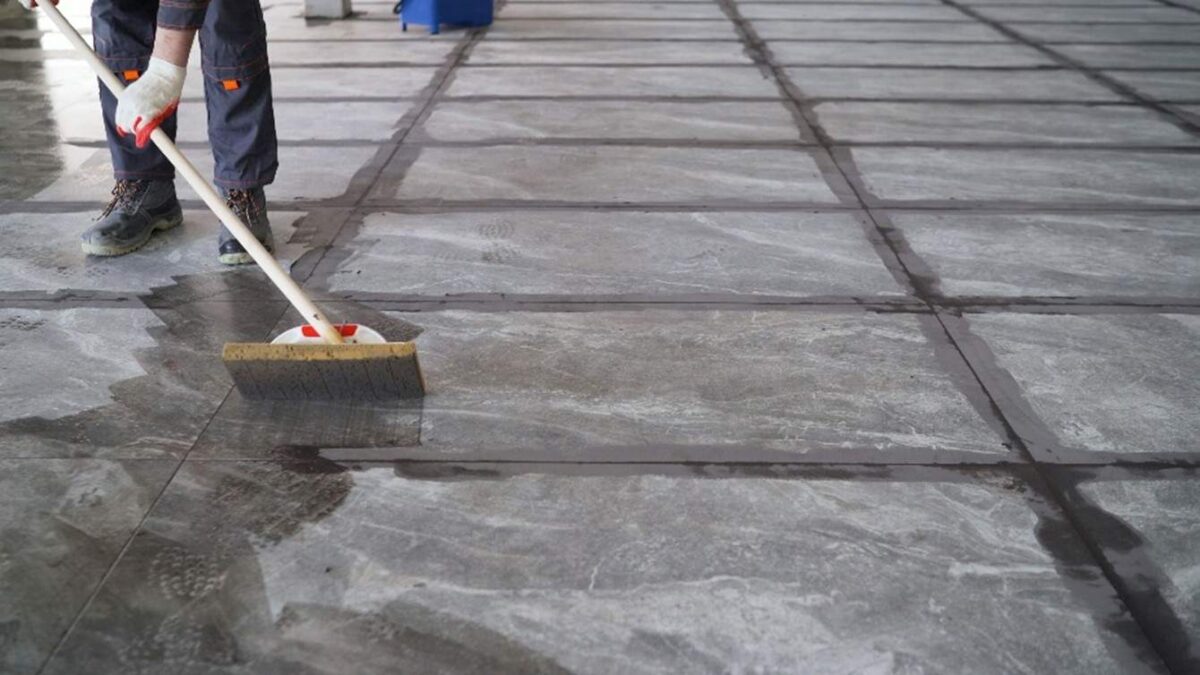
Professional surface preparation is just as important as the coating you choose. An experienced installation team will conduct moisture testing and determine whether a vapor mitigation primer is needed to prevent premature failure. Then, mechanical preparation, including grinding or shot blasting, creates the ideal surface for strong adhesion. Installers also account for joint treatment, substrate movement, and environmental controls to support long-term performance.
Promote Safety in Your Manufacturing Plant
MSC Floors has over 20 years of experience improving concrete floors in manufacturing plants across Michigan, Ohio, and Northern Indiana. We account for chemical resistance and mechanical wear before recommending coatings for high-performance manufacturing environments. Our team is obsessed with the customer experience, so expect a clean, organized process from planning through completion. Schedule a free site survey today to discuss how high-quality epoxy flooring solutions can improve the safety, sanitation, and appearance of your facility.