The Importance of Thermal Shock-Resistant Flooring in High-Temperature Manufacturing Facilities
April 6, 2026
Advanced Flooring Solutions for Preventing Electrostatic Discharge in Manufacturing Facilities
April 20, 2026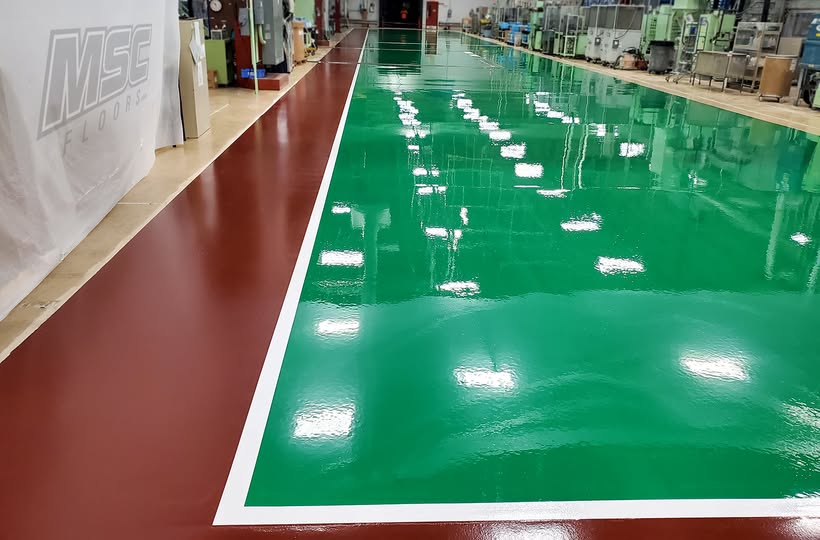
Epoxy vs. Polyurethane Floors in Industrial Applications
The benefits of adding epoxy or polyurethane flooring to your facility go far beyond cosmetic improvements. These structural systems protect the concrete slab, support daily operations, and improve safety, sanitation, and regulatory compliance. When choosing epoxy vs. polyurethane industrial floors, it helps to understand how each system performs in different conditions. Use the comparisons here to guide your decision.
Epoxy vs. Polyurethane: Composition & Installation
Epoxy Flooring
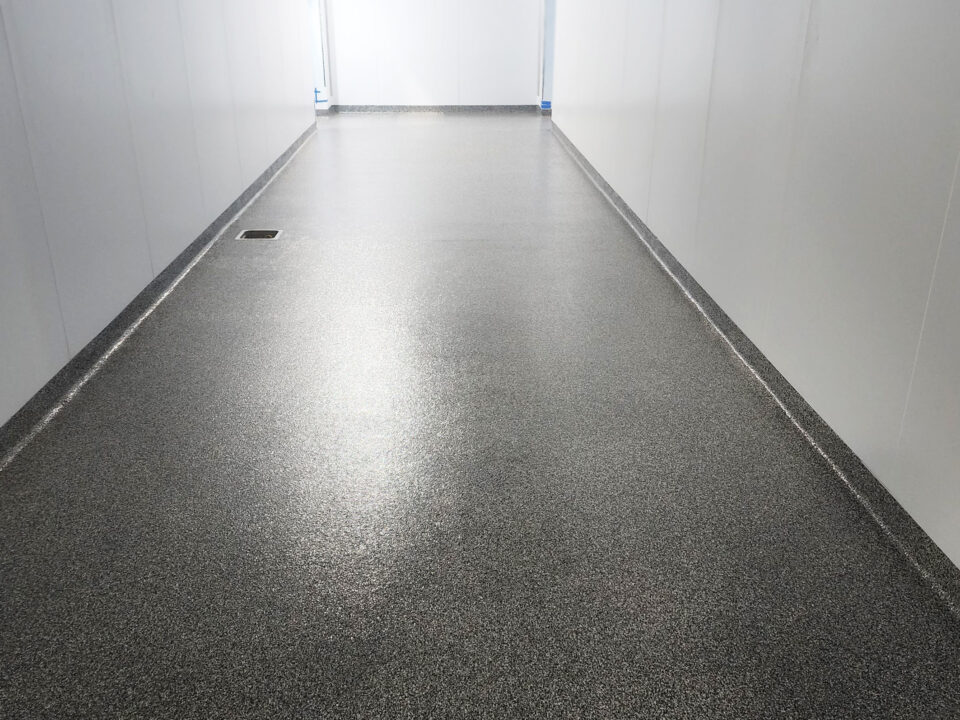
Industrial epoxy flooring consists of a two-part thermosetting resin system. Once mixed, the epoxy resins and hardeners undergo a chemical reaction that creates a rigid, cross-linked polymer matrix. This dense structure bonds tightly to properly prepared concrete.
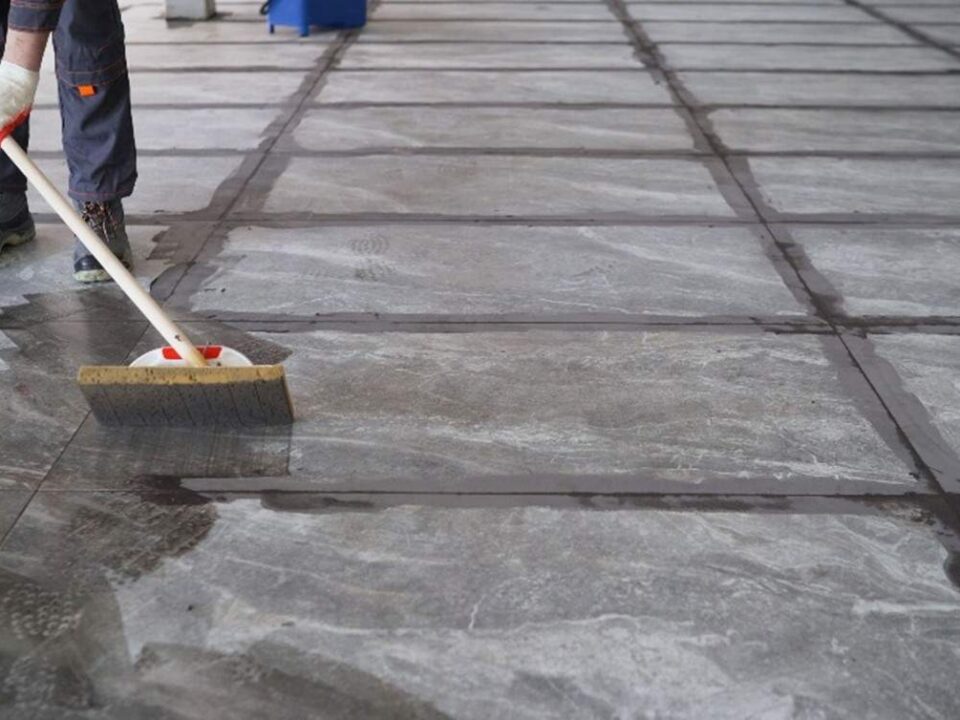
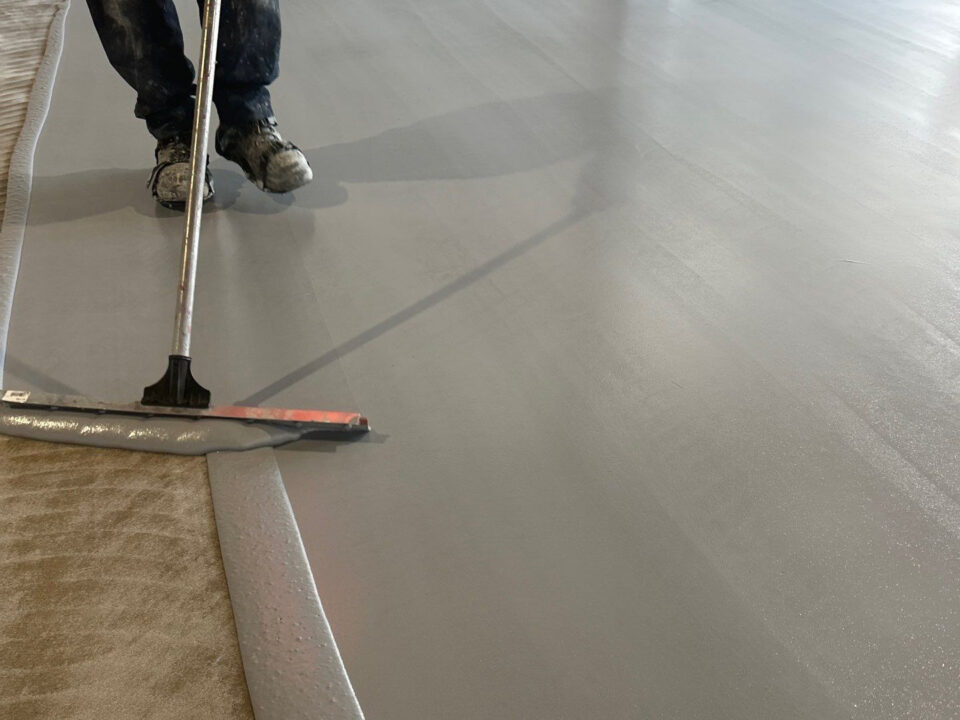
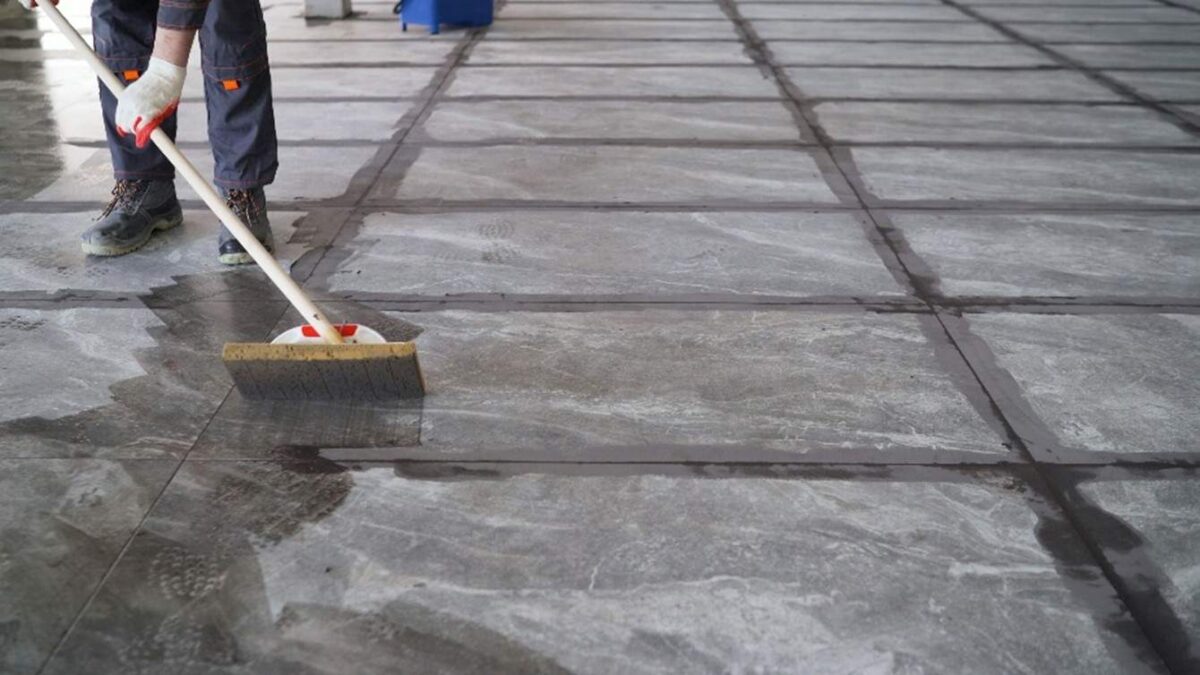
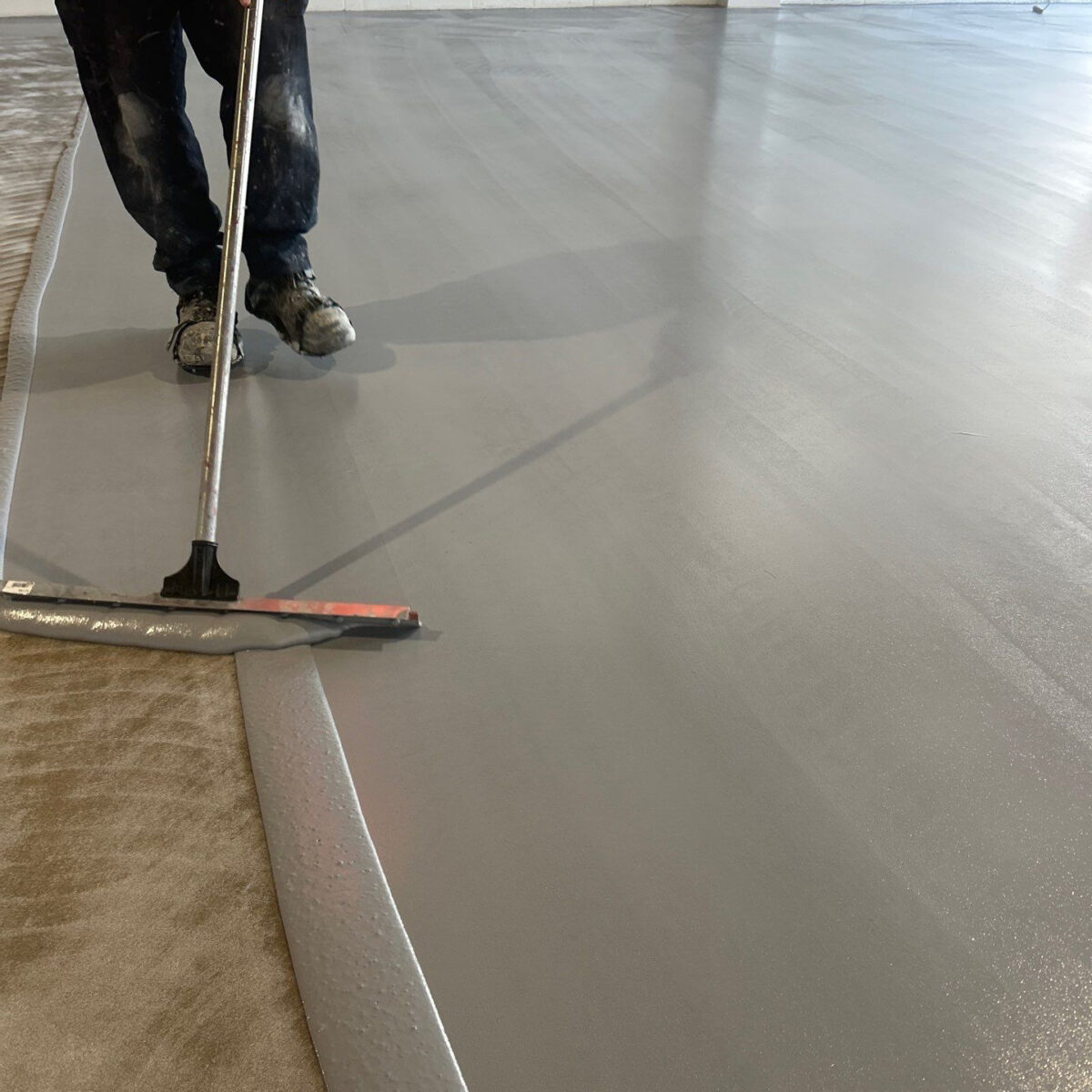
Epoxy flooring can be installed in varying thicknesses, from thin-film coatings to high-build and self-leveling systems. Cure times vary, but traditional epoxy installations typically require more downtime than polyurethane floors.
Polyurethane Flooring
Polyurethane flooring is a multi-component system based on polyurethane resins. In industrial settings, urethane mortar systems are common. These combine polyurethane binders with cement and graded aggregates to create a highly resilient surface.
Many urethane mortars can be installed at greater thicknesses in a single application. They also cure faster, making them well-suited for heavy-duty environments with tight installation timelines.
Epoxy vs. Polyurethane: Durability
Epoxy Flooring
Epoxy is known for its compressive strength and hardness, capable of handling heavy forklift traffic, abrasion from carts and machinery, rolling loads from pallet jacks, and static equipment weight. Its high compressive strength makes it ideal for warehouses and manufacturing facilities that require impact resistance. However, because epoxy is relatively rigid, it’s more susceptible to cracking if the underlying concrete shifts.
Polyurethane Flooring
Flexibility and impact resistance are two primary polyurethane flooring benefits. The material’s elastic properties absorb shock and vibration more effectively than epoxy, reducing the risk of cracking and delamination. Urethane mortar systems are particularly resistant to gouging and surface wear under aggressive conditions.
Epoxy vs. Polyurethane: Thermal Resistance
Epoxy Flooring
Standard epoxy systems perform best in climate-controlled environments. The rigidity of cured epoxy means it expands and contracts at a different rate than concrete, which makes it less tolerant of extreme thermal shock. High-temperature epoxy formulations are available, but they are still less resilient to rapid temperature cycling than polyurethane systems.
Polyurethane Flooring
Urethane mortar systems have a coefficient of thermal expansion similar to that of concrete, which allows for expansion and contraction without cracking. This makes polyurethane an excellent option for commercial kitchens or food processing plants with hot water washdowns, as well as for areas that transition between freezing and room temperature.
Epoxy vs. Polyurethane: Chemical Tolerance
Epoxy Flooring
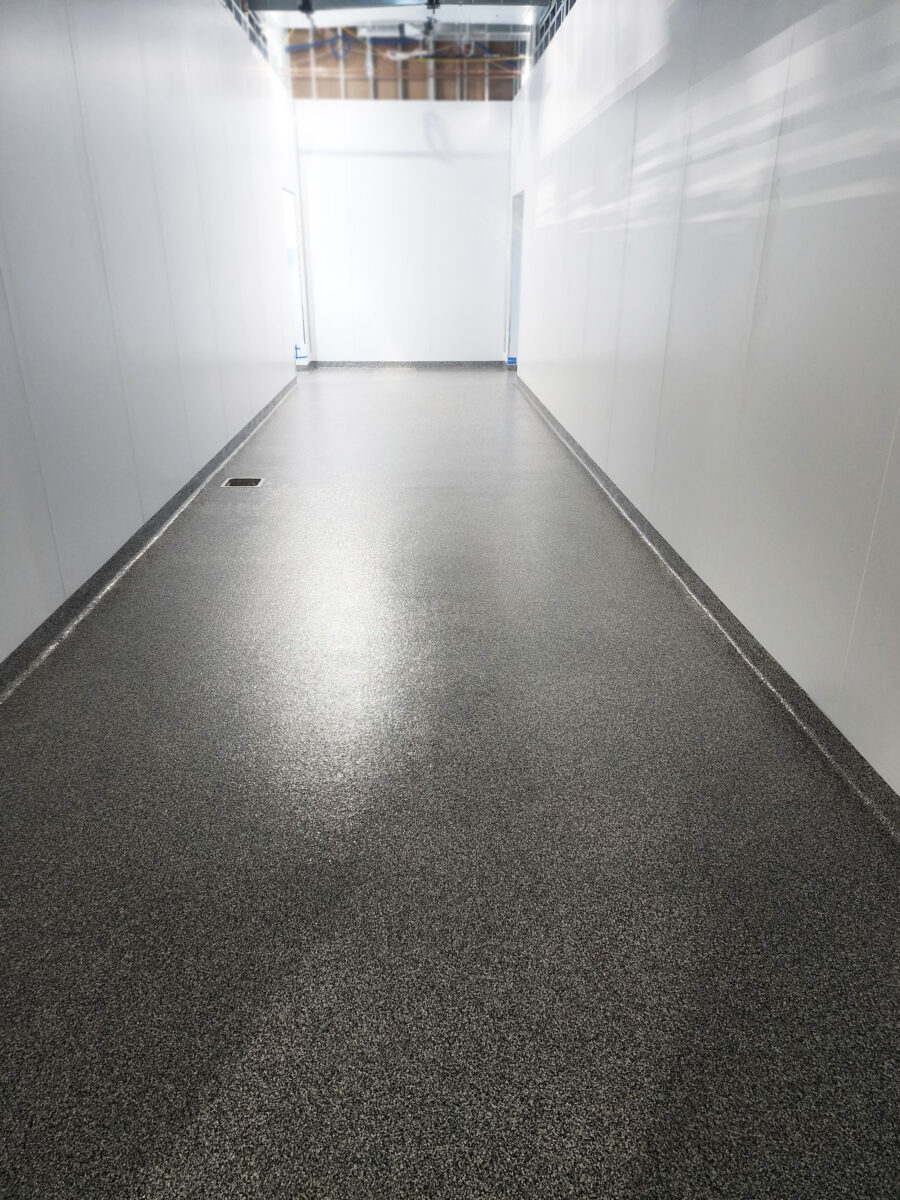
Industrial epoxy is resistant to oils, fuels, solvents, and certain acids. Its dense, non-porous surface reduces absorption and protects the underlying concrete from contamination. As a result, epoxy systems are widely used in manufacturing plants, auto shops, and storage areas, where chemical spills are controlled and promptly cleaned up. Just keep in mind that prolonged exposure to harsh acids can challenge standard epoxy formulations.
Polyurethane Flooring
Polyurethane systems are more resistant to certain aggressive chemicals. This type of flooring is often specified for chemical processing facilities because it tolerates organic acids, caustic cleaning agents, solvents, and high-temperature chemical washdowns more effectively. When choosing epoxy vs. polyurethane industrial floors, let the severity and frequency of chemical exposure guide your decision.
Epoxy vs. Polyurethane: Maintenance Requirements
Epoxy Flooring
Epoxy floors are relatively easy to clean thanks to their smooth, seamless surface. Routine maintenance includes sweeping or dust mopping, mechanical scrubbing, and prompt cleanup of chemical spills. Periodic inspections also help identify wear in high-traffic areas, allowing time for targeted recoating before the concrete deteriorates.
With proper maintenance and timely touch-ups, industrial epoxy flooring can last many years. High-build and self-leveling systems provide the longest service life in industrial settings.
Polyurethane Flooring
Polyurethane systems are similarly easy to care for but tend to maintain surface integrity longer in heavy industrial or food-grade environments. This may justify the higher upfront cost in facilities that demand a lot from their floors.
Choosing the Best Flooring for Your Environment
Are you still deciding between epoxy flooring vs. polyurethane flooring? The right system depends on how your facility operates day to day.
Epoxy flooring may be the right fit if:
- Your warehouse or plant is climate-controlled.
- The concrete in your facility is not prone to movement.
- Chemical exposure is moderate and controlled.
- You need a durable solution that fits within your budget constraints.
Polyurethane flooring may be preferable if:
- Your operation involves hot water washdowns or steam cleaning.
- Thermal cycling occurs frequently.
- Organic acids or aggressive cleaning agents are present.
- Impact resistance and flexibility are top priorities.
Schedule an Industrial Floor Evaluation Today
Now that you know how epoxy flooring and polyurethane flooring compare, you may be ready to move forward with your installation. MSC Floors has over 20 years of experience transforming concrete surfaces across Michigan, Ohio, and Northern Indiana. We can evaluate your facility’s substrate condition, moisture levels, chemical exposure, and traffic patterns before recommending the best solution. Every flooring system we install is designed to meet operational demands, regulatory standards, and long-term maintenance goals. Contact us today to request a free site survey.
FAQs
How long does epoxy flooring vs. polyurethane flooring installation take?
Most projects require partial shutdowns ranging from one to several days, depending on the flooring type and thickness. In general, epoxy has longer curing times than polyurethane. Phased installations help minimize the disruption.
Can existing coatings be installed over without removal?
In some cases, new coatings can be applied over existing systems. Before proceeding, your installer will assess the condition of the current coating, perform adhesion testing, and complete surface preparation to ensure a long-lasting bond.
Are slip-resistant options available for epoxy or polyurethane flooring?
Yes. Aggregates can be broadcast into epoxy or polyurethane systems to achieve the necessary slip resistance.
Do floor coatings affect indoor air quality?
Low-VOC formulations are available for both epoxy and polyurethane systems. Reducing volatile organic compound emissions supports compliance with indoor air quality standards.
How do I know if my concrete slab is suitable for coating?
Your installer will check moisture levels, examine the surface profile, and look for cracks or structural issues to determine whether the slab is ready for coating or needs repairs first.