The Science Behind Antimicrobial Flooring for Food Processing Plants
March 16, 2026
The Importance of Thermal Shock-Resistant Flooring in High-Temperature Manufacturing Facilities
April 6, 2026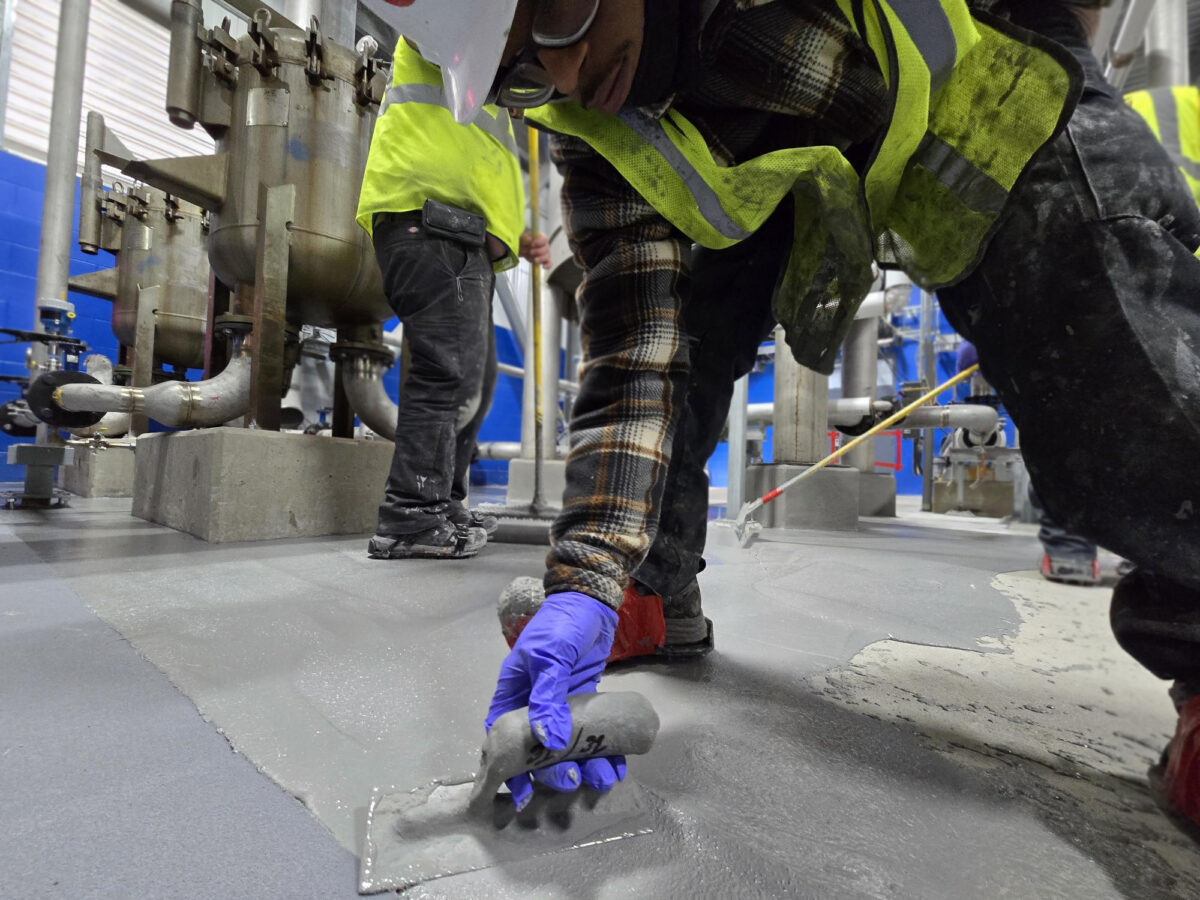
Best Durable Flooring for Heavy Equipment
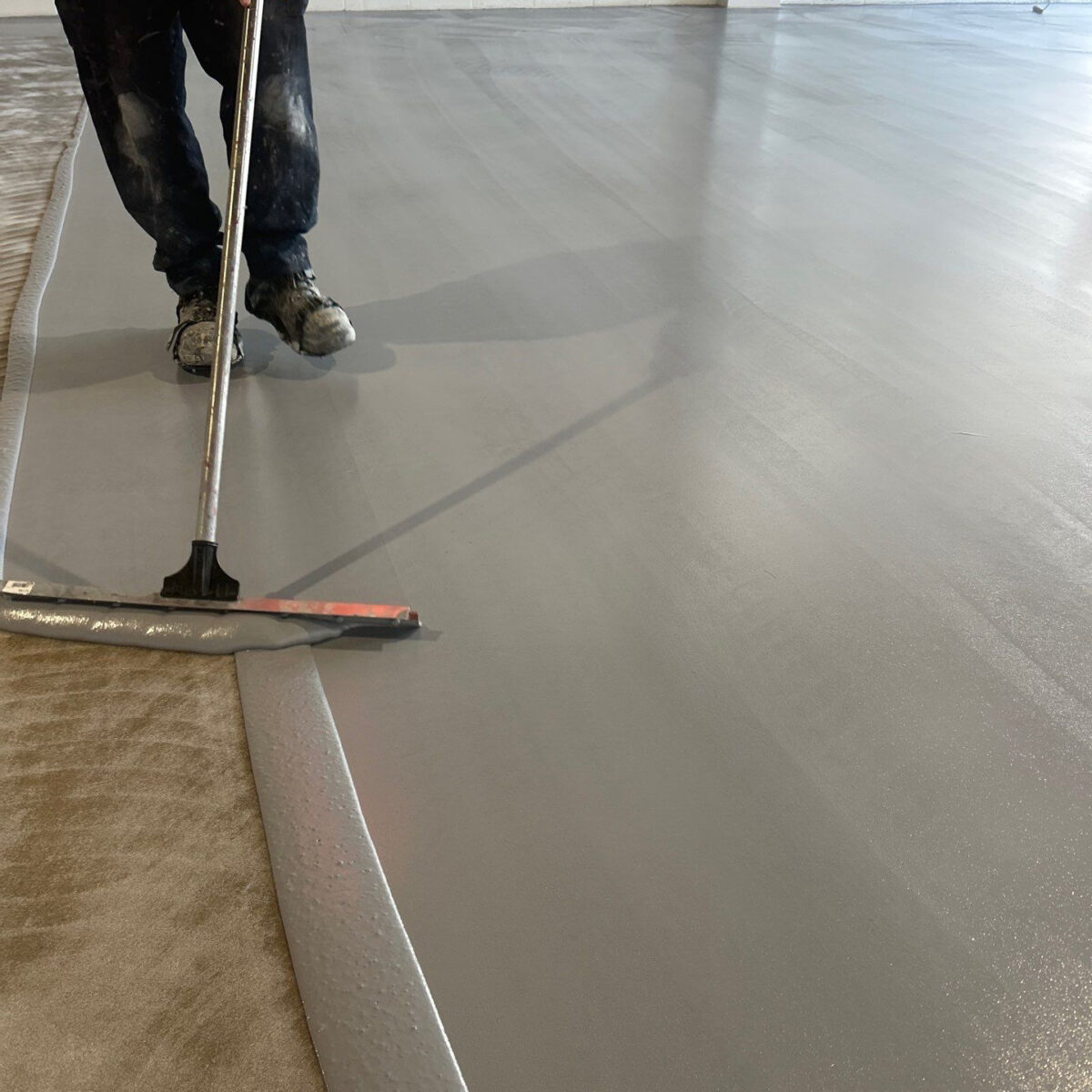
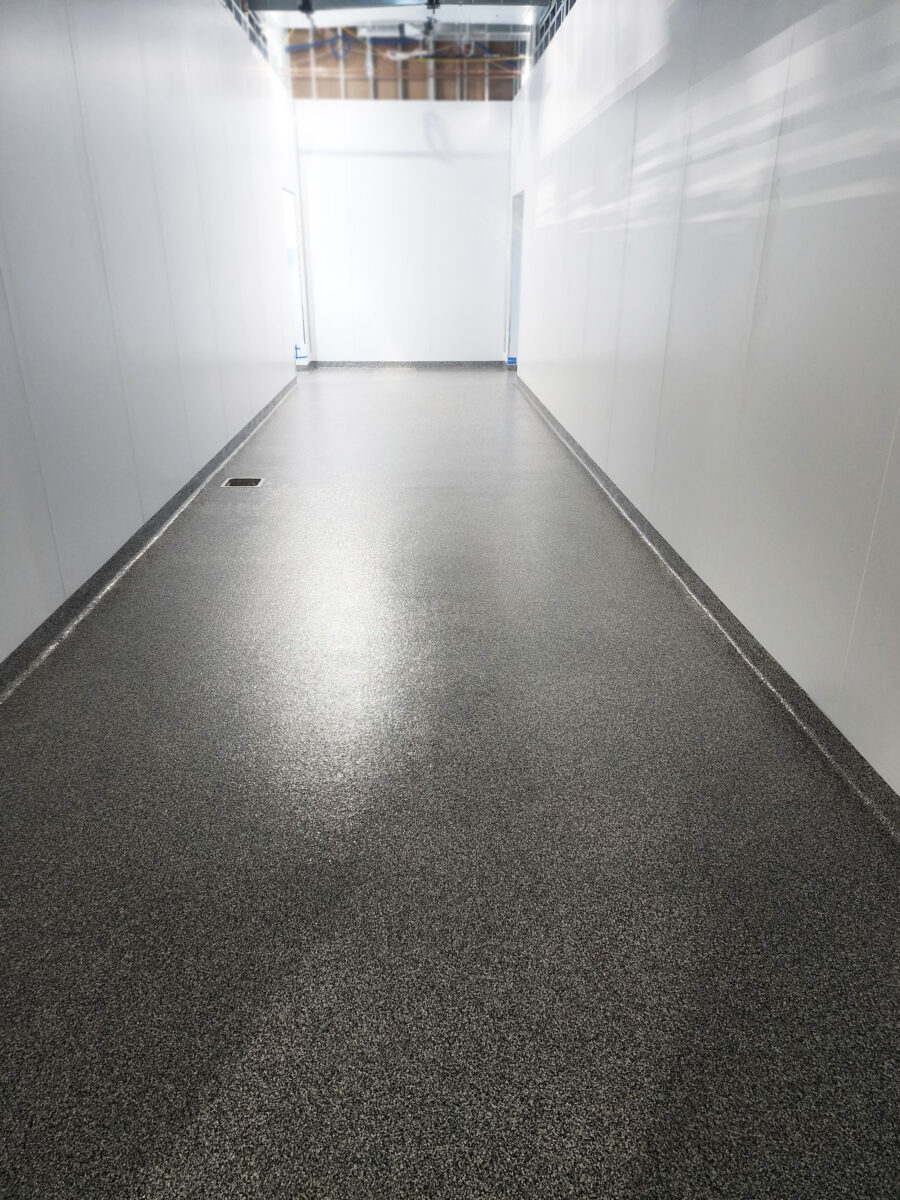
Heavy machinery doesn’t wear out a floor all at once—it chips away at it slowly. Friction from forklift tires, oil drips at maintenance bays, and constant vibrations along production lines gradually damage industrial flooring until it needs to be repaired or replaced. Installing durable flooring for heavy equipment is the best way to protect the concrete slab and reduce patch-and-repair cycles that disrupt operations.
Requirements for Heavy-Machinery Flooring Solutions
Choosing the right flooring option starts with matching performance to your facility’s operations. Here are the most common performance requirements for flooring in warehouses or other facilities with heavy equipment:
- Impact and compressive strength to withstand dropped tools, pallet impacts, and point loads from equipment feet
- Abrasion resistance to tolerate forklifts and steel-wheel carts
- Chemical resistance to avoid staining or softening when exposed to oil, coolant, battery acid, and cleaning agents
- Traction to reduce slip and fall hazards
- Seamless application to eliminate grout lines and joints
- Compatibility with your cleaning routine, which may include scrubbing, detergents, and washdowns
Top 5 Flooring Solutions
The best flooring is rarely the same across an entire industrial facility. Instead, building managers may select the hardiest builds for equipment corridors, textured finishes for wet areas, and fast-curing options for critical lanes. Consider five of the best flooring options for manufacturing plants with heavy machinery.
1. Epoxy Flooring
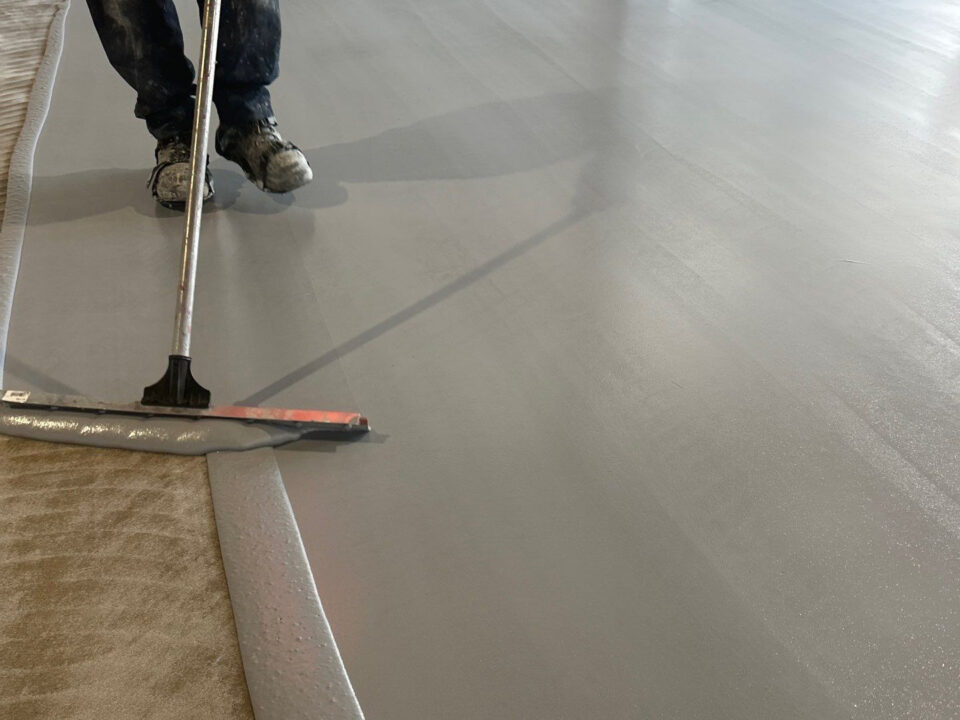
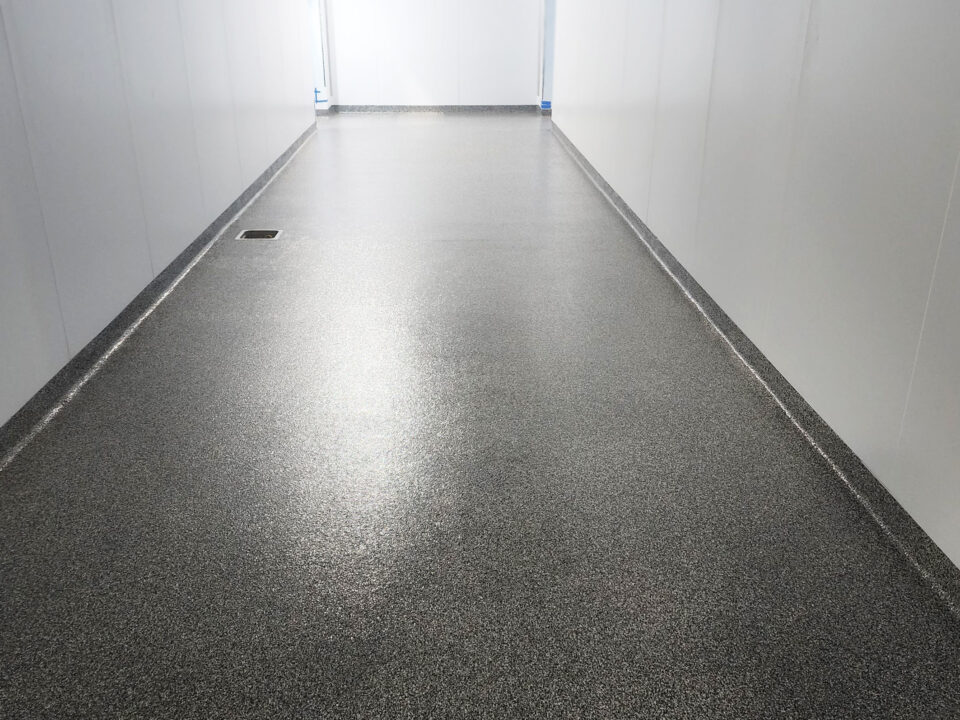
Epoxy systems are one of the most popular heavy-machinery flooring solutions. High-build and mortar epoxy floors provide the best impact and compressive strength for production floors, forklift lanes, and maintenance areas, all while remaining easy to clean and maintain.
2. Polyaspartic Coatings
Polyaspartic systems provide strong abrasion resistance, stain protection, and a clean finish that supports demanding warehouse operations. This durable flooring for heavy equipment is frequently selected to minimize downtime. It cures faster than many traditional systems and can be used as a standalone coating or as a high-performance topcoat over epoxy.
3. Urethane Cement
Urethane cement is one of the strongest flooring options for demanding environments with temperature swings, wet cleaning, and aggressive chemical exposure. Its performance-driven design makes it well-suited for process areas, washdown zones, maintenance bays, food and beverage processing areas—anywhere performance matters more than a showroom look.
4. Methyl Methacrylate (MMA) Flooring
MMA coatings are often used in cold storage areas and operations that cannot shut down for extended periods. Their fast curing times allow facilities to restore critical lanes or production zones within a matter of hours rather than days.
5. Polyurea Systems
When paired with proper surface preparation and primers, polyurea systems are among the best flooring options for warehouse facilities with heavy equipment. These tough, flexible coatings prevent premature wear in areas exposed to repeated impact, vibration, and heavy rolling traffic.
Installation & Operational Considerations
Even premium systems can underperform if the installation process is rushed. Plan around the following:
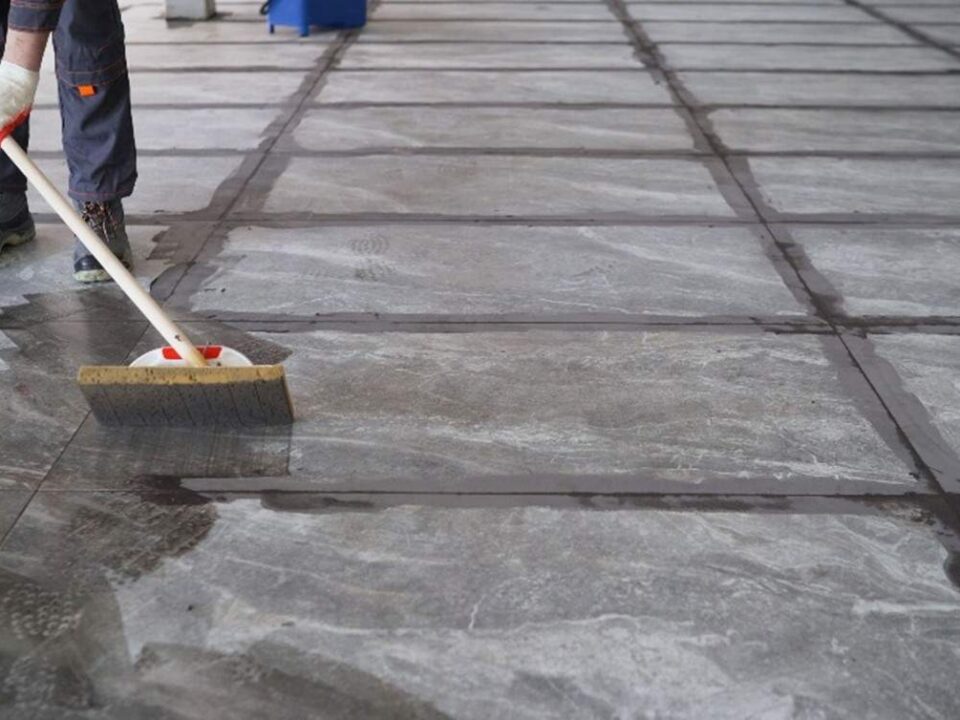
- Surface preparation: Crews may grind or shot-blast the concrete to remove weak surface layers and build the texture profile needed for strong adhesion.
- Moisture testing and control: Technicians check slab moisture so the selected system won’t blister or delaminate after installation.
- Joint and crack repair: Joints and cracks may be filled or rebuilt to prevent weak points under the coating.
- Traction planning: Wet zones should use a more textured, slip-resistant finish. Meanwhile, the main aisles can remain smoother for easier cleaning and smoother rolling traffic.
- Curing time: Work can be completed in phases to reduce downtime. Wait until the floor is fully cured before resuming traffic.
Explore Our Heavy-Machinery Flooring Solutions
Your facility needs flooring that matches your loads, cleaning routines, and uptime expectations. MSC Floors has over 20 years of experience installing systems that perform well in high-pressure settings. Our technicians have an in-depth understanding of chemical resistance, mechanical wear, and OSHA safety standards. If you’re in Michigan, Ohio, or Northern Indiana, we would be proud to be your customer-focused contractor from beginning to end! Contact us to schedule floor coating services.
FAQs
Can you install a new system over an existing coating?
Often, yes. Your installer will test for adhesion and contamination, then determine whether the existing floor can be mechanically prepped and recoated or if it needs to be removed first.
How do you handle joints that are already breaking down?
We typically rebuild and protect damaged joints to reduce edge failure. The repair method we use depends on traffic levels and slab condition.
Can you install floors of different traction levels across the building?
We can accommodate requests for slip-resistant flooring in wet or spill-prone areas and smoother finishes in main lanes.
Do you offer chemical-resistant flooring systems?
We match systems to the chemicals you use most, including spill-prone fluids and the cleaners you rely on for sanitation.
Can you add ESD protection for sensitive equipment areas?
Yes. We can design conductive or electrostatic-dissipative systems for specific rooms or production areas requiring static control.
How do you minimize disruption during installation?
We can recommend fast-curing solutions and schedule installation in phases to reduce interruptions.