How to Choose the Right Flooring for High-Traffic Manufacturing Facilities
March 9, 2026
Top 5 Flooring Solutions for Facilities with Heavy Machinery and Equipment
March 23, 2026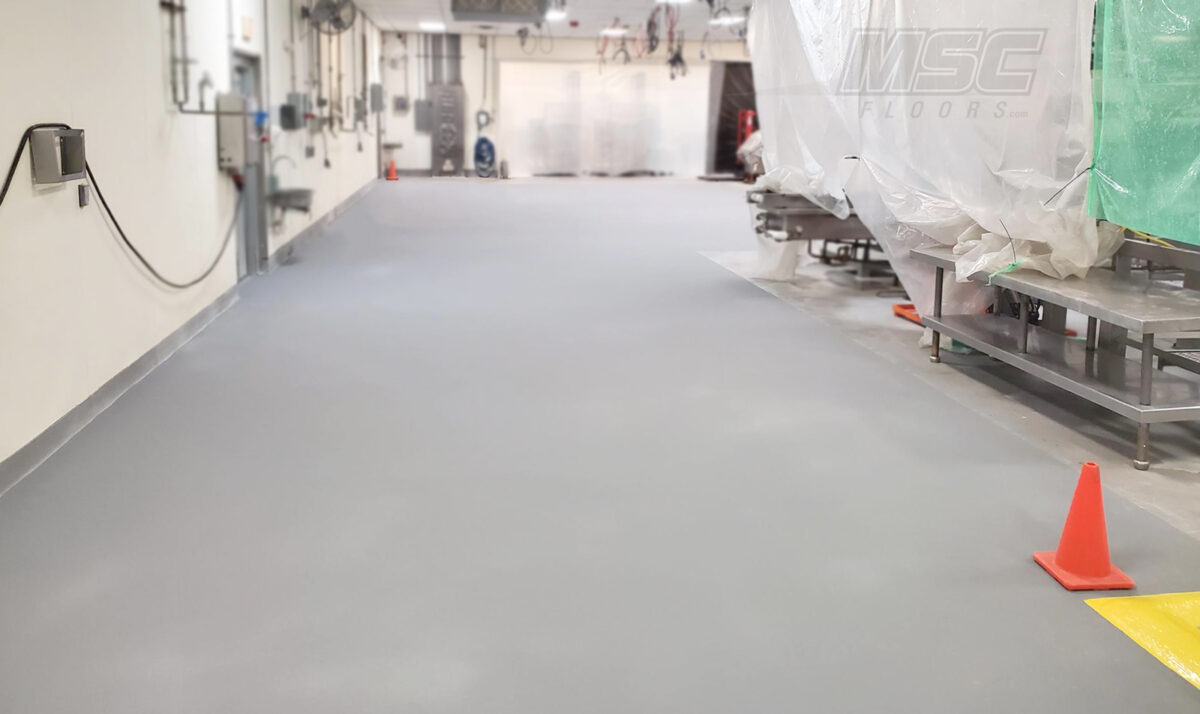
How Does Food-Grade Antimicrobial Flooring Work?
Food processing plants operate under constant pressure to protect products, meet strict hygiene regulations, and maintain profitable production. Every surface in your facility contributes to that mission, including the floors. Antimicrobial flooring is scientifically engineered to withstand the operational demands unique to the food and beverage industry while controlling contamination risks.
What Makes Flooring Antimicrobial?
Resinous food-grade flooring systems are designed to inhibit the growth of bacteria, mold, and fungi. Consider the antimicrobial properties of this special flooring:
- Antimicrobial agents: Many antibacterial flooring systems incorporate antimicrobial agents into the resin matrix. These additives, often based on silver-ion or similar technologies, disrupt how bacteria grow and reproduce. Since the agents are distributed throughout the material, they continue to work even as the floor wears down.
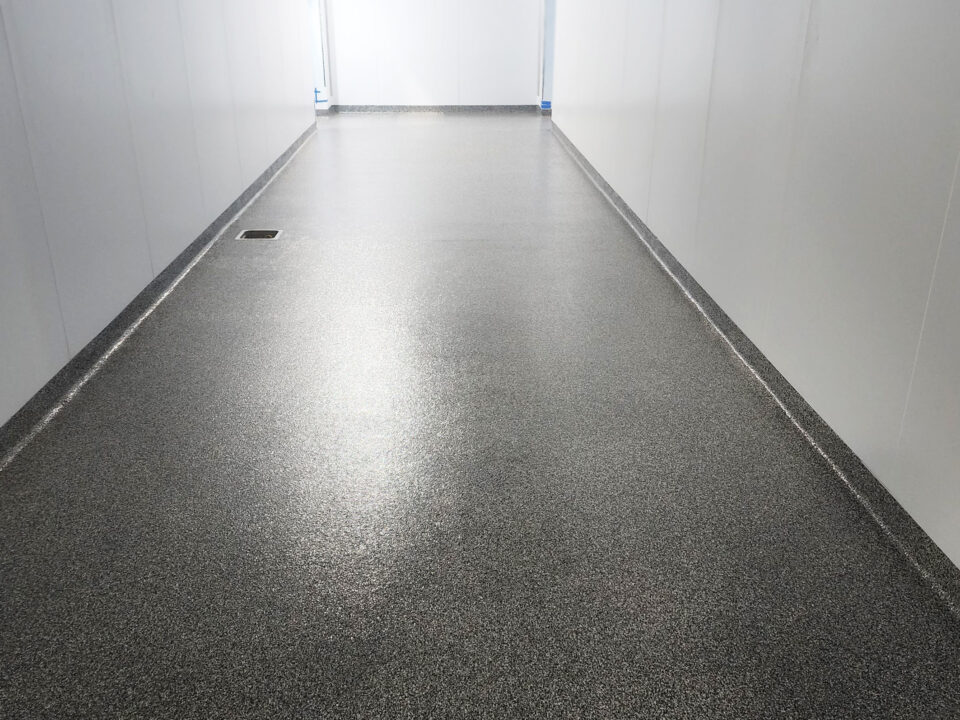
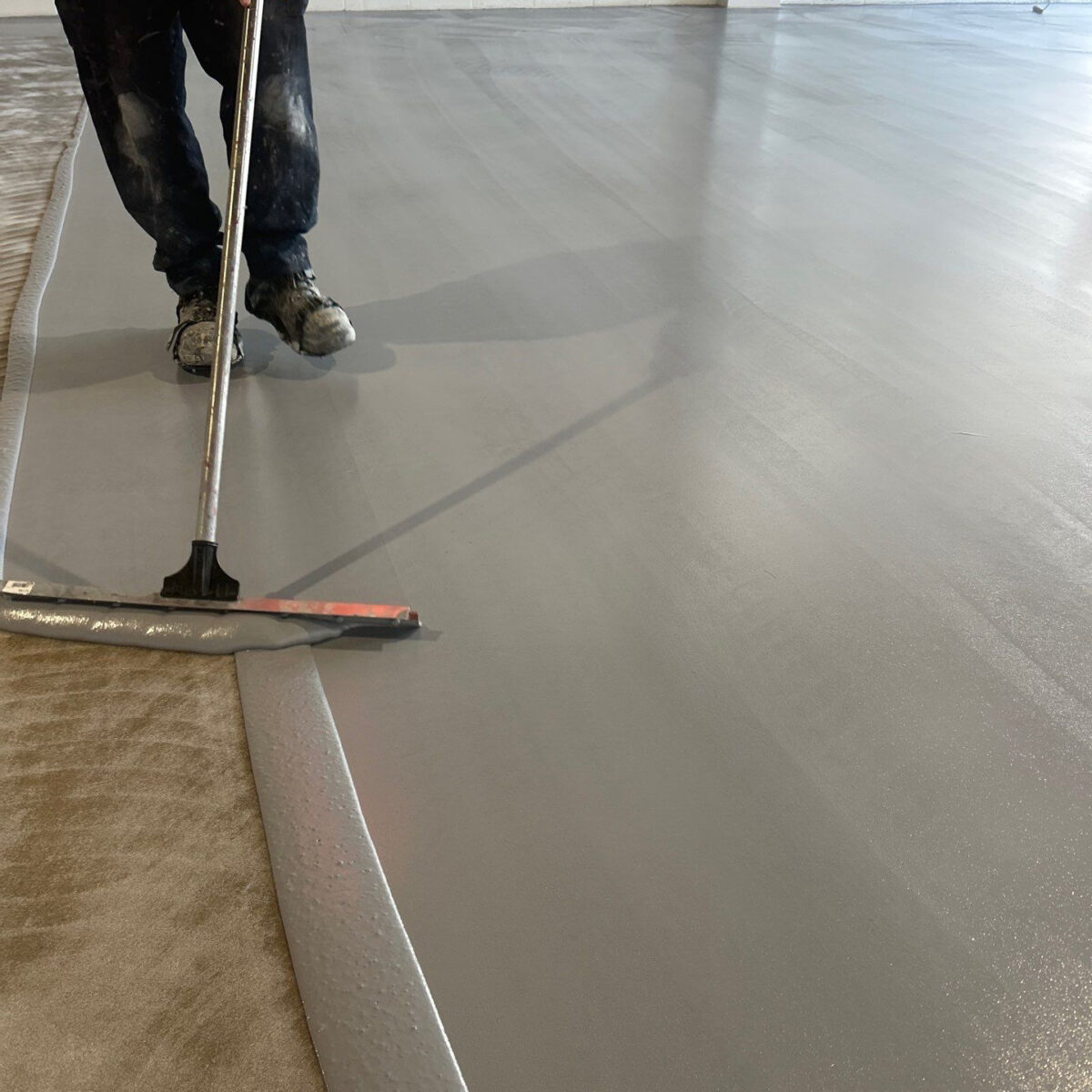
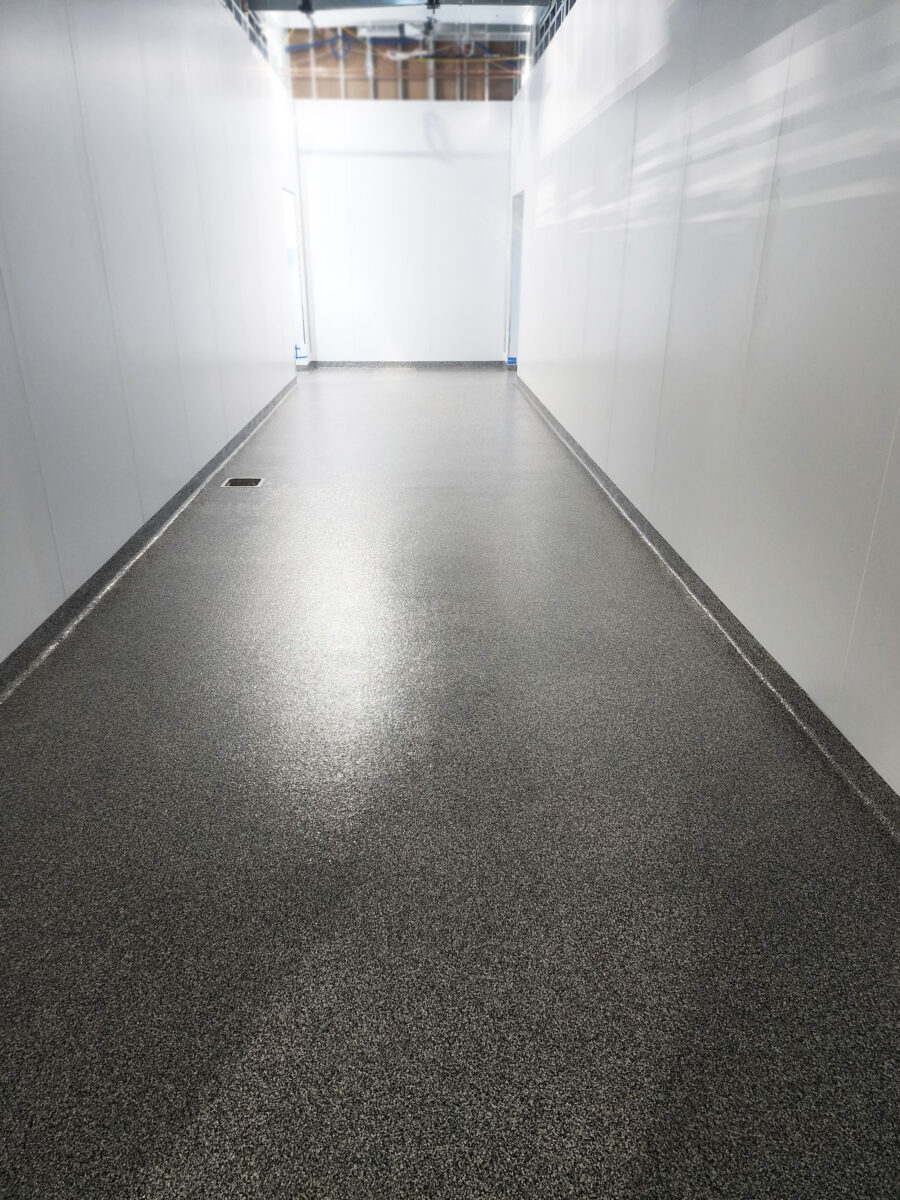
- Seamless construction: Resinous systems cure into an uninterrupted, non-porous barrier. With no grout lines or joints, there are fewer places for organic debris and pathogens to accumulate.
- Surface texture: Installers balance slip resistance and cleanability. This way, workers have a solid footing in wet areas, but the surface remains smooth enough to clean easily.
How Antimicrobial Flooring Promotes Food Safety
Food-grade flooring solutions support your sanitation efforts by improving cleaning efficiency and reducing contamination risks between washdowns. Here’s how:
- Inhibits microbial growth: Integrated antimicrobial agents reduce the ability of bacteria and fungi to multiply.
- Gets rid of hiding spots: Seamless construction eliminates joints where food particles and moisture can collect.
- Resists chemicals: Flooring for food safety is designed to withstand hot oils, animal fats and blood, sugar, and acids without degrading.
- Controls moisture: Dense, non-porous systems reduce water penetration to prevent microbial growth beneath the coating.
- Tolerates thermal shock: Flexible food-grade flooring solutions resist cracking when exposed to rapid temperature changes from hot washdowns and cold storage.
Flooring Requirements for Food Facilities
The FDA and USDA expect floors in food environments to meet certain criteria, including:
- Cleanability: Surfaces must be smooth, non-porous, and free of defects to allow thorough cleaning and sanitizing.
- Durability: Heavy forklifts, pallet jacks, carts, and other equipment demand a system that resists impact and abrasion without degrading.
- Chemical resistance: Floors must tolerate exposure to food byproducts and cleaning agents without softening or delaminating.
- Proper drainage: Floors should slope toward drains to prevent standing water, which creates a breeding ground for microbes and increases slip hazards.
- Documented compliance: Many facilities are required to show documentation confirming that flooring materials meet USDA guidelines for food environments.
Types of Antimicrobial Flooring Systems
Antimicrobial flooring is engineered to meet FDA and USDA performance requirements. Several resinous systems fit the bill, but the right flooring for your facility depends on traffic levels, cleaning methods, operating temperatures, chemical exposure, and production schedule. Here are the top choices:
- Epoxy flooring with antimicrobial additives: High-build epoxy systems can be enhanced with antimicrobial agents. These floors offer strong chemical resistance and are often used in packaging areas, storage rooms, and dry processing spaces.
- Urethane cement flooring: This system combines cementitious materials with urethane resins to create a thick, highly durable surface. Urethane cement performs exceptionally well in areas exposed to thermal shock, heavy impact, and moisture.
- MMA flooring: Methyl methacrylate systems cure quickly, even in low temperatures, making them well-suited for facilities that cannot afford extended downtime.
- Quartz or broadcast systems: These floors contain embedded aggregate to create a textured, slip-resistant surface. When paired with antibacterial technology, they improve hygiene and traction in wet environments.
Protect Your Facility with Proven Antimicrobial Flooring
Antimicrobial flooring is a must in any food and beverage processing facility. MSC Floors is here to help you protect your products, boost operational efficiency, and maintain regulatory compliance. We have over 20 years of experience transforming concrete surfaces in demanding industrial settings. Our crews are trained in FDA and USDA food-grade flooring standards, so you can trust us to install a compliant system. If your Michigan, Ohio, or Northern Indiana facility is ready to upgrade to better flooring for food safety, please contact us today for a free site survey.
FAQs
How long does antimicrobial flooring last?
With proper installation and maintenance, many resinous systems perform well for 10 to 20 years, depending on traffic levels and chemical exposure.
Can installation be completed during a short shutdown?
Certain systems, particularly MMA flooring or mortar flooring, cure rapidly and are well-suited for tight production schedules. Even longer-curing systems can be installed in phases or during scheduled shutdowns to minimize downtime.
Does antimicrobial flooring replace regular cleaning?
No. The antibacterial properties reduce microbial growth between cleanings but do not eliminate the need for routine washdowns and disinfecting.
Will antimicrobial flooring hide existing slab damage?
For proper adhesion and long-lasting performance, msc floors will repair the concrete slab before installing a new flooring system.
How do I know which flooring is right for my facility?
The results of a professional site evaluation will determine whether epoxy, epoxy mortar, urethane cement, MMA, or another flooring solution best fits your needs. Factors such as cleaning routine, what solvents are going to be used on the floor, as well as temperature of water used in daily cleaning procedures all are important.