
How the Right Industrial Flooring Ensures OSHA Compliance
March 2, 2026
The Science Behind Antimicrobial Flooring for Food Processing Plants
March 16, 2026
Flooring Solutions for High-Traffic Manufacturing
Industrial floors take a beating. Heavy machinery, constant traffic, chemical spills, and temperature swings all push concrete slabs to their limit. Selecting the best flooring for your manufacturing facility requires a clear understanding of the environment and a practical long-term plan to ensure ongoing performance.
The Realities of High-Traffic Manufacturing
Daily shifts in manufacturing facilities introduce new stressors that can shorten the life of unprepared surfaces. Here’s what your flooring is up against:
- Chemical exposure: Oils, solvents, acids, and cleaning agents can penetrate unprotected concrete, causing contamination and deterioration. Facilities that handle food and beverages, pharmaceuticals, or automotive components face the strictest sanitation and chemical-resistance requirements.
- Temperature extremes: Hot water washdowns, steam cleaning, molten materials, and open dock doors in winter cause repeated expansion and contraction. Flooring that can’t handle thermal shock will crack or delaminate before long.
- Machinery traffic and high impact: Forklifts, pallet jacks, steel-wheeled carts, and heavy production equipment exert thousands of pounds of force on your floors. Repeated impact from dropped tools or materials can also chip weak coatings.
- Moisture: Groundwater vapor transmission, routine washdowns, and humid production processes can compromise coatings that are not designed for damp conditions.
- Slip hazards: Smooth, worn concrete becomes slick when exposed to liquids or fine dust. Without a flooring system engineered for traction, the risk of injuries and insurance claims goes up.
Best Flooring Materials for High-Traffic Facilities
No single industrial flooring solution works in every application. Here are several of the best flooring materials for high-traffic manufacturing facilities.
Epoxy Flooring Systems
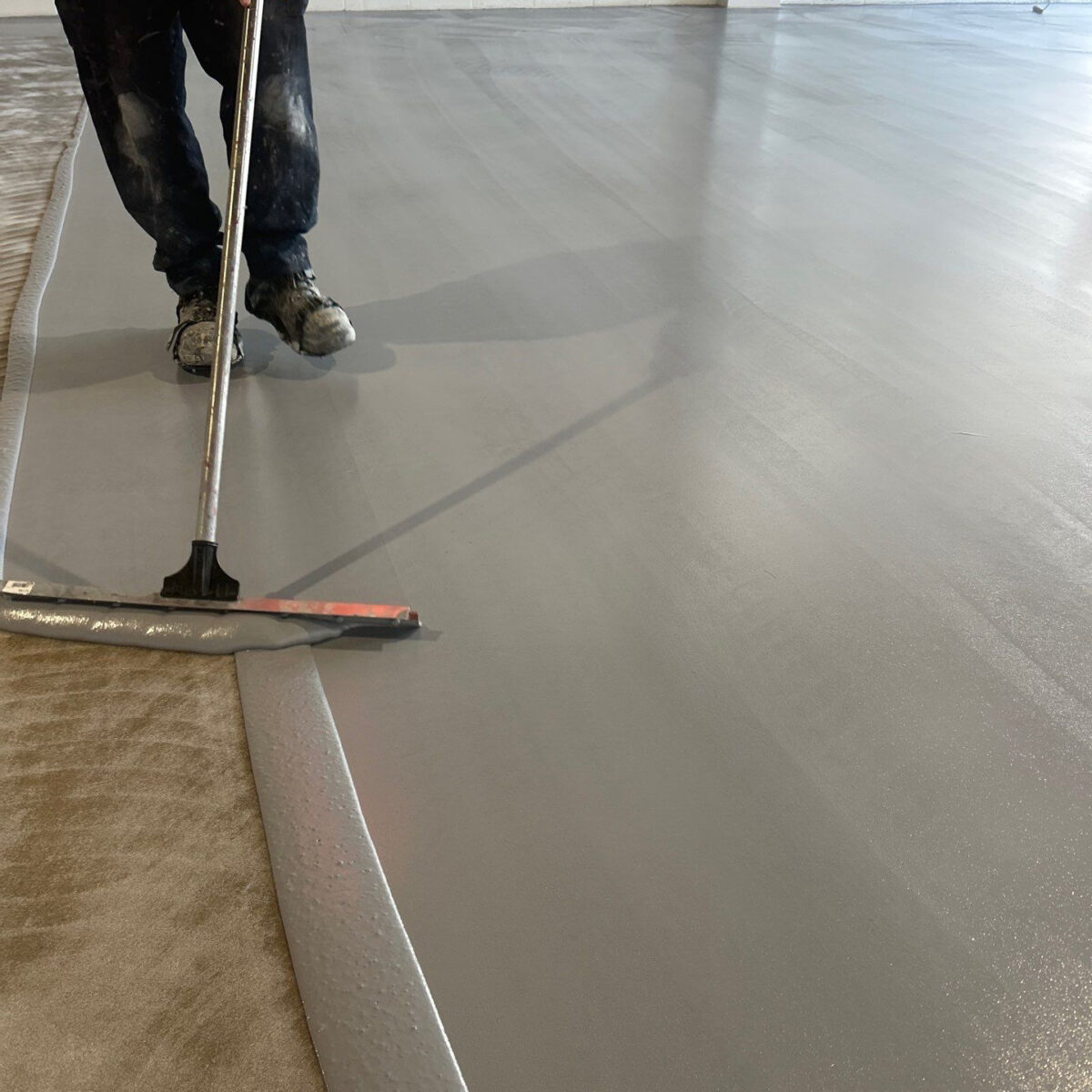
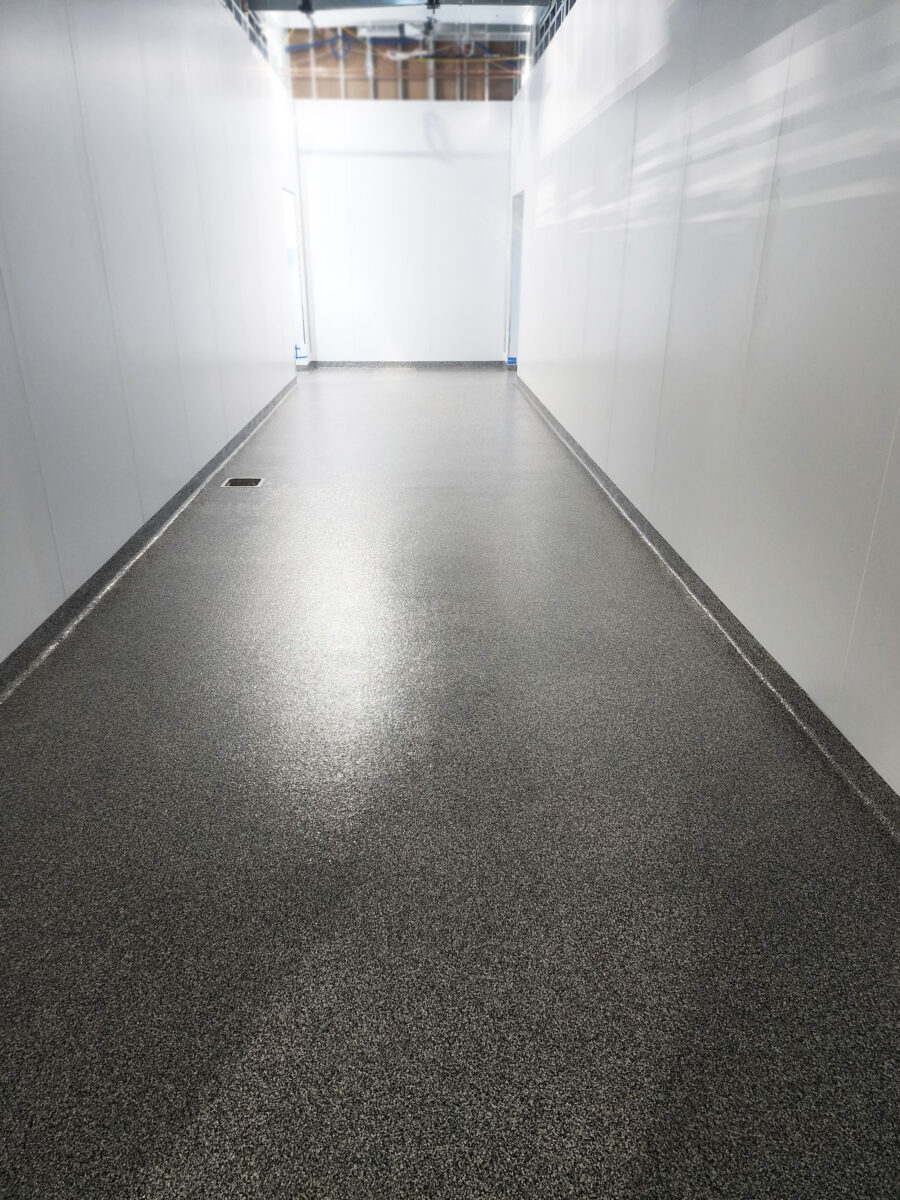
High-build epoxy flooring is a popular choice for manufacturing environments due to its strength and versatility. It creates a dense, non-porous surface that resists abrasion and many chemicals. It also improves brightness with light-reflective finishes and can incorporate safety striping and textured aggregates for slip resistance.
Epoxy performs well in assembly, packaging, and warehouse areas with steady temperatures and moderate chemical exposure. Be aware that standard formulations yellow when exposed to UV light and become brittle under extreme thermal shock.
Urethane Cement Flooring
Urethane cement is designed for harsh environments, making it among the best materials for durable flooring in high-traffic manufacturing facilities. It withstands thermal shock and aggressive chemicals better than many other coatings. Its flexibility allows it to move with the concrete, reducing cracking and delamination under these extreme conditions.
Urethane cement systems are ideal for food processing, heavy manufacturing, and facilities with frequent temperature swings. Note that installation requires skilled crews and careful surface preparation. The initial investment is also higher than that of traditional epoxy coatings.
Polyurethane Coatings
Polyurethane topcoats are typically part of a multi-layer approach, enhancing the UV stability, chemical resistance, and impact tolerance of epoxy or other base layers. Polyurethane performs well in areas exposed to sunlight, cleaning chemicals, and heavy traffic.
MMA Flooring Systems
Methyl methacrylate (MMA) flooring systems boast rapid cure times and dependable performance in demanding environments. These systems can be installed in cold conditions and returned to service within hours, making them ideal for 24/7 operations or phased renovations.
MMA offers strong chemical resistance and can be applied at varying thicknesses to accommodate your anticipated traffic and impact levels. Installation should always be handled by experienced professionals. The material produces a noticeable odor during application and requires proper ventilation and protective equipment to ensure a safe working environment.
Partner with a Flooring Team That Understands Your Facility
Choosing the best materials for durable flooring in high-traffic manufacturing facilities isn’t always easy. If you feel overwhelmed by all your choices, reach out to MSC Floors for help. We have over 20 years of experience transforming concrete surfaces across Michigan, Ohio, and Northern Indiana. We take pride in being clean, organized, and focused on your goals from beginning to end. Contact us today for a free site survey, where we’ll explain how the right floor coating system can strengthen your operations.
FAQs
How long does industrial floor coating installation take?
The timeline depends on the square footage, site conditions, and what system you select. Installing some systems takes several days, while rapid-cure options can be ready in as little as 24 hours.
Can floor coatings be installed over damaged concrete?
Yes, but the substrate must be properly repaired first. Your installer will address cracks, spalling, and surface defects to promote strong adhesion and long-lasting performance.
Will a new floor coating reduce maintenance needs?
A properly installed system creates a non-porous surface that’s easier to clean and less prone to staining, thus reducing routine maintenance requirements.
How thick should an industrial floor coating system be?
The recommended thickness depends on traffic, impact, and chemical exposure. Urethane mortars are typically installed at thicknesses of 2 to 3 mils. Epoxy systems can be built much thicker, depending on application needs.
How do I know which system is right for my facility?
A professional site evaluation is the best way to determine the most appropriate industrial flooring solution based on your manufacturing facility’s challenges.