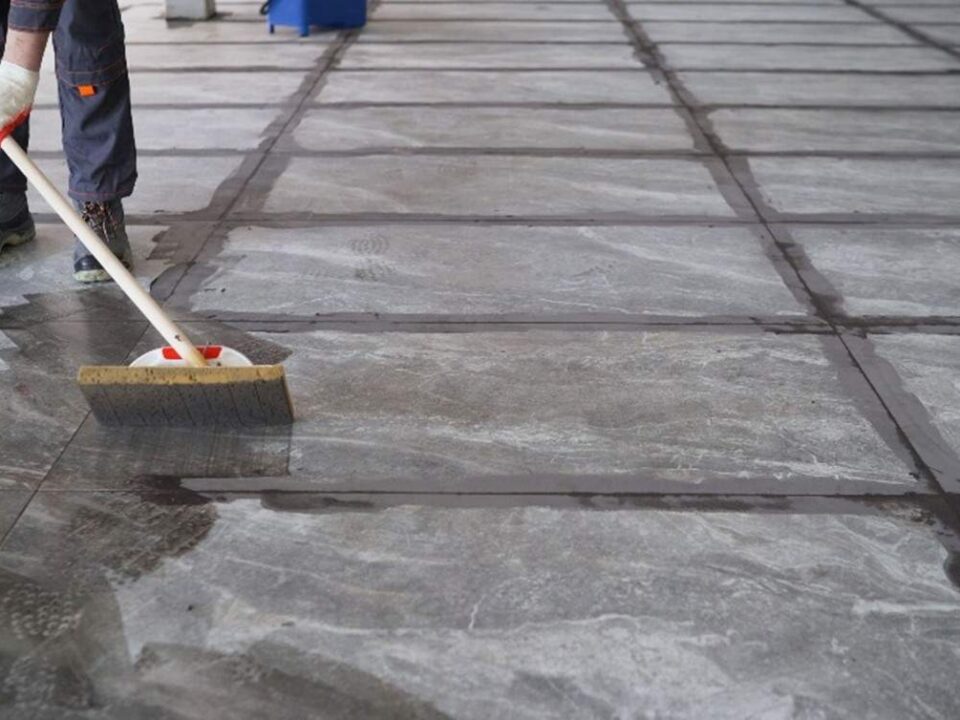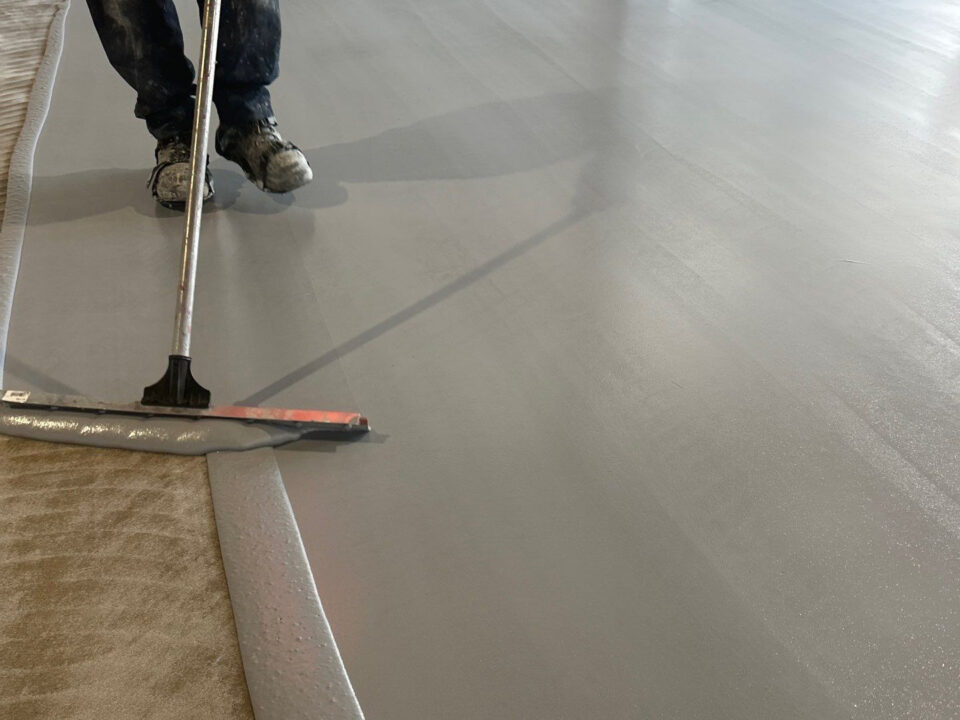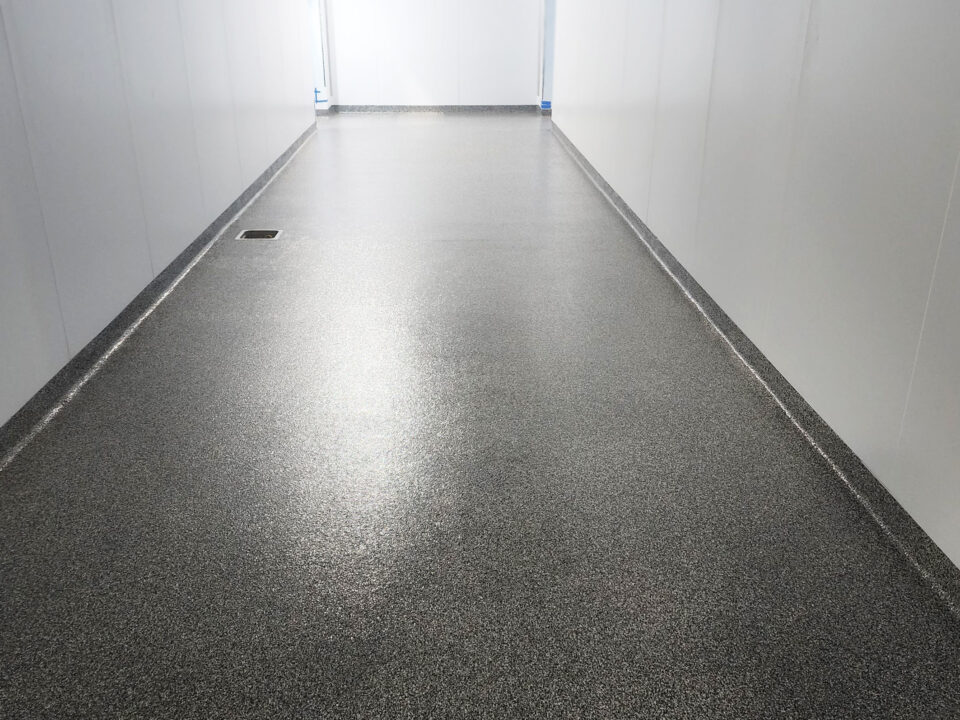
Epoxy vs. Polyurethane: Which Flooring Is Right for Your Industrial Facility?
April 13, 2026
How Sustainable Flooring Is Shaping More Eco-Friendly Industrial Facilities
April 27, 2026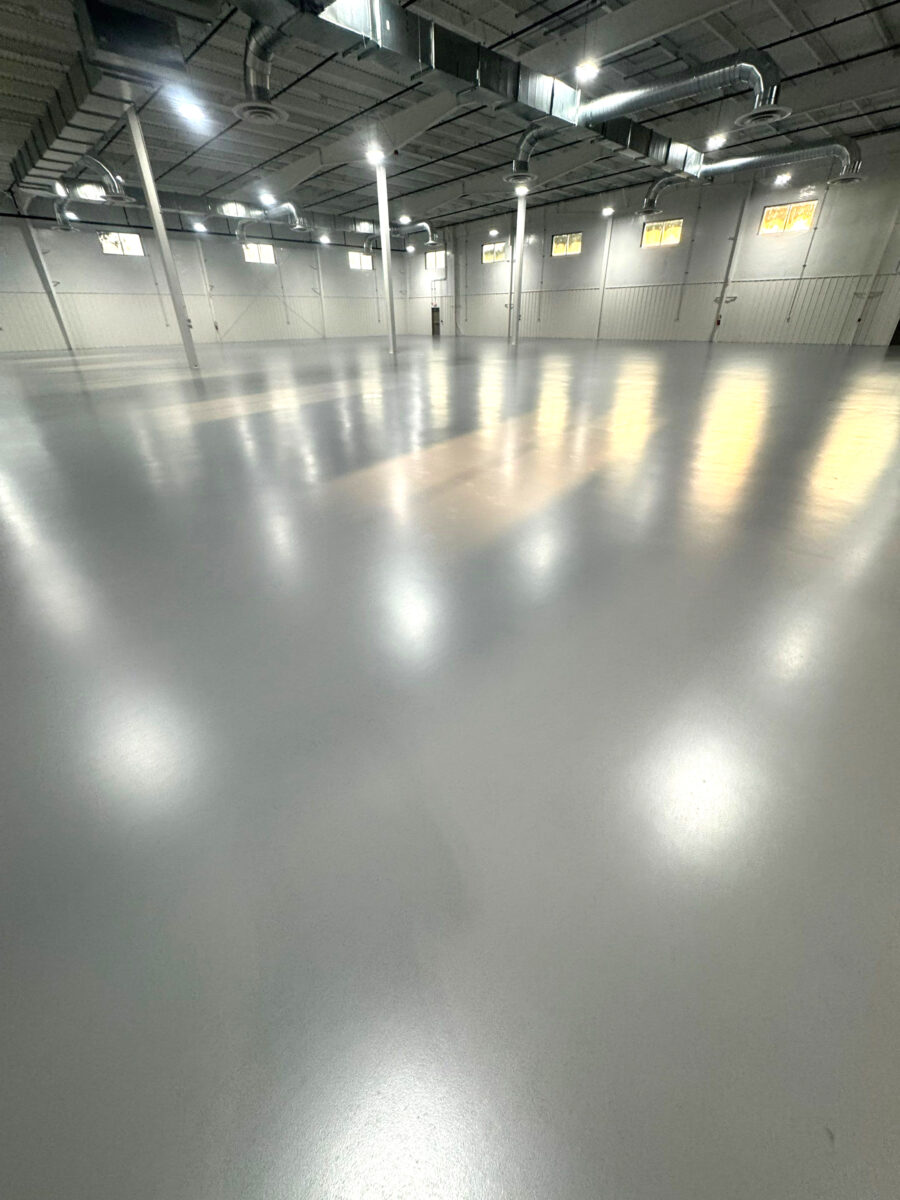
ESD Flooring for Sensitive Manufacturing Environments
Electrostatic discharge (ESD) is a silent threat in modern manufacturing. A single spark can compromise quality control and interrupt production, particularly in environments where microelectronics, precision instruments, or flammable materials are present.
Advanced ESD flooring solutions form the foundation of your static control strategy. With the right electrostatic discharge flooring, your facility can reduce product defects and improve employee safety across every shift.
How Static Builds Up on Your Floors
Static electricity forms when two materials come into contact and then separate. This happens constantly in manufacturing environments. Foot traffic, rolling carts, forklifts, and material handling systems all generate friction as they move. This friction transfers electrons, building up electrical charge on people and equipment.
In a typical production facility with standard concrete or non-conductive coatings, the charge builds up until it suddenly discharges to the nearest grounded object. The discharge may be too small for anyone to see or feel, but in sensitive environments, it’s enough to cause damage.
Why ESD Control Matters
Static control flooring is engineered to dissipate or conduct static charge to ground before it can build up and cause problems. This protection is required to keep your operation stable and reduce risks.
Manufacturing facilities that commonly require ESD flooring solutions include:
- Electronics assembly and circuit board production
- Semiconductor fabrication
- Medical device production
- Pharmaceutical processing
- Aerospace component production
- Defense systems manufacturing
- Battery and energy storage production
- Chemical processing involving flammable materials
In electronics manufacturing, even a minor discharge can destroy microchips, leading to product returns, warranty claims, and a damaged reputation. Also concerning is that a small static spark can trigger ignition in environments with combustible materials. Proper static control flooring reduces these hazards.
ESD flooring solutions also comply with industry requirements. Many sectors call for specific resistance ranges and documented ESD control programs. Installing certified electrostatic discharge flooring gives you a reliable foundation to keep your compliance efforts on track.
Types of ESD Flooring
Not all static control flooring performs the same way. Systems are categorized by how they handle electrical resistance and charge movement:
- Conductive flooring quickly moves electrical charge from the surface through the floor and into a grounding system. This option is often used in environments where the highest level of static protection is required and must be paired with a properly designed grounding infrastructure to function correctly.
- Static-dissipative flooring allows some charge to build up before dissipating gradually. This system offers reliable performance without the ultra-low resistance levels of fully conductive flooring.
- Grounding systems work alongside conductive or dissipative floors. During installation, conductive primers, copper strips, or grounding grids are placed beneath the surface and tied into your building’s electrical ground. Special footwear, wrist straps, equipment bonding, proper cleaning, and regular testing are required for static control resilient flooring to perform as intended.
Material Options
The right ESD flooring material depends on your environment, traffic levels, chemical exposure, and maintenance expectations. Several proven options are available:
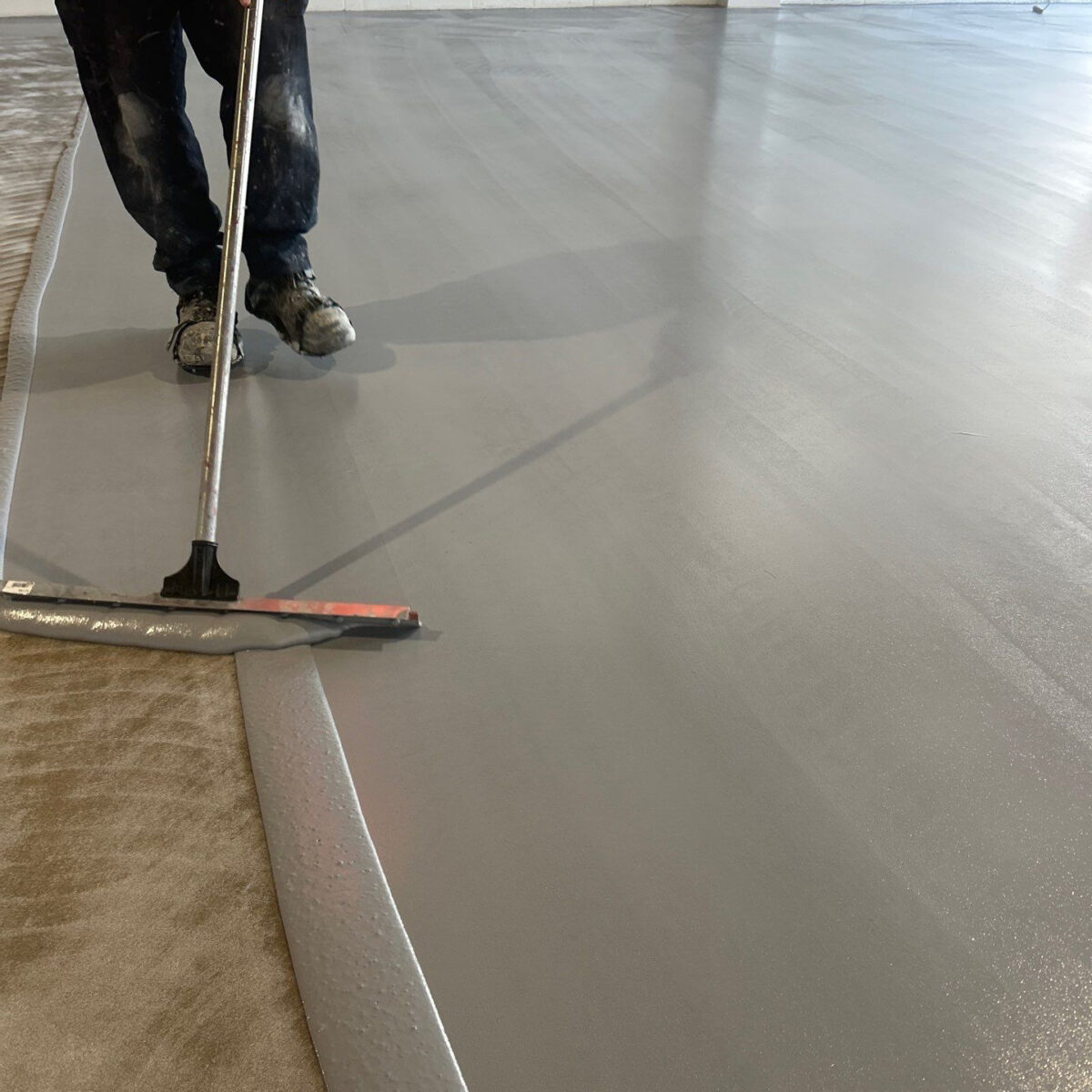
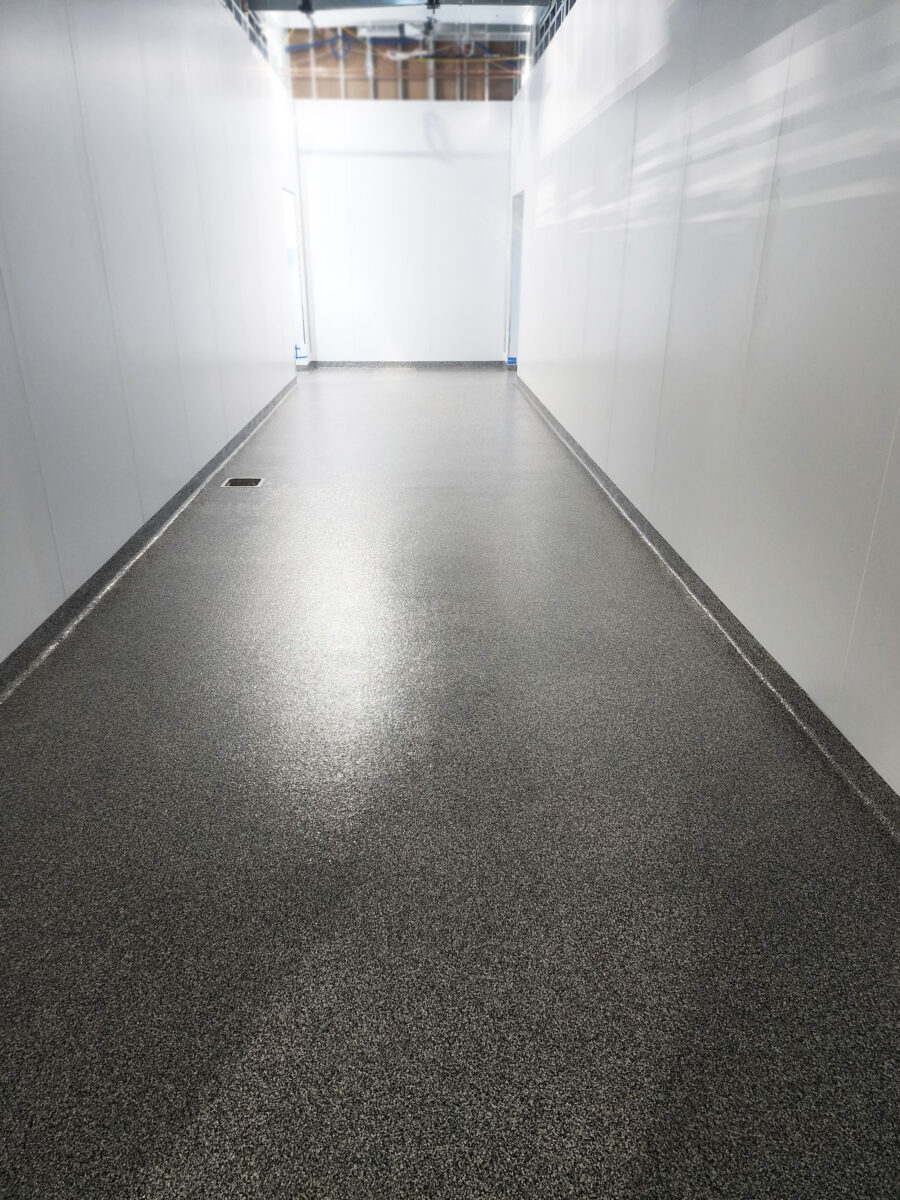
- ESD epoxy flooring is widely used in heavy-duty manufacturing and industrial environments. The system is installed as a seamless coating over prepared concrete and includes conductive additives that provide controlled electrical resistance. In addition to the required static control, facilities with ESD epoxy flooring enjoy long-term durability and chemical resistance.
- ESD vinyl tiles or sheets are manufactured with carbon or other conductive elements built directly into the material. If a section becomes damaged, individual tiles can be replaced without disturbing the entire floor. ESD vinyl is a popular choice when appearance, easy cleaning, and consistent electrical performance are priorities.
- Rubber-based electrostatic discharge flooring offers sound absorption, slip resistance, and comfort underfoot. Rubber systems can be engineered to meet static-dissipative or conductive requirements.
- ESD-rated carpet tile systems may be appropriate in offices or other low-impact areas adjacent to heavy manufacturing floors. These tiles incorporate conductive fibers and backing to control static. They also provide acoustic benefits and design flexibility.
What Can Affect ESD Floor Performance?
Several environmental and operational factors influence how well ESD flooring solutions perform:
- Humidity is among the biggest variables. Dry air increases the likelihood of static buildup, especially during winter months or in climate-controlled spaces.
- Contamination is another factor. Dust and residue can form a barrier on the surface of static control flooring. Regular cleaning with approved products is necessary to maintain consistent electrical properties.
- Wear and abrasion also impact performance. Areas with constant foot or equipment traffic may need a thicker system and occasional testing to ensure resistance levels remain where they should be.
- Footwear matters as well. ESD floors are most effective when employees wear ESD-rated shoes or heel straps that allow static to travel from their bodies to the grounded floor.
Install ESD Flooring in Your Manufacturing Facility
Advanced ESD flooring protects your products, equipment, and people from the costly impact of uncontrolled static. If you’re not sure which solution is right for your environment, MSC Floors would be happy to guide you.
We have over 20 years of experience transforming concrete surfaces in demanding manufacturing environments. Our team understands electrostatic discharge management and delivers a positive experience from the material selection process through to installation day. Contact us to schedule professional floor coating services in Michigan, Ohio, or Northern Indiana.
FAQs
How is ESD flooring tested after installation?
Installers use resistance meters to measure point-to-point and point-to-ground resistance. The test results are compared with industry standards to confirm compliance.
Can ESD flooring be installed over existing concrete?
Yes, as long as the concrete is structurally sound and properly prepared. Your installer will evaluate moisture levels and surface condition before application.
How long does ESD epoxy flooring last?
With proper maintenance, high-quality ESD epoxy systems can last many years. Service life depends on traffic levels, chemical exposure, and maintenance habits.
Does ESD flooring require special cleaning products?
Cleaners must be compatible with static control flooring and should not leave insulating residue behind. Using the wrong products may affect electrical performance.
Can damaged sections of ESD flooring be repaired?
Yes, most ESD-rated epoxy, vinyl, rubber, and carpet systems can be repaired or patched if they become damaged. The repair must restore the surface integrity and the original electrical resistance range to remain compliant.