Advanced Flooring Solutions for Preventing Electrostatic Discharge in Manufacturing Facilities
April 20, 2026
Your Complete Guide to Chemical-Resistant Flooring for Manufacturing Plants
May 4, 2026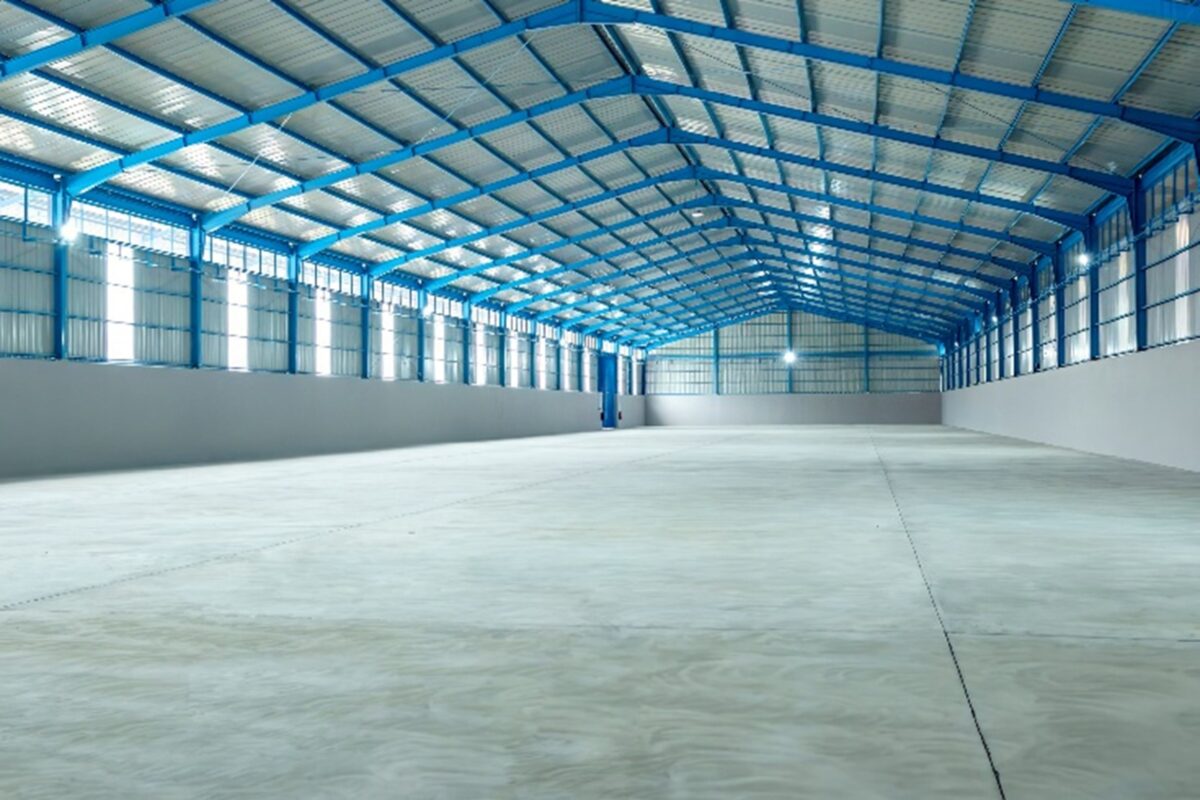
The Role of Sustainable Industrial Floors
Industrial facilities are expected to run at peak performance while reducing their environmental impact. Energy use, material selection, and long-term maintenance strategies all come into play. Flooring is part of the conversation as well. It covers thousands of square feet, supports daily operations, and directly affects safety, maintenance, and waste. Industrial sustainable floors give warehouses and manufacturing plants the strength and wear resistance they need while supporting environmental goals.
Sustainability Is More of a Priority Than Ever
Sustainability, which was once merely a talking point, has now shifted to a real operational standard. Regulations are tightening, corporate ESG commitments are more specific, and customers and partners want to see measurable progress. Choosing sustainable factory flooring supports your broader environmental goals in several ways:
- Conserve raw materials
- Reduce carbon emissions
- Promote a healthier work environment
- Lower your long-term maintenance demands
- Decrease waste generation
- Extend replacement cycles
Eco-Friendly Flooring Materials
Sustainable industrial flooring has evolved to handle heavy traffic, impact, and chemical exposure while placing less strain on the environment. Innovative materials now come in several eco-friendly forms.
Recycled Content
Many industrial floors reuse existing substrates or incorporate recycled aggregates. Polished concrete is one example. Instead of covering the slab with new materials, polishing improves the appearance and performance of the existing floor. This approach reduces the demand for raw substances and prevents usable concrete from going to the landfill.
As for recycled aggregates, materials such as crushed concrete, recycled glass, and reclaimed industrial byproducts can be used as fillers or broadcast media in resin-based flooring. This reduces reliance on newly mined materials without sacrificing strength or wear resistance.
Bio-Based Resins
Bio-based resins replace a portion of petroleum-based ingredients with plant-derived materials. When properly specified, bio-based epoxy or urethane coatings provide similar durability and chemical resistance to traditional systems.
Low-VOC Coatings
Volatile organic compounds affect indoor air quality and worker comfort. Modern industrial eco-flooring systems often use low- or no-VOC formulations. Low-emission coatings reduce odors during installation and allow areas to return to service faster.
Energy-Efficient Production and Installation
Sustainability goes beyond the material itself. Manufacturing and installation practices also impact your facility’s environmental footprint.
Cleaner Production
Today’s producers of sustainable industrial flooring are investing in cleaner production methods. Responsible sourcing of raw materials, reduced energy consumption during resin manufacturing, and improved transportation logistics all contribute to lower carbon emissions.
Eco-Friendly Installation
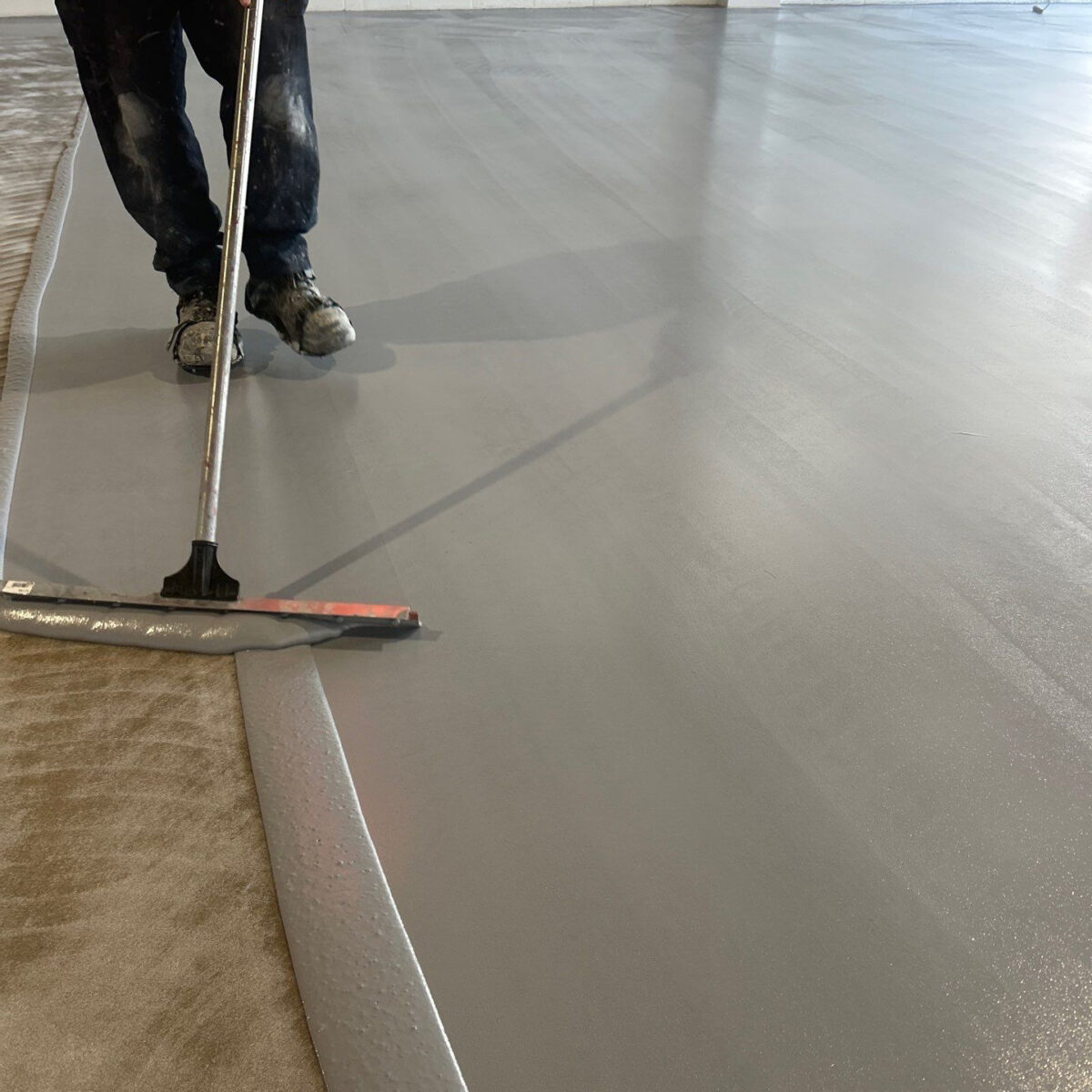
Installation practices affect your environmental impact. Polished concrete uses the slab you already have, eliminating the need for additional floor coverings and reducing material waste. If you choose a resin-based system, your installer can apply it in controlled phases to keep sections of your facility operational and avoid large-scale shutdowns. When your flooring contractor approaches the job with both performance and environmental responsibility in mind, the results last longer and waste less.
Lighting Efficiency
Polished concrete or light-colored industrial eco-flooring reflects more light. This reflectivity improves brightness and may reduce the number of light fixtures required to illuminate the space. As a result, your facility consumes less energy in the long run.
Long-Lasting Floors Deliver the Most Value
Sustainable industrial flooring doesn’t have to mean sacrificing strength. In fact, durability is one of the most important characteristics of industrial sustainable floors. A properly installed and maintained system can last 15 to 20 years under heavy use, reducing the need for frequent replacements and lowering material consumption.
Facilities that handle corrosive materials or experience constant forklift traffic need high-quality epoxy, urethane, or polished concrete floors designed for chemical resistance and mechanical wear. Matching sustainable factory flooring to your operating conditions is the most practical way to protect the underlying concrete.
Smart Ways to Reduce Project Waste
Reducing waste on a flooring project doesn’t have to be complicated. Simply make these smart decisions before and during installation:
- Repair a damaged slab: Fix cracks and spalling whenever possible to preserve the existing concrete. Address the damage in isolated sections to avoid sending large stretches of usable floor to a landfill.
- Measure and mix carefully: Your crew should order the right material quantities and mix them carefully to avoid leftover product that becomes unnecessary waste.
- Prepare the surface properly: Expect your installer to check moisture levels and repair surface defects before finishing the concrete or applying a resin coating to avoid poor performance and wasteful rework.
See How Sustainable Factory Flooring Can Work for You
If you’re ready to move your industrial facility toward stronger performance, safer conditions, and more eco-friendly performance, MSC Floors is happy to help. We have more than 20 years of experience transforming concrete surfaces with world-class epoxy flooring and polished concrete solutions. Our team approaches every project with your needs in mind to get it done right the first time. Contact us for professional floor coating services in Michigan, Ohio, and Northern Indiana, and we’ll help you take the next step toward a more efficient, sustainable facility.
FAQs
How disruptive is sustainable industrial flooring installation?
Most systems can be installed in phases, allowing sections of your facility to remain operational. Our installers will coordinate closely with you to schedule work during planned shutdowns, weekends, or low-production periods.
Can sustainable factory flooring handle extreme temperatures?
Many epoxy and urethane flooring systems are formulated to withstand thermal shock. These systems can perform in environments that experience hot washdowns, freezing conditions, or rapid temperature swings.
Is industrial eco-flooring suitable for food-grade environments?
Certain resin-based flooring systems are engineered for sanitation, moisture resistance, and chemical durability. These features make them well-suited for food and beverage facilities that require easy cleaning and compliance with hygiene standards.
How often should industrial sustainable floors be inspected?
Annual professional inspections are recommended to assess wear, joint integrity, and coating performance. Routine cleaning and prompt repair of cracks or chips prevent minor issues from expanding into costly damage.
Do low-VOC coatings affect performance?
Modern low-VOC formulations are engineered to deliver strong adhesion, chemical resistance, and durability while improving indoor air quality. When properly installed, they perform just as reliably as traditional high-VOC systems in demanding industrial environments.