The Impact of Automated Warehousing Systems on Industrial Floors
June 15, 2026
Antimicrobial Flooring for Healthcare and Pharmaceutical Facilities
June 29, 2026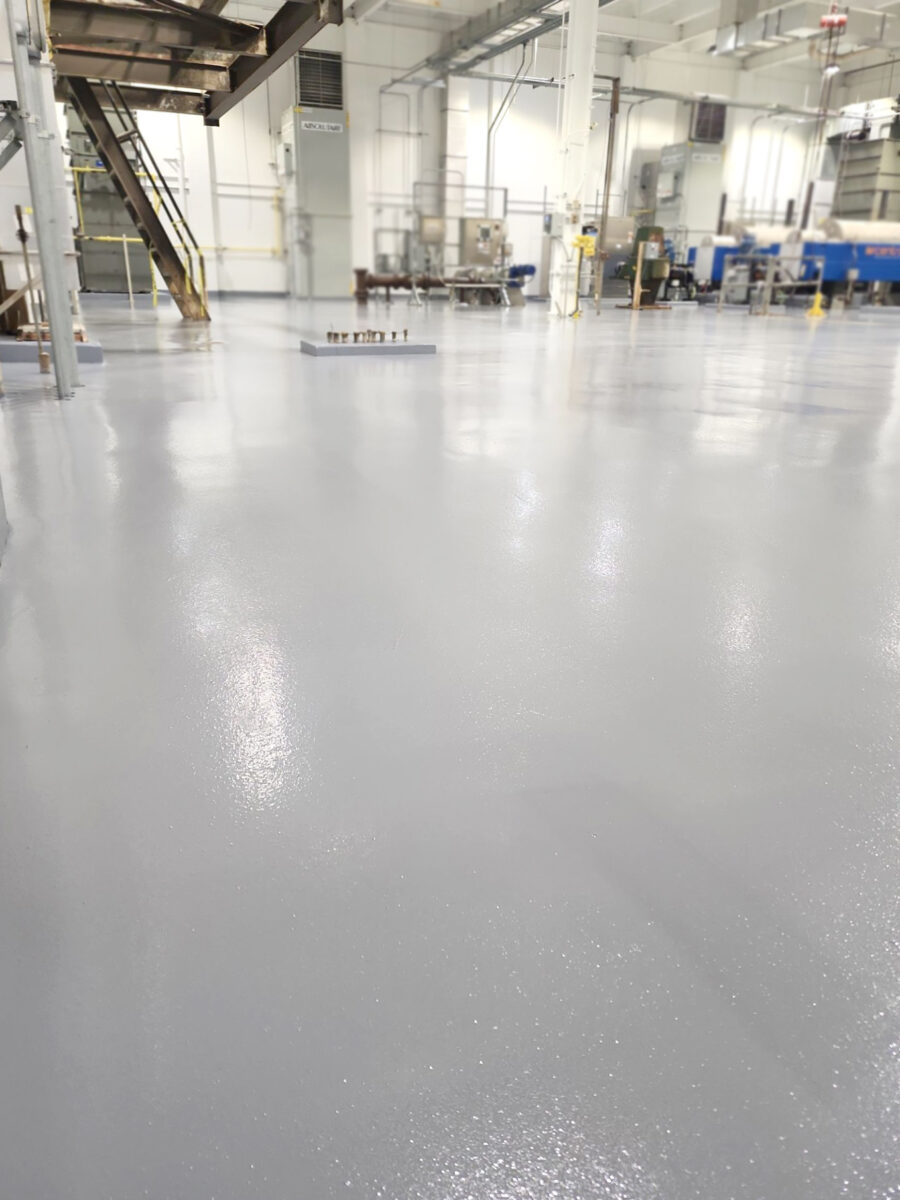
Eco-Friendly Industrial Flooring Options for 2026
Sustainability has become a defining objective for modern manufacturing facilities in recent years. Environmental targets influence nearly every operational decision, from sourcing raw materials to upgrading equipment to installing new flooring systems.
The shift toward sustainable industrial flooring demonstrates a growing awareness among facility owners and managers of how materials, coatings, and maintenance practices affect a building’s environmental footprint. Next-generation industrial floor coatings are being designed to reduce emissions, extend surface lifespan, reduce maintenance costs, and lower environmental impact for decades.
Sustainability Goals in Global Manufacturing
In 2026, manufacturers face increasing pressure to be environmentally accountable. Industry regulations, corporate sustainability commitments, and investor expectations have pushed many companies to adopt life-cycle thinking when evaluating infrastructure improvements. This approach examines the environmental impact of a product or material from extraction and manufacturing through installation, use, and replacement.
Flooring systems fit within this framework because they cover a large physical footprint and remain in place for many years. Here are the factors that influence how sustainable a flooring system truly is:
- Sourcing: Flooring systems that use recyclable flooring materials or partially renewable components help facilities meet internal sustainability goals.
- Longevity: Durable materials reduce the need for premature replacement, resulting in lower material consumption and less waste.
- Maintenance requirements: Surfaces that naturally resist stains, chemicals, and microbial buildup require fewer harsh cleaning agents. Reduced chemical usage lowers environmental impact and improves indoor air quality for employees.
- End-of-life disposal: Flooring systems designed with recyclability or resurfacing in mind can help reduce landfill waste. For instance, some industrial floor coatings can be renewed with additional layers rather than being completely removed.
How Industrial Floor Coatings Impact Carbon Footprint
Traditional flooring systems contribute to a facility’s environmental impact in several ways:
- Energy-intensive production: Conventional industrial floor coatings often rely on petrochemical components derived from crude oil. Manufacturing these materials requires significant energy and generates carbon emissions throughout the supply chain.
- Environmental concerns during installation: Some traditional coating systems release volatile organic compounds (VOCs). These emissions occur as solvents evaporate during curing, which contributes to indoor air pollution and may affect worker health.
- Waste management: When coatings or surface layers fail, they are often stripped and sent to the landfill as construction waste. This end-of-life outcome increases environmental impact.
- Frequent repairs or replacements: Floors that deteriorate quickly require additional materials and labor, either to perform repairs or install premature replacements.
- Scale: Large manufacturing plants and distribution centers may contain hundreds of thousands of square feet of flooring. As such, even small improvements in material selection or durability can yield meaningful environmental benefits.
Sustainable Industrial Flooring Options
A wide range of innovations now supports sustainable industrial flooring in manufacturing plants and warehouses. Selecting the right combination of materials and installation methods allows facilities to reduce their environmental impact while maintaining the durability and chemical resistance required for demanding operations.
Low-VOC or VOC-Free Formulations
Modern low-VOC and VOC-free flooring systems emit fewer chemicals during installation and curing. This reduces the need for ventilation during application and supports healthier long-term indoor air quality.
Facilities operating in food processing, pharmaceutical manufacturing, or other controlled environments often benefit from these coatings. They meet sanitation standards, maintain strong adhesion, and offer durability comparable to that of traditional formulations.
Water-Based and Solvent-Free Floor Coatings
One way to reduce VOC emissions from industrial floor coatings is to minimize or eliminate the chemical solvents they contain. Water-based coatings use water as the primary carrier to reduce reliance on solvents, while solvent-free systems eliminate these ingredients entirely.
Both options lower emissions during application and curing for fewer airborne chemicals inside the facility. This quality makes water-based and solvent-free coatings easier to install in active production areas.
The performance of these industrial epoxy flooring systems has improved considerably in recent years. Many formulations now deliver the same durability, chemical resistance, and adhesion expected from traditional coatings when installed correctly.
Bio-Based Resin Options
Emerging flooring technologies incorporate bio-based resins derived from renewable resources such as plant oils or agricultural byproducts. These materials partially replace petroleum-based ingredients found in traditional coatings.
Bio-based resins reduce reliance on fossil fuels every time you replace your floors. Manufacturers continue refining these systems to ensure they deliver the same strength, adhesion, and chemical resistance expected from high-performance coatings.
Recycled and Recyclable Flooring Systems
Recycled content has become an important factor in many construction materials, and flooring systems are no exception. Some modern coatings incorporate recycled aggregates, fillers, or polymer components.
Recyclability also impacts the life cycle of industrial epoxy flooring. Systems that can be refurbished or resurfaced rather than completely removed minimize construction waste. If recyclable flooring materials are important to your facility, prioritize working with a coating specialist who understands how to design surfaces for long service life and easier refurbishment.
Light-Reflective Surfaces
Industrial flooring can influence your lighting in surprising ways. Highly reflective coatings bounce light around the production floor more effectively than dark or unfinished concrete. Improved reflectivity allows facilities to reduce the number or intensity of their light fixtures while still maintaining safe visibility. The energy savings from improved lighting efficiency support sustainability goals and reduce operational costs.
Rapid-Cure Systems
Some advanced flooring coatings cure much faster than traditional systems, allowing production areas to return to full service within hours instead of days. This rapid turnaround reduces the operational costs associated with downtime. It also limits the risk of contamination or surface damage that may occur during long curing periods.
Reduced energy use during application is another benefit of choosing fast-curing industrial epoxy or polyaspartic flooring. Shorter cure times mean climate control equipment doesn’t need to run as long to maintain the required temperature and humidity conditions.
Durability Enhancements
Durability is a defining factor of sustainable flooring design. Floors that last longer require fewer repairs and replacements, keeping material consumption and installation waste down.
Advanced industrial floor coatings often incorporate additives that improve abrasion resistance, chemical protection, and impact strength. These features are necessary to help surfaces withstand forklift traffic, the static weight of heavy machinery, and harsh chemicals common in industrial settings. The proper durable flooring system can remain functional for decades with minimal maintenance.
Eco-Conscious Installation
Sustainability extends beyond the flooring material itself. Installation methods also affect the overall impact of a flooring project. One example is the use of dust-controlled surface preparation equipment, which reduces airborne particles during concrete grinding or shot blasting.
Project management practices also make a difference. Ordering the correct amount of material, maintaining organized work zones, storing products properly, and carefully coordinating schedules reduce unnecessary waste and energy consumption during installation.
Regular Care and Maintenance
Proper maintenance is a proven way to extend the life of your industrial flooring system. Start by routinely cleaning your floors to remove debris that accelerates wear. Then schedule inspections to identify small cracks, delamination, and other early signs of coating failure before they turn into major repair projects.
A consistent maintenance routine reduces the need for aggressive chemical cleaners. Smooth, sealed surfaces resist contamination and make it easier for cleaning crews to maintain sanitation standards. Keeping up with routine care also helps your sustainable industrial flooring last longer, which reduces material use and postpones the disruption of a future replacement.
Reduce Your Environmental Impact with MSC Floors
Industrial epoxy flooring doesn’t have to work against your sustainability goals. Durable, responsibly sourced, low-emission materials help manufacturing facilities protect their floors while reducing their environmental impact.
The team at MSC Floors has more than 20 years of experience delivering world-class epoxy flooring and polished concrete systems. We consider all of your priorities when recommending and installing industrial floor coatings, including your interest in more sustainable solutions. Expect a customer-centered experience that supports your facility’s long-term performance. To discuss the best floor coating solutions for your facility in Michigan, Ohio, or Northern Indiana, please contact us today.
FAQs
How long does sustainable industrial flooring last?
High-quality systems last 10 to 20 years or more when properly installed and maintained. Longevity depends on several factors, including traffic levels, chemical exposure, and cleaning practices. Installing a more durable coating reduces the need for frequent replacements.
Can existing concrete floors be upgraded with sustainable coatings?
Many existing concrete floors can be upgraded without replacing the slab. With proper surface preparation, new coatings can bond effectively and deliver long-lasting performance.
Do sustainable coatings perform as well as traditional systems?
Modern technologies allow sustainable industrial flooring to meet the same performance standards as conventional systems. Many low-VOC and solvent-free coatings now provide comparable abrasion resistance, chemical protection, and adhesion.
How do industrial floor coatings improve safety?
Seamless coatings create smooth surfaces that resist dusting and contamination. Non-slip textures can also be incorporated into the flooring system to improve traction in wet or oily areas.
What industries benefit most from sustainable flooring?
Manufacturing plants, food processing facilities, warehouses, pharmaceutical operations, and distribution centers are just a few examples of industries that benefit from environmentally responsible flooring.