ESD Flooring for Electronics & Robotics Manufacturing
June 1, 2026
The Impact of Automated Warehousing Systems on Industrial Floors
June 15, 2026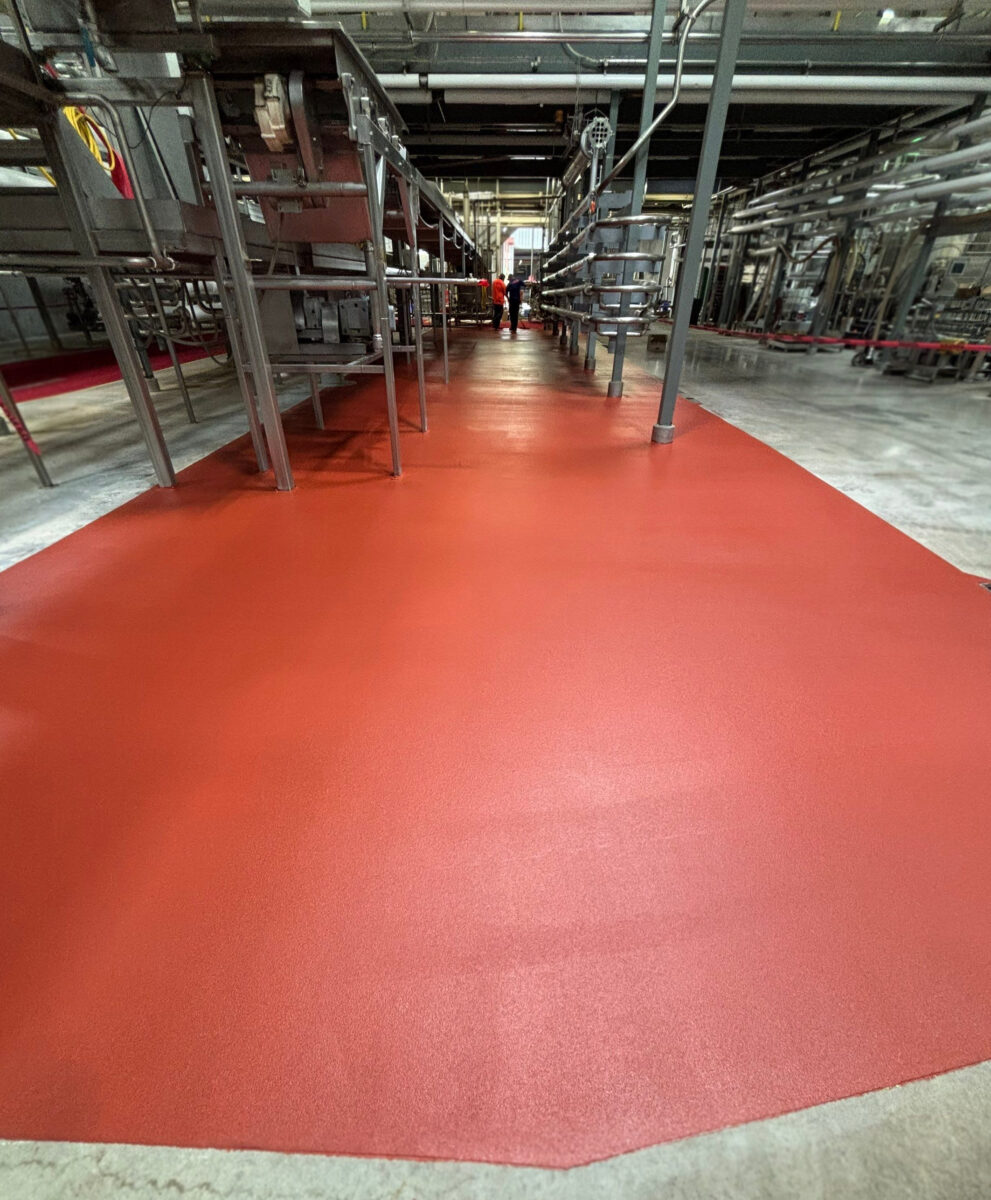
Food Plant Flooring Requirements for 2026
Food safety standards have long required sanitary, durable surfaces in USDA-inspected facilities. As you plan upgrades for 2026, it makes sense to review your industrial flooring to ensure it continues to meet inspection requirements. Use this compliance checklist to identify the characteristics your facility should look for in new food plant flooring.
Why USDA-Inspected Facilities Require Specialized Flooring
The U.S. Department of Agriculture (USDA) oversees food safety in sectors such as meat, poultry, and certain egg products. In USDA-inspected facilities, operations must meet strict sanitation, processing, and labeling requirements under federal law. This includes maintaining and following a validated Hazard Analysis and Critical Control Points (HACCP) plan.
HACCP programs define how facilities prevent contamination at every stage of production. Sanitation controls, cleaning schedules, and environmental monitoring programs all depend on the physical conditions in your environment, including the flooring. If the ground-level surface can’t resist chemicals, withstand loads, or be thoroughly cleaned, it may undermine the very controls your HACCP plan is designed to enforce.
Bare concrete is not engineered for that level of performance. Here’s why an untreated concrete slab is not suitable for food plant flooring:
- Sanitation affects food safety: A porous or cracked floor may harbor moisture or organic debris that feeds bacteria. This threat to product integrity is unacceptable.
- Washdowns are aggressive and frequent: Untreated concrete can’t withstand high-pressure, high-temperature cleaning cycles.
- Chemical exposure is unavoidable: Chemicals from the food production process and cleaning agents applied to keep things hygienic come into contact with the floor daily. Unprotected concrete degrades quickly when exposed to these harsh substances.
- Production traffic is demanding: Forklifts, carts, and stationary equipment generate rolling, impact, and point loads that may cause ordinary concrete to crack, spall, or erode.
Food Plant Flooring Requirements Checklist
To meet USDA and HACCP expectations, your industrial flooring must be engineered for hygiene, safety, and structural performance. As you evaluate flooring upgrades for 2026, make sure the system you select meets the following performance criteria.
Anti-Microbial Design
A compliant food service flooring system should include the following characteristics:
- Non-porous construction: Resinous industrial floor coatings create a dense, impermeable surface that prevents liquids, animal blood, oils, and organic matter from penetrating the slab.
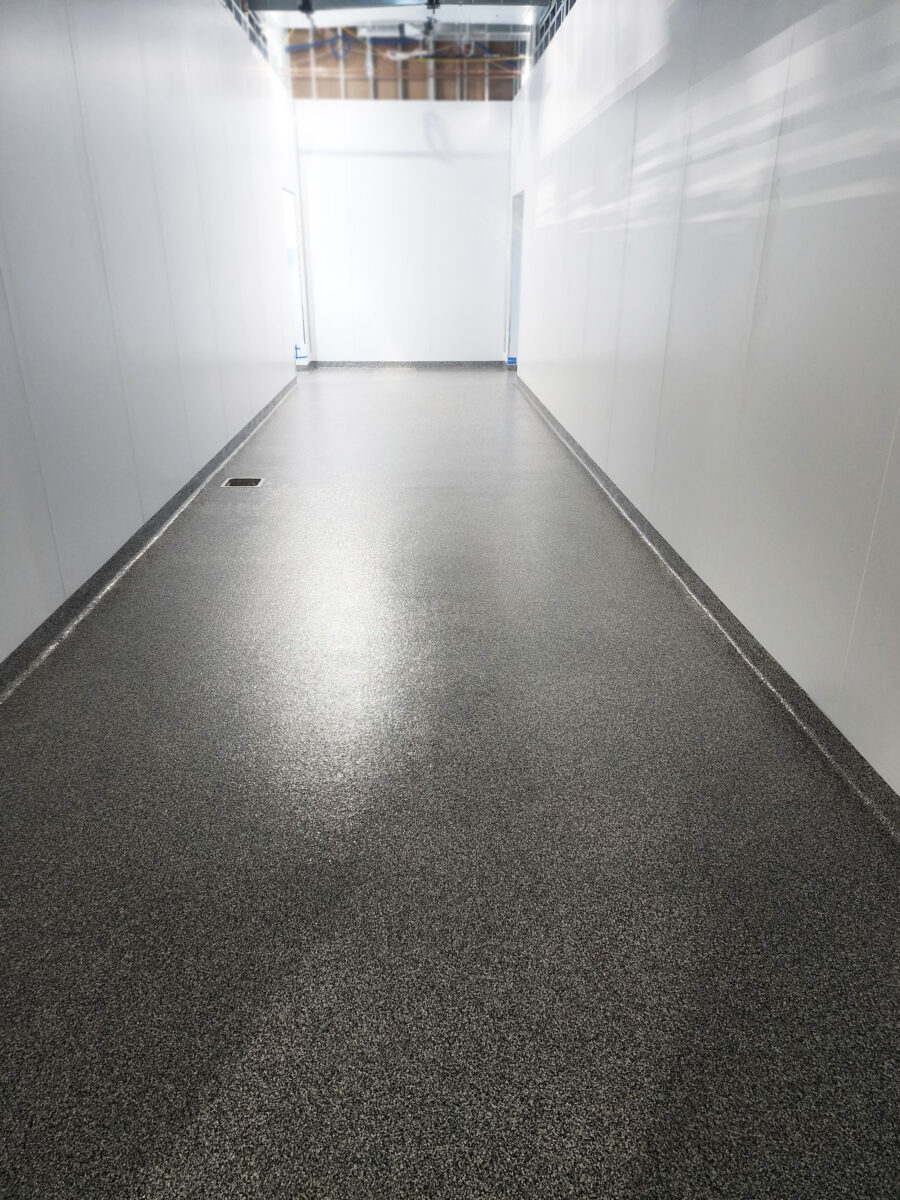
- Seamless installation: Monolithic systems eliminate hiding spots where bacteria can grow.
- Anti-microbial additives (optional): Some industrial epoxy flooring systems incorporate additives that inhibit microbial growth within the coating itself.
Chemical Resistance
Food production environments expose floors to a wide range of aggressive substances, including:
- Organic acids from meat, dairy, and produce
- Animal blood, fats, and oils
- Sugars and syrups in beverage products
- Chlorinated cleaners
- Caustic sanitizers
High-performance industrial flooring is formulated to resist chemical attack. Selecting the correct resin chemistry for your production process is critical to ensure the desired performance. For example, areas with heavy acid exposure may require a different system than dry storage or packaging zones.
Temperature and Thermal Shock Resistance
Many food processing environments involve hot or cold temperatures, including freezers and cold storage areas, blast chillers, cook rooms, and loading docks exposed to the elements. Industrial flooring in these settings must tolerate sustained temperature extremes without cracking, softening, or losing adhesion.
Hot water washdowns and steam cleaning are also common for sanitation. When hot water or steam hits a cold floor, the sudden temperature change places stress on the coating and the concrete beneath it. Selecting the right material, preparing the substrate prior to installation, and specifying the proper thickness all influence how well the flooring system performs under these stresses.
Mechanical Strength
Food plant floors must support daily operational stress without cracking or wearing out prematurely. Performance metrics to consider include:
- Compressive strength, or the ability to withstand heavy loads from equipment and racking.
- Flexural strength, or resistance to forces caused by slab movement.
- Tensile strength, or the ability to resist pulling forces that can cause a floor to crack or delaminate.
- Abrasion resistance, or protection against wear from forklift traffic and dragged pallets.
Slip Resistance
Wet floors are common in food processing. Worker safety requires a balance between cleanability and traction. Slip-resistant additives can be incorporated into industrial epoxy flooring systems to create textured finishes that reduce the risk of slips and falls. The texture level must match the area’s exposure to water, oils, or grease while remaining cleanable under routine sanitation procedures. A professional installer will help determine the appropriate surface profile for each area of your plant.
Ease of Cleaning and Maintenance
Well-designed industrial flooring reduces cleaning time and simplifies things for sanitation crews. Easier maintenance means fewer disruptions and lower costs. Design considerations include:
- Seamless surfaces with no joints or grout lines to trap debris
- Proper slope and drainage that directs water toward drains to prevent pooling
- Coved transitions that reduce sharp corners between the floor and the walls, where dirt can accumulate
- Stain resistance to protect the floor’s appearance and prevent odor retention
Common Industrial Floor Coatings Used in Food Processing
Not all resinous systems perform the same. The right solution depends on your production process, temperature conditions, chemical exposure, and traffic levels. Consider the most commonly used industrial floor coatings for food plants.
Epoxy Resin Flooring
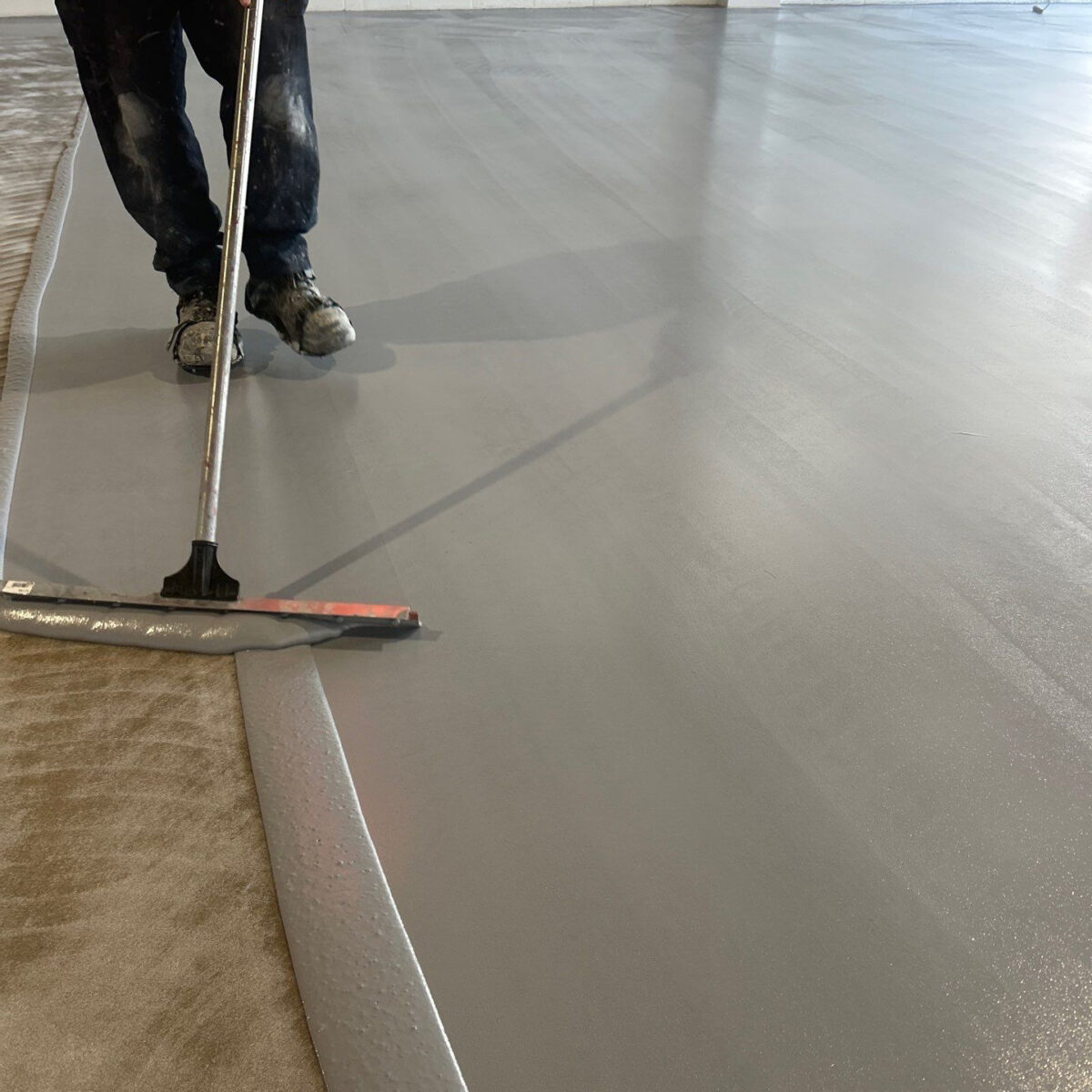
Industrial epoxy flooring consists of a multi-layer resin applied over properly prepared concrete to create a seamless, durable surface. Epoxy systems offer strong adhesion, excellent compressive strength, and good chemical resistance. They perform well in dry processing areas, packaging zones, warehouses, and laboratories.
Customization options vary widely. Slip-resistant aggregates can be incorporated into the resin system to increase traction in wet areas. Integrated floor striping also improves safety by defining walkways, equipment zones, and forklift paths.
Installation involves careful moisture testing and surface preparation, along with repair of any cracked or damaged areas. Cure times vary, but light foot traffic may be permitted within 12 to 24 hours.
Urethane Cement Flooring
Urethane cement systems are the top choice for wet and thermal-shock-prone environments. This system combines urethane resins with cementitious components to create a thick, highly durable surface. Its thermal expansion rate closely matches that of concrete, reducing the risk of delamination during hot water washdowns.
Urethane cement systems are typically installed at greater thicknesses than standard epoxy for enhanced impact resistance and durability. As with epoxy, proper concrete preparation is essential for long-term success.
MMA (Methyl Methacrylate) Flooring
MMA flooring is known for its rapid cure times. In facilities where downtime must be minimized, this system can return areas to service within hours rather than days.
MMA offers strong chemical resistance and performs well in cold environments. Personal protective equipment and ventilation are essential during installation to control odors and maintain a safe work environment. An experienced installation crew will ensure the system is applied correctly.
Polyaspartic Floor Coatings
Polyaspartic industrial flooring cures quickly and provides excellent UV stability. Although more common in commercial and light industrial environments, they can also serve secondary spaces in food facilities, such as maintenance rooms, corridors, or loading docks exposed to direct sunlight.
Schedule a Free Site Survey for Your Facility
USDA compliance starts from the ground up. Partner with MSC Floors to boost workplace safety, sanitation, and audit readiness in 2026. We have over 20 years of experience transforming concrete surfaces for food processing plants. Our team has an in-depth understanding of USDA and HACCP requirements to ensure a compliant, long-lasting installation. Contact us today to discuss the right industrial flooring solution for your facility in Michigan, Ohio, or Northern Indiana.
FAQs
How long does food plant flooring installation take?
Project timelines depend on square footage, system type, and substrate condition. Many facilities choose phased installation to minimize disruption in adjacent areas. Rapid-cure systems further shorten downtime, allowing a faster return to service when scheduling is tight.
Can different flooring systems be installed in separate areas of the same facility?
Yes. Many food plants use a combination of systems based on temperature exposure, chemical contact, and traffic levels in each zone. For example, a walk-in freezer may benefit from MMA flooring, while dry packaging or warehouse areas may perform well with industrial epoxy flooring.
What happens if moisture is present in the concrete slab?
Excess moisture can cause premature coating failure if not addressed properly. If moisture readings before installation exceed acceptable limits, mitigation systems may be recommended.
How often should food plant flooring be inspected?
Regular inspections should be part of your maintenance program. Many facilities review floors quarterly or before major audits to identify cracks, wear, or joint issues that need repair.
Can damaged sections be repaired without replacing the entire floor?
In many cases, localized repairs are possible if the surrounding coating remains structurally sound. The repair area must be properly prepared and blended to maintain performance and sanitation standards.