Planning a Seamless Industrial Flooring Installation
May 11, 2026
How Epoxy Floor Coating Improves Safety & Productivity in Automotive Service Centers
May 25, 2026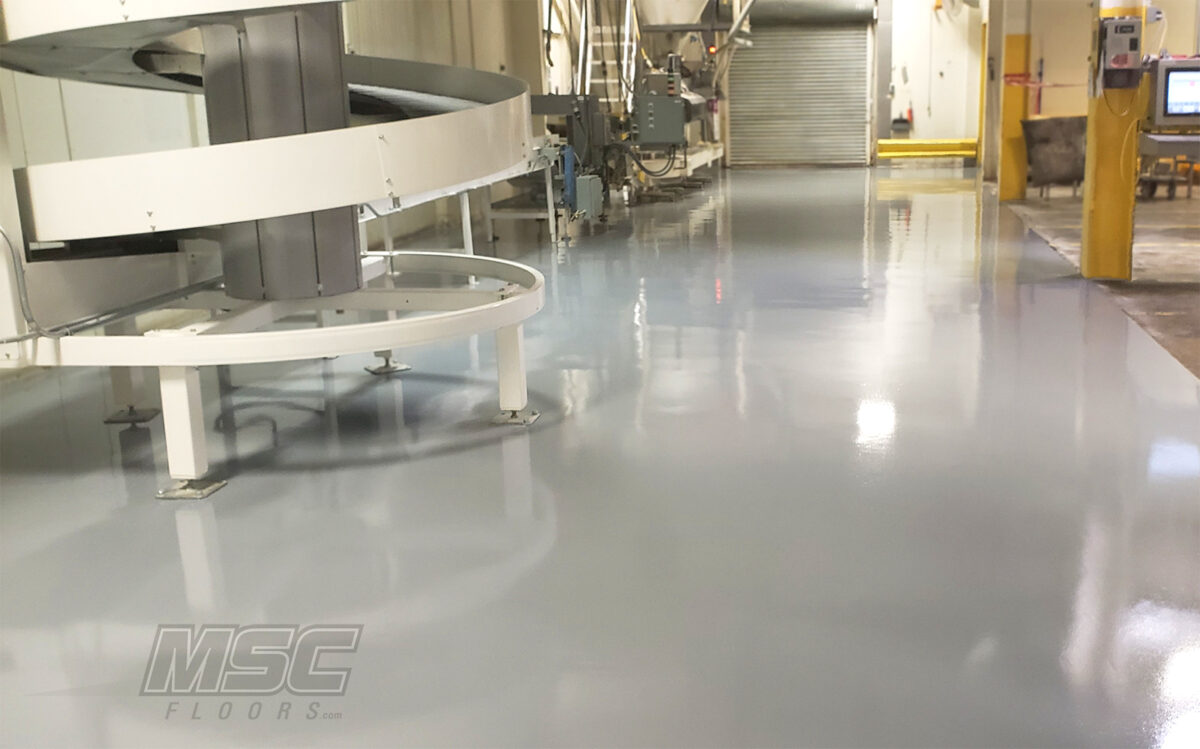
Top Flooring Solutions for Manufacturing Environments
Industrial facilities place extraordinary demands on flooring. In heavy-duty manufacturing environments, floors must endure the weight of heavy machinery and forklifts, resist industrial chemicals, and withstand thermal shock, all while keeping worker safety and ease of maintenance in mind. Installing the right manufacturing floor solution is critical to keep your operations safe and productive. Consider the top options and innovations reshaping today’s heavy-duty floors.
High-Build Epoxy Flooring: A Foundation for Heavy Equipment
Industrial epoxy flooring is often the first choice for manufacturing facilities. These systems combine durable resin binders with fillers to create a reinforced surface that can withstand concentrated weight from heavy machinery and repeated forklift traffic. These systems are engineered to evenly distribute load stresses across the slab and to resist cracking or deformation under pressure.
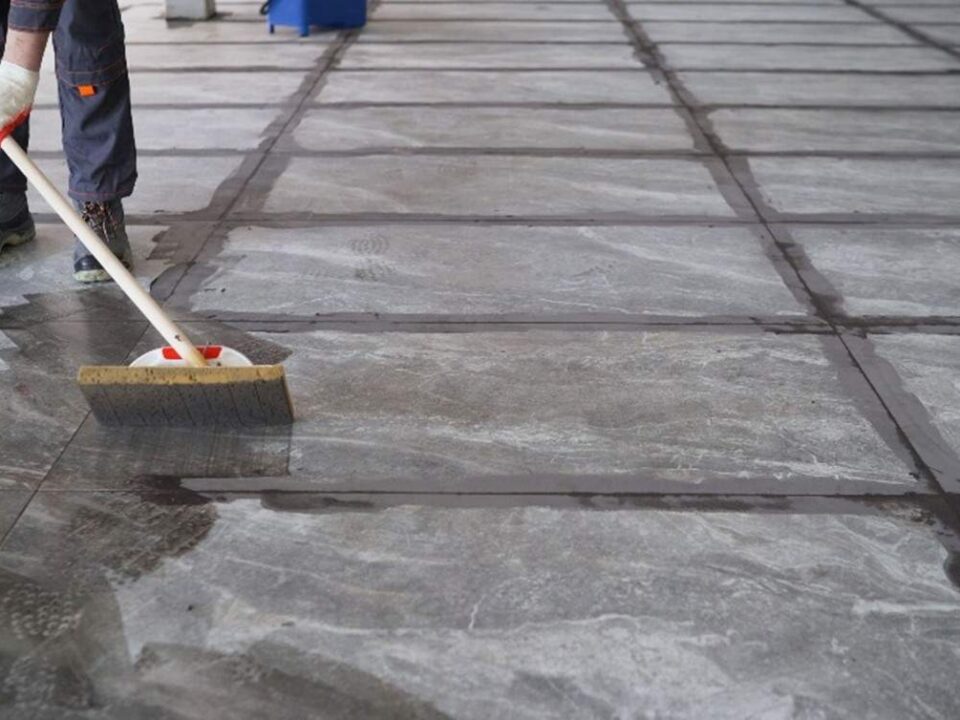
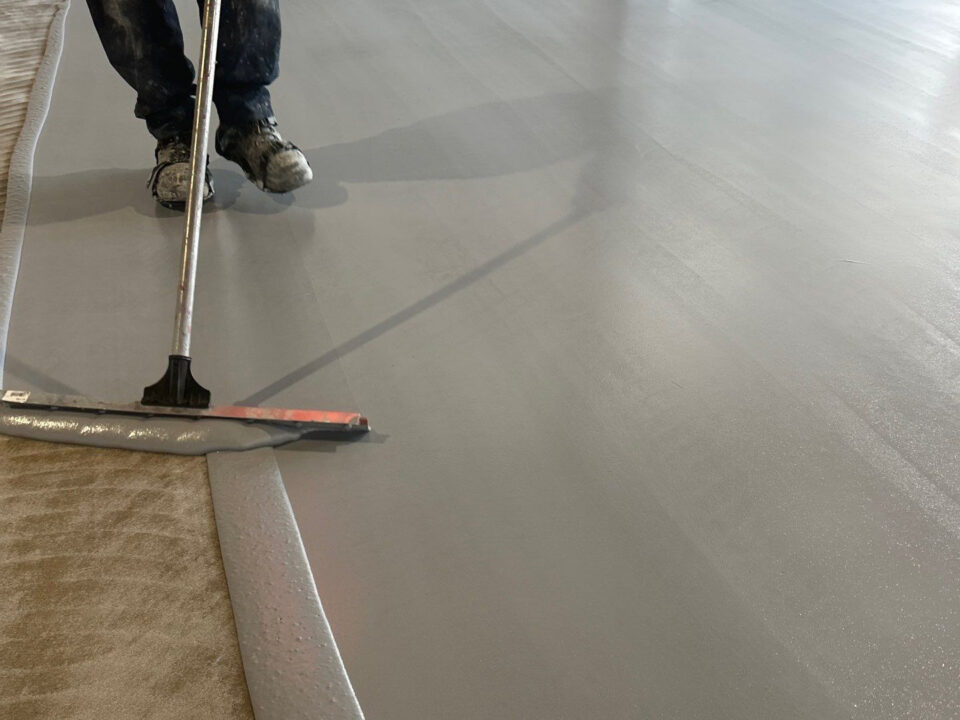
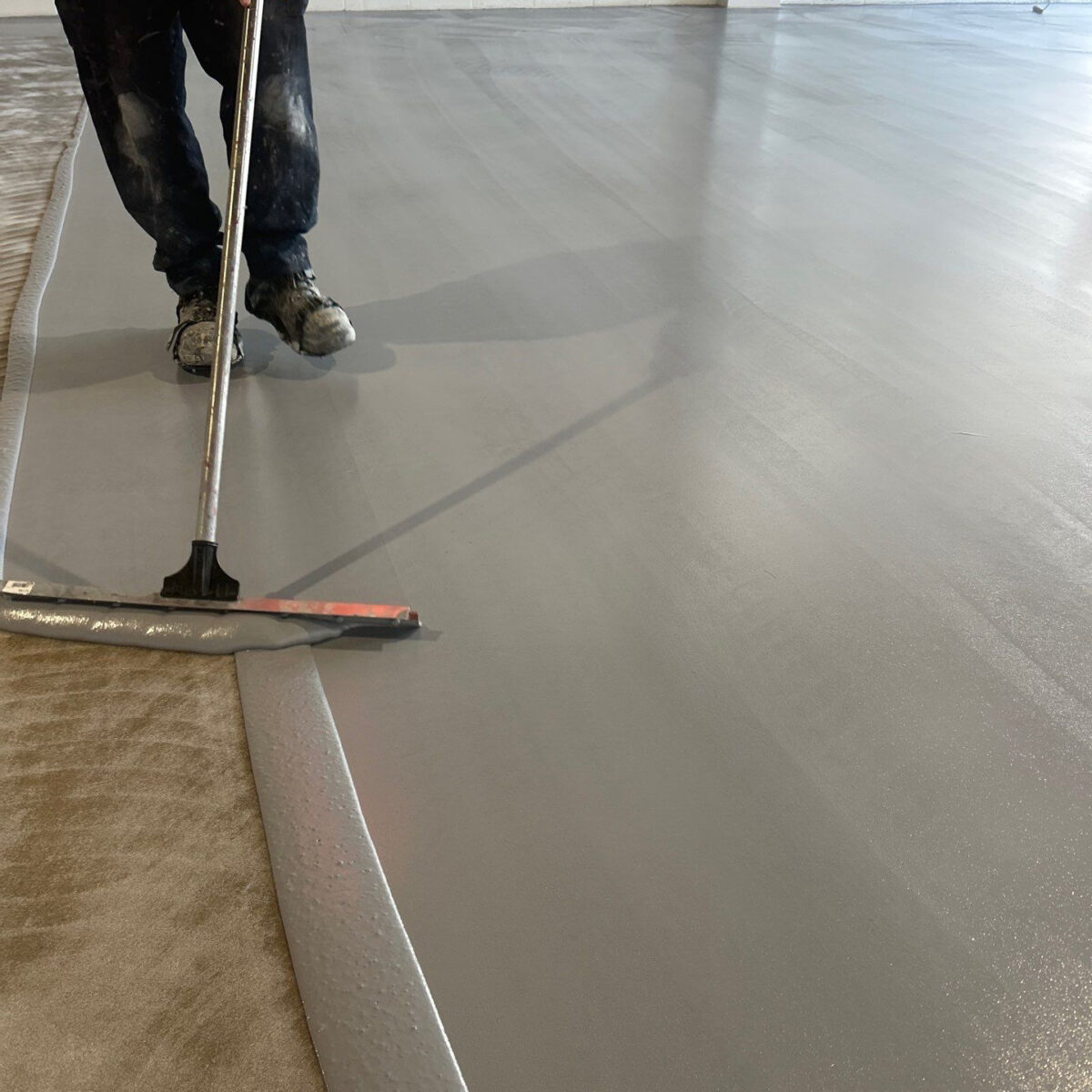
High-build epoxy floor coatings aren’t simply poured over concrete like paint. They’re bonded to the substrate after proper surface preparation, so the system behaves as a single, unified surface. This bond, combined with the increased thickness of the resin layers, gives industrial epoxy flooring solutions exceptional load tolerance. Facilities with heavy presses, stamping equipment, or weighty storage racks benefit from these reinforced surfaces.
Industrial Mortar and Urethane Cement: Chemical Resistance
In many factories, exposure to coolants, oils, acids, and solvents is a daily reality. Floors that aren’t designed to come in contact with these industrial chemicals may deteriorate rapidly. To avoid pitting, delamination, and concrete contamination, you need a specialized industrial flooring solution, such as epoxy mortar or urethane cement.
Epoxy mortar flooring mixes epoxy resins with graded aggregates to produce a system with high chemical resistance and impact tolerance. These USDA- and FDA-approved floor coatings form a seamless, impermeable surface that prevents liquids from seeping into the concrete.
Urethane cement systems take chemical resistance to the next level. They’re engineered to withstand aggressive fluids, rapid temperature changes, and the harsh washdowns common in food processing, chemical plants, and heavy manufacturing. The result is a heavy-duty floor that protects your concrete and holds up under conditions that would quickly compromise standard coatings.
Slip-Resistance and Floor Striping: Keeping Workers Safe
Safety is a top concern on any factory floor. Smooth concrete slabs can become dangerously slick when exposed to fluids or debris. That’s why manufacturing facility floors often incorporate engineered textures or non-slip aggregates directly into the flooring system.
High-visibility line striping further enhances safety. OSHA standard 1910.22 requires clearly delineated pedestrian walkways, vehicle routes, and hazard zones to help guide traffic flow and keep workers alert to their surroundings. Combining slip-resistance with floor striping improves safety and supports regulatory compliance across your facility.
Polished Concrete: Durable, Low-Maintenance Performance
Polished concrete is a strong, low-maintenance solution for open production zones, showrooms, warehouses, or corporate facilities. Through mechanical grinding and densification, the concrete surface is hardened and refined to reduce surface wear and dusting. The smooth, reflective finish also improves lighting efficiency and simplifies routine cleaning.
Decorative Aggregate Systems: Enhanced Traction and Visuals
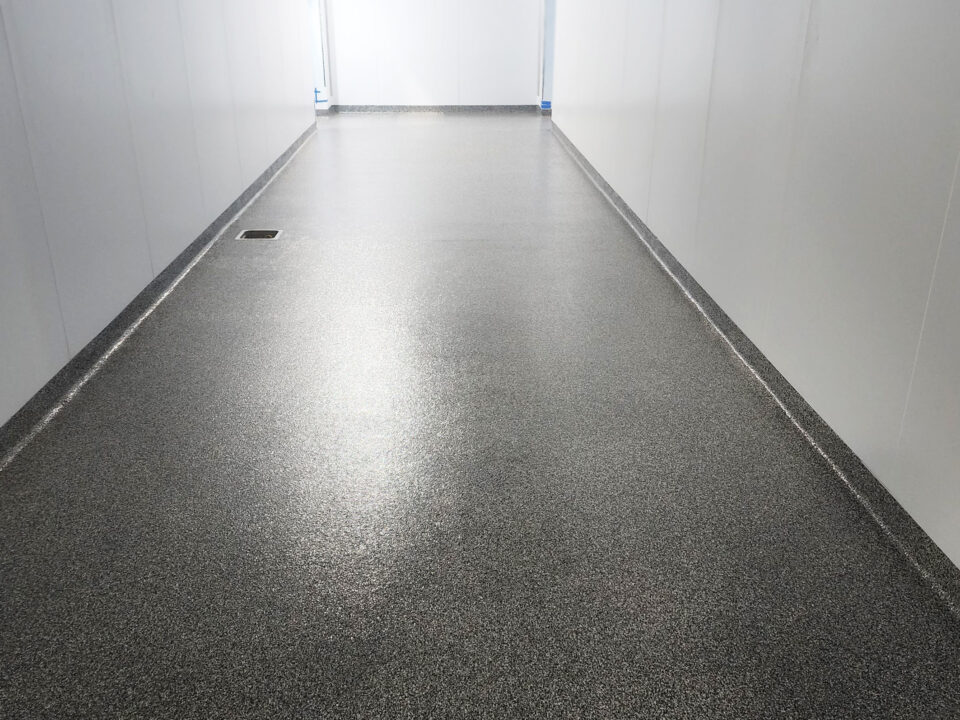
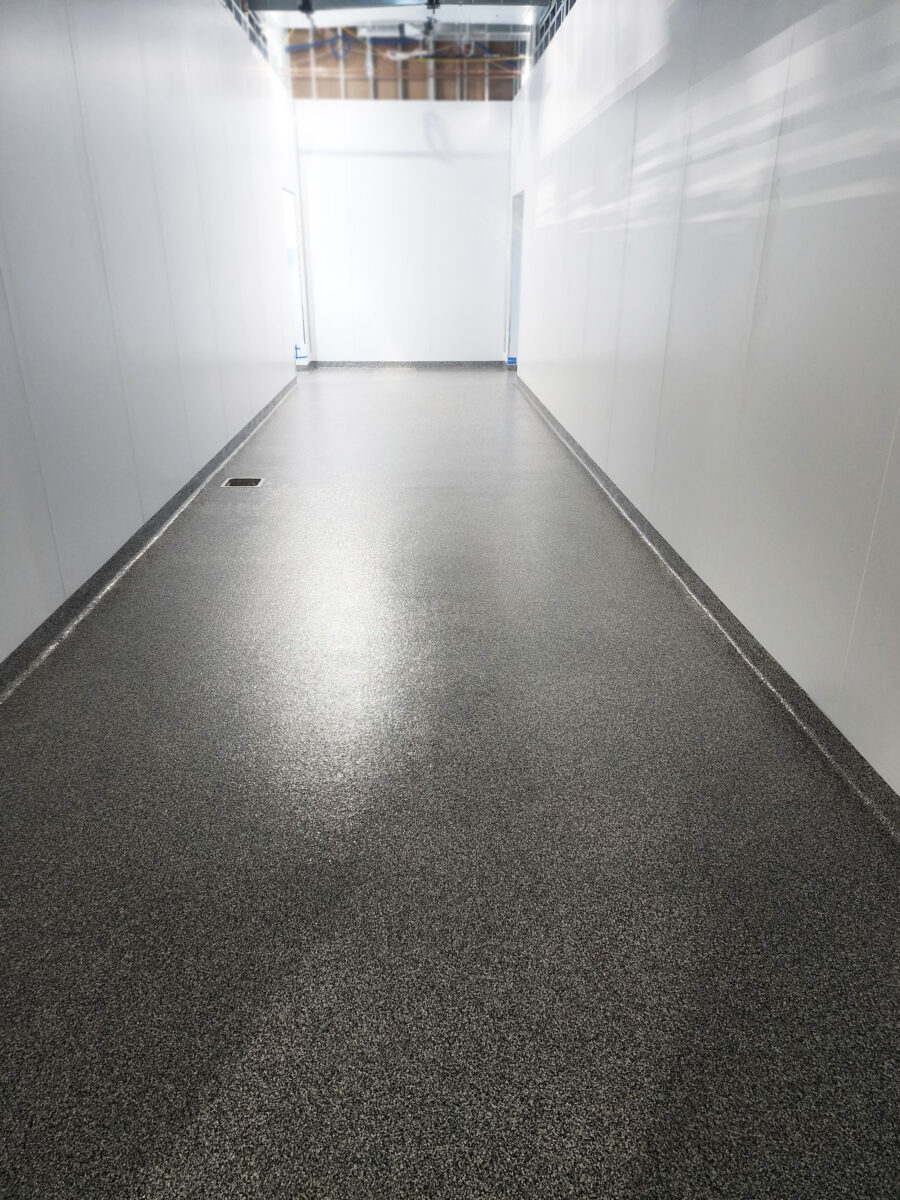
Decorative quartz and flake systems involve embedding colored chips into the floor coating to create a textured, slip-resistant surface that withstands daily wear. These systems can be customized with colors that match your brand and applied in patterns or stripes to define work areas, walkways, and safety boundaries. Common application areas include assembly lines, inspection areas, break rooms, and other areas where aesthetic appeal is just as important as worker safety.
The Latest Industrial Flooring Innovations
The primary purpose of industrial flooring may be to provide strength and surface protection, but today’s manufacturing floor solutions can do so much more. Here are some of the latest innovations that are improving efficiency and reducing unplanned downtime:
- Traffic monitoring technology: Integrated systems track forklift and foot traffic patterns to help you identify congestion points. You can use this information to rebalance workflows, reduce premature wear, and proactively recoat high-traffic zones before expensive repairs are needed.
- Wear and stress sensors: Subsurface monitoring tools collect data on impact, usage patterns, and surface degradation. This makes maintenance teams aware of issues before cracks, delamination, or failures occur.
- Spill and environmental detection: Advanced flooring systems can identify changes in temperature or moisture that may indicate liquid spills or abnormal conditions.
- IoT connectivity: The various sensors embedded within industrial flooring can be linked to your facility’s Internet of Things (IoT) network. Real-time alerts help managers respond quickly to prevent minor issues from escalating.
Get Help Choosing the Right Industrial Flooring Solutions
Selecting the right manufacturing floor solutions for your facility can be confusing, especially when load capacity, chemical resistance, safety, and technology all top your priority list. You don’t have to sort through all these variables on your own. MSC Floors works with you to evaluate your environment and narrow down the options that best support your operations. We invest heavily in our teams and our processes, so you can expect your project to stay clean and organized from start to finish. Contact us today for a free site survey in Michigan, Ohio, or Northern Indiana.
FAQs
What makes industrial epoxy flooring solutions better than standard concrete?
Industrial epoxy forms a bonded, seamless surface that resists abrasion, heavy loads, and chemical exposure far better than bare concrete.
Can industrial flooring systems be installed without shutting down operations?
Fast-curing resinous coatings can be installed with minimal downtime, but at least a partial shutdown is usually required. Your installer will work with your schedule to reduce the impact on production.
How long do heavy-duty industrial floors last?
With proper selection, preparation, installation, and maintenance, epoxy and urethane floor coatings can last decades, even under heavy use.
Are slip-resistant coatings difficult to clean?
No. When properly specified, slip-resistant finishes balance traction with cleanability. You should have no trouble removing debris and contaminants using the same cleaning equipment and methods you rely on for non-slip-resistant flooring.
Can flooring systems be customized for specific facility needs?
Yes. Resin thickness, aggregate blends, chemical-resistant topcoats, slip resistance, and color coding can all be specified to meet your facility’s load requirements, chemical exposures, safety needs, and aesthetic preferences.